

 登录
登录
二、完形填空。
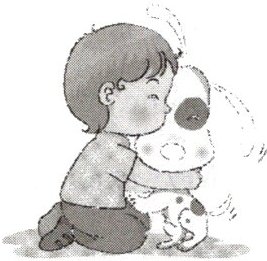
Helen is a primary school student. She always 1 to have a pet dog. But her grandma doesn't like dogs. She thinks dogs are 2. Helen says to Grandma, "I will keep the dog clean every day." 3, Grandma says yes. The next day, Helen gets her dog — Fifi.
One evening, Helen is doing her homework in her room when hearing some 4. She goes out and sees Fifi near Grandma's room. She 5 Fifi. She guesses maybe Fifi is hungry. Some minutes later, Helen hears Fifi barking(吠叫) again. "Be quiet, Fifi," she says. But Fifi doesn't 6.
Helen's father hears the sound too. Fifi is a good dog and 7 acts like that before. He thinks there's something 8. Then he finds Grandma lying on the ground 9. Then he drives her to the hospital quickly.
After Grandma gets back home, she thanks Fifi for 10 her. She says that Fifi is a smart dog!
() 1. A. hates
B. hopes
C. remembers
() 2. A. untidy
B. unhappy
C. unfriendly
() 3. A. However
B. Instead
C. Finally
() 4. A. music
B. noise
C. news
() 5. A. feeds
B. calls
C. orders
() 6. A. stop
B. notice
C. understand
() 7. A. always
B. sometimes
C. never
() 8. A. amazing
B. wrong
C. magical
() 9. A. happily
B. tiredly
C. quietly
() 10. A. following
B. saving
C. believing
Helen is a primary school student. She always 1 to have a pet dog. But her grandma doesn't like dogs. She thinks dogs are 2. Helen says to Grandma, "I will keep the dog clean every day." 3, Grandma says yes. The next day, Helen gets her dog — Fifi.
One evening, Helen is doing her homework in her room when hearing some 4. She goes out and sees Fifi near Grandma's room. She 5 Fifi. She guesses maybe Fifi is hungry. Some minutes later, Helen hears Fifi barking(吠叫) again. "Be quiet, Fifi," she says. But Fifi doesn't 6.
Helen's father hears the sound too. Fifi is a good dog and 7 acts like that before. He thinks there's something 8. Then he finds Grandma lying on the ground 9. Then he drives her to the hospital quickly.
After Grandma gets back home, she thanks Fifi for 10 her. She says that Fifi is a smart dog!
() 1. A. hates
B. hopes
C. remembers
() 2. A. untidy
B. unhappy
C. unfriendly
() 3. A. However
B. Instead
C. Finally
() 4. A. music
B. noise
C. news
() 5. A. feeds
B. calls
C. orders
() 6. A. stop
B. notice
C. understand
() 7. A. always
B. sometimes
C. never
() 8. A. amazing
B. wrong
C. magical
() 9. A. happily
B. tiredly
C. quietly
() 10. A. following
B. saving
C. believing
答案
1. **B**:根据后文“But her grandma doesn't like dogs.”可知海伦一直希望有一只宠物狗,“hope to do sth.”表示“希望做某事”,符合语境。
2. **A**:由“Helen says to Grandma, 'I will keep the dog clean every day.'”可推测奶奶觉得狗不整洁,“untidy”意为“不整洁的”。
3. **C**:前面海伦一直在说服奶奶,最后奶奶同意了,“Finally”表示“最后”。
4. **B**:从后文“hears Fifi barking(吠叫) again”可知是听到一些噪音,“noise”指“噪音”。
5. **A**:因为她猜测Fifi可能饿了,所以应该是喂它,“feed”有“喂养”的意思。
6. **A**:“Be quiet, Fifi”但Fifi没有停止吠叫,“stop”表示“停止”。
7. **C**:“Fifi is a good dog”说明它以前从不那样,“never”意为“从不”。
8. **B**:狗一直叫,爸爸觉得有问题,“something wrong”表示“有问题”。
9. **C**:奶奶躺在地上,应该是安静地,“quietly”表示“安静地”。
10. **B**:因为Fifi的叫声让爸爸发现奶奶有问题并送医,所以是救了奶奶,“save”有“拯救”的意思。
1. B 2. A 3. C 4. B 5. A 6. A 7. C 8. B 9. C 10. B
2. **A**:由“Helen says to Grandma, 'I will keep the dog clean every day.'”可推测奶奶觉得狗不整洁,“untidy”意为“不整洁的”。
3. **C**:前面海伦一直在说服奶奶,最后奶奶同意了,“Finally”表示“最后”。
4. **B**:从后文“hears Fifi barking(吠叫) again”可知是听到一些噪音,“noise”指“噪音”。
5. **A**:因为她猜测Fifi可能饿了,所以应该是喂它,“feed”有“喂养”的意思。
6. **A**:“Be quiet, Fifi”但Fifi没有停止吠叫,“stop”表示“停止”。
7. **C**:“Fifi is a good dog”说明它以前从不那样,“never”意为“从不”。
8. **B**:狗一直叫,爸爸觉得有问题,“something wrong”表示“有问题”。
9. **C**:奶奶躺在地上,应该是安静地,“quietly”表示“安静地”。
10. **B**:因为Fifi的叫声让爸爸发现奶奶有问题并送医,所以是救了奶奶,“save”有“拯救”的意思。
1. B 2. A 3. C 4. B 5. A 6. A 7. C 8. B 9. C 10. B
A
① Why do we have family rules? Because they can help children to know what is OK and what isn't OK in the family. But how can parents make good family rules? When making rules, it's good for parents to let their children join in. When parents make rules with them, children can obey them easily. Then, what are good family rules like?
② First, parents should tell their children what to do, not what not to do. For example, "Go to bed before 9:30 p.m." is good. "Don't go to bed after 9:30 p.m." isn't!
③ Second, rules should be clear(明确的) for children to follow. For example, "Eat an apple
every day." is good. "It's important to eat well." isn't.
④ Also, parents can write down the rules to help children remember them. For little children, it's good to draw pictures to help them understand the rules.
⑤ Last, sometimes parents need to change the family rules. For example, when children get older, parents should make rules about helping with housework.
() 1. How does the writer start the passage?
A. By telling a story.
B. By asking a question.
C. By giving an example.
() 2. What does the underlined word "obey" mean?
A. tell
B. make
C. follow
() 3. Which of the following is a good family rule from the passage?
A. Eat an egg every morning.
B. Don't eat too many snacks.
C. It's important to get up early.
() 4. Why is it good to draw pictures about rules sometimes?
A. Because drawing can help parents relax.
B. Because pictures can make children happy.
C. Because that makes the rules easy to understand.
() 5. What's the structure(结构) of this passage?

① Why do we have family rules? Because they can help children to know what is OK and what isn't OK in the family. But how can parents make good family rules? When making rules, it's good for parents to let their children join in. When parents make rules with them, children can obey them easily. Then, what are good family rules like?
② First, parents should tell their children what to do, not what not to do. For example, "Go to bed before 9:30 p.m." is good. "Don't go to bed after 9:30 p.m." isn't!
③ Second, rules should be clear(明确的) for children to follow. For example, "Eat an apple
every day." is good. "It's important to eat well." isn't.
④ Also, parents can write down the rules to help children remember them. For little children, it's good to draw pictures to help them understand the rules.
⑤ Last, sometimes parents need to change the family rules. For example, when children get older, parents should make rules about helping with housework.
() 1. How does the writer start the passage?
A. By telling a story.
B. By asking a question.
C. By giving an example.
() 2. What does the underlined word "obey" mean?
A. tell
B. make
C. follow
() 3. Which of the following is a good family rule from the passage?
A. Eat an egg every morning.
B. Don't eat too many snacks.
C. It's important to get up early.
() 4. Why is it good to draw pictures about rules sometimes?
A. Because drawing can help parents relax.
B. Because pictures can make children happy.
C. Because that makes the rules easy to understand.
() 5. What's the structure(结构) of this passage?
答案
1. B
2. C
3. A
4. C
5. B
2. C
3. A
4. C
5. B
