

 登录
登录
专题拓展二 The 24 Solar Terms of China
“二十四节气”作为中华民族悠久历史文化的重要组成部分,承载着深厚的文化内涵与丰富的历史积淀。你了解这些节气的名称、气候特点、传统习俗吗?阅读下面的素材,并选择你熟知的一个节气,试着用英语简单介绍一下它吧。
立春:Start of Spring
雨水:Rain Water
惊蛰:Awakening of Insects
春分:Spring Equinox
清明:Pure Brightness
谷雨:Grain Rain
立秋:Start of Autumn
处暑:End of Heat
白露:White Dew
秋分:Autumn Equinox
寒露:Cold Dew
霜降:Frost's Descent
立夏:Start of Summer
小满:Grain Buds
芒种:Grain in Ear
夏至:Summer Solstice
小暑:Minor Heat
大暑:Major Heat
立冬:Start of Winter
小雪:Minor Snow
大雪:Major Snow
冬至:Winter Solstice
小寒:Minor Cold
大寒:Major Cold
Start of Winter
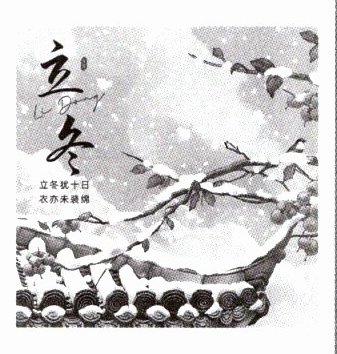
It comes around 7 or 8 November every year. The weather gets colder. The days become shorter. Leaves on the trees may fall, and animals start to prepare for the long cold winter. There are some customs around it. First, nourishing the winter(补冬). People often eat high-calorie(高热量的) food such as duck, mutton to prepare for the coming cold winter. In many places, people will eat dumplings. It is said that eating dumplings can keep people's ears from getting frostbitten(冻伤) in the cold winter.
“二十四节气”作为中华民族悠久历史文化的重要组成部分,承载着深厚的文化内涵与丰富的历史积淀。你了解这些节气的名称、气候特点、传统习俗吗?阅读下面的素材,并选择你熟知的一个节气,试着用英语简单介绍一下它吧。
立春:Start of Spring
雨水:Rain Water
惊蛰:Awakening of Insects
春分:Spring Equinox
清明:Pure Brightness
谷雨:Grain Rain
立秋:Start of Autumn
处暑:End of Heat
白露:White Dew
秋分:Autumn Equinox
寒露:Cold Dew
霜降:Frost's Descent
立夏:Start of Summer
小满:Grain Buds
芒种:Grain in Ear
夏至:Summer Solstice
小暑:Minor Heat
大暑:Major Heat
立冬:Start of Winter
小雪:Minor Snow
大雪:Major Snow
冬至:Winter Solstice
小寒:Minor Cold
大寒:Major Cold
Start of Winter
It comes around 7 or 8 November every year. The weather gets colder. The days become shorter. Leaves on the trees may fall, and animals start to prepare for the long cold winter. There are some customs around it. First, nourishing the winter(补冬). People often eat high-calorie(高热量的) food such as duck, mutton to prepare for the coming cold winter. In many places, people will eat dumplings. It is said that eating dumplings can keep people's ears from getting frostbitten(冻伤) in the cold winter.
答案
参考示例:
My favourite solar term is Pure Brightness. It usually comes around April 4 or 5 every year. The weather becomes warm at this time, and the nature turns very beautiful: trees turn green, all kinds of flowers come out, and the air is very fresh. On this day, many people will go to sweep tombs to remember their dead family members. It is also a great time for families to go spring outing to enjoy the warm sunshine and nice views outside.
My favourite solar term is Pure Brightness. It usually comes around April 4 or 5 every year. The weather becomes warm at this time, and the nature turns very beautiful: trees turn green, all kinds of flowers come out, and the air is very fresh. On this day, many people will go to sweep tombs to remember their dead family members. It is also a great time for families to go spring outing to enjoy the warm sunshine and nice views outside.
解析
这是一道开放性英语小写作题,写作时可以参考题干给出的立冬介绍范例,选择自己熟悉的节气,按照「点明节气名称与对应时间→描述该节气的气候、物候特点→介绍相关的传统习俗」的逻辑来创作,使用七年级已掌握的简单词汇和基础句式即可,保证表意清晰准确。这里选取大众熟知的清明(Pure Brightness)作为示例完成介绍。
