

 登录
登录
时文阅读—讲好中国故事
儒家思想:仁、义、礼、智、信
Confucianism(儒家思想) has been followed by Chinese people for more than two thousand years.
To help people understand how to behave towards others, Confucianism teaches the Five Constant Virtues (五常). They are ren, yi, li, zhi and xin. They are general virtues around the world. The most important two are ren and li.
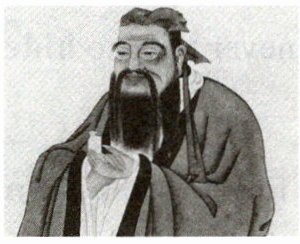
Ren is the feeling of care and love we should have for others. Confucius said that ren could best be understood as loving others. He is famous for teaching people “What you do not want done to yourself, do not do to others.” It is quite similar to what is known in the West as the Golden Rule (treat others as you wish to be treated).
While ren is mostly about our opinions and feelings, li is about how we express our opinions and feelings towards others and the world around us. In Confucian writings, discussions about li include the proper way to drink tea and how to remember ancestors.
Word Bank
virtue /ˈvɜːtʃuː/ n. 美德
similar /ˈsɪmələ(r)/ adj. 类似的
opinion /əˈpɪnjən/ n. 意见;观点
express /ɪkˈspres/ v. 表达;表示
proper /ˈprɒpə(r)/ adj. 适当的;正确的
ancestor /ˈænsestə(r)/ n. 祖先
阅读短文,选择正确答案
(
A. Ren and yi. B. Ren and li. C. Li and xin. D. Yi and zhi.
(
A. 博学于文,约之以礼。 B. 学而不思则罔,思而不学则殆。
C. 己所不欲,勿施于人。 D. 君子和而不同,小人同而不和。
(
A. Building a house.
B. Taking care of one’s children.
C. Obeying (遵守) rules for drinking tea.
D. Learning all through one’s life.
(
A. Its general virtues. B. Its long history.
C. Its new challenges. D. Its changes.
儒家思想:仁、义、礼、智、信
Confucianism(儒家思想) has been followed by Chinese people for more than two thousand years.
To help people understand how to behave towards others, Confucianism teaches the Five Constant Virtues (五常). They are ren, yi, li, zhi and xin. They are general virtues around the world. The most important two are ren and li.
Ren is the feeling of care and love we should have for others. Confucius said that ren could best be understood as loving others. He is famous for teaching people “What you do not want done to yourself, do not do to others.” It is quite similar to what is known in the West as the Golden Rule (treat others as you wish to be treated).
While ren is mostly about our opinions and feelings, li is about how we express our opinions and feelings towards others and the world around us. In Confucian writings, discussions about li include the proper way to drink tea and how to remember ancestors.
Word Bank
virtue /ˈvɜːtʃuː/ n. 美德
similar /ˈsɪmələ(r)/ adj. 类似的
opinion /əˈpɪnjən/ n. 意见;观点
express /ɪkˈspres/ v. 表达;表示
proper /ˈprɒpə(r)/ adj. 适当的;正确的
ancestor /ˈænsestə(r)/ n. 祖先
阅读短文,选择正确答案
(
B
)1. Which is the most important of the Five Constant Virtues?A. Ren and yi. B. Ren and li. C. Li and xin. D. Yi and zhi.
(
C
)2. 跨学科+语文 What is the Chinese meaning of the underlined sentence in Paragraph 3?A. 博学于文,约之以礼。 B. 学而不思则罔,思而不学则殆。
C. 己所不欲,勿施于人。 D. 君子和而不同,小人同而不和。
(
C
)3. Which of the following is an example of li?A. Building a house.
B. Taking care of one’s children.
C. Obeying (遵守) rules for drinking tea.
D. Learning all through one’s life.
(
A
)4. What does the passage mainly tell us about Confucianism?A. Its general virtues. B. Its long history.
C. Its new challenges. D. Its changes.
答案
1.B 2.C 3.C 4.A
【主旨大意】本文主要介绍了儒家思想及五常:仁、义、礼、智、信。文章重点阐述了仁和礼这两个最重要的美德,解释了它们在儒家文化中的意义和应用。
1. B 【点拨】细节理解题。根据“They are ren, yi, li, zhi and xin. They are general virtues around the world. The most important two are ren and li.”可知,仁和礼是五常中最重要的。故选B。
2. C 【点拨】句意猜测题。根据“treat others as you wish to be treated”可知,画线句子和“按照你希望被对待的方式对待他人”意思相近,即“己所不欲,勿施于人”。故选C。
3. C 【点拨】推理判断题。根据“In Confucian writings, discussions about li include the proper way to drink tea and how to remember ancestors.”可知,在儒家典籍中,关于礼的讨论包括正确的喝茶方式和如何缅怀祖先。故选C。
4. A 【点拨】主旨大意题。根据“Confucianism teaches the Five Constant Virtues (五常). They are ren, yi, li, zhi and xin. They are general virtues around the world.”及全文可知,本文主要介绍了儒家思想的普遍美德。故选A。
【主旨大意】本文主要介绍了儒家思想及五常:仁、义、礼、智、信。文章重点阐述了仁和礼这两个最重要的美德,解释了它们在儒家文化中的意义和应用。
1. B 【点拨】细节理解题。根据“They are ren, yi, li, zhi and xin. They are general virtues around the world. The most important two are ren and li.”可知,仁和礼是五常中最重要的。故选B。
2. C 【点拨】句意猜测题。根据“treat others as you wish to be treated”可知,画线句子和“按照你希望被对待的方式对待他人”意思相近,即“己所不欲,勿施于人”。故选C。
3. C 【点拨】推理判断题。根据“In Confucian writings, discussions about li include the proper way to drink tea and how to remember ancestors.”可知,在儒家典籍中,关于礼的讨论包括正确的喝茶方式和如何缅怀祖先。故选C。
4. A 【点拨】主旨大意题。根据“Confucianism teaches the Five Constant Virtues (五常). They are ren, yi, li, zhi and xin. They are general virtues around the world.”及全文可知,本文主要介绍了儒家思想的普遍美德。故选A。
解析
【分析】本题为英语阅读理解题,结合儒家文化知识设置4道题目,分别考查细节理解、句意猜测、推理判断和主旨大意。解题思路:首先通读全文,明确文章核心是介绍儒家五常(仁、义、礼、智、信),重点关注“仁”和“礼”的相关内容;然后针对每道题的题干,回到原文定位对应信息,结合选项逐一排除错误选项,选出正确答案。
【解析】
1. 细节理解题:根据原文第一段最后一句“The most important two are ren and li.”可知,五常中最重要的是仁和礼,对应选项B。
2. 句意猜测题:原文画线句对应西方“黄金法则(treat others as you wish to be treated)”,中文含义为“己所不欲,勿施于人”,对应选项C。
3. 推理判断题:根据原文最后一段“In Confucian writings, discussions about li include the proper way to drink tea and how to remember ancestors.”可知,礼的例子包括正确的喝茶方式,对应选项C。
4. 主旨大意题:全文围绕儒家思想的五种普遍美德(五常)展开,重点介绍了仁和礼,对应选项A。
【答案】1.B 2.C 3.C 4.A
【知识点】英语阅读理解、儒家文化常识
【点评】本题结合英语阅读与语文儒家文化知识,跨学科性较强,考查学生的信息定位、句意理解及主旨概括能力,需要学生具备一定的文化常识积累。
【难度系数】0.6
【解析】
1. 细节理解题:根据原文第一段最后一句“The most important two are ren and li.”可知,五常中最重要的是仁和礼,对应选项B。
2. 句意猜测题:原文画线句对应西方“黄金法则(treat others as you wish to be treated)”,中文含义为“己所不欲,勿施于人”,对应选项C。
3. 推理判断题:根据原文最后一段“In Confucian writings, discussions about li include the proper way to drink tea and how to remember ancestors.”可知,礼的例子包括正确的喝茶方式,对应选项C。
4. 主旨大意题:全文围绕儒家思想的五种普遍美德(五常)展开,重点介绍了仁和礼,对应选项A。
【答案】1.B 2.C 3.C 4.A
【知识点】英语阅读理解、儒家文化常识
【点评】本题结合英语阅读与语文儒家文化知识,跨学科性较强,考查学生的信息定位、句意理解及主旨概括能力,需要学生具备一定的文化常识积累。
【难度系数】0.6
