

 登录
四、阅读理解。
主题群:科学与技术
子主题:科技创新
语篇类型:说明文
难度:★★★
[2026 天津]Scientists are creating robots that can be used in many different areas of life. Recently a new kind of robot which looks like a penguin has been developed. The penguin robot helps scientists get closer to emperor penguins(帝企鹅) to know more about their behaviour(行为).
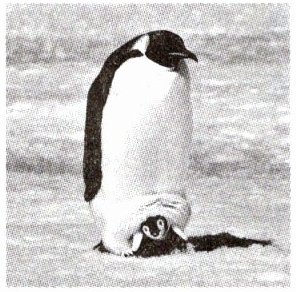
Emperor penguins are famous as shy animals. They usually feel nervous and run away when scientists go towards them. This will cause problems for their hearts. To solve it, a team of scientists created a remote control vehicle(遥控车). This vehicle allowed the scientists to study the penguins from over 200 metres away. It could move up to the penguins slowly and quietly without making them run away. It was also used to help make the documentary(纪录片) March of the Penguins.
The scientists still wanted to watch emperor penguins much closer. After trying many times, they developed their latest robot which was like a little grey penguin. It had four black wheels, two black arms and a black-and-white painted face. The wheels were prepared for the robot to walk on the thick snow easily. This new robot didn't scare(惊吓) the penguins. They even sang songs to welcome the robot and listened for a response. But the penguins were very unhappy when there was no answer. The scientists didn't programme(预设) the penguin robot to make a sound. Next time they will have the robot sing songs.
Thanks to the robots, scientists could do much more research on emperor penguins.
1. Why was the penguin robot developed?
A. To know about scientists' heart problems.
B. To help scientists walk on the thick snow.
C. To learn about emperor penguins' behaviour.
D. To help emperor penguins look for more food.
2. How do emperor penguins feel when scientists go towards them?
A. Sad.
B. Angry.
C. Excited.
D. Nervous.
3. What does the word "response" in Paragraph 3 mean?
A. Plan.
B. Answer.
C. Lesson.
D. Reason.
4. What will the penguin robot do next time according to the passage?
A. Sing songs.
B. Swim in the sea.
C. Take photos.
D. Dance on the snow.
5. What is the passage mainly about?
A. Penguins in the film.
B. Penguins in the zoo.
C. Robots for daily housework.
D. Robots for studying penguins.
主题群:科学与技术
子主题:科技创新
语篇类型:说明文
难度:★★★
[2026 天津]Scientists are creating robots that can be used in many different areas of life. Recently a new kind of robot which looks like a penguin has been developed. The penguin robot helps scientists get closer to emperor penguins(帝企鹅) to know more about their behaviour(行为).
Emperor penguins are famous as shy animals. They usually feel nervous and run away when scientists go towards them. This will cause problems for their hearts. To solve it, a team of scientists created a remote control vehicle(遥控车). This vehicle allowed the scientists to study the penguins from over 200 metres away. It could move up to the penguins slowly and quietly without making them run away. It was also used to help make the documentary(纪录片) March of the Penguins.
The scientists still wanted to watch emperor penguins much closer. After trying many times, they developed their latest robot which was like a little grey penguin. It had four black wheels, two black arms and a black-and-white painted face. The wheels were prepared for the robot to walk on the thick snow easily. This new robot didn't scare(惊吓) the penguins. They even sang songs to welcome the robot and listened for a response. But the penguins were very unhappy when there was no answer. The scientists didn't programme(预设) the penguin robot to make a sound. Next time they will have the robot sing songs.
Thanks to the robots, scientists could do much more research on emperor penguins.
1. Why was the penguin robot developed?
A. To know about scientists' heart problems.
B. To help scientists walk on the thick snow.
C. To learn about emperor penguins' behaviour.
D. To help emperor penguins look for more food.
2. How do emperor penguins feel when scientists go towards them?
A. Sad.
B. Angry.
C. Excited.
D. Nervous.
3. What does the word "response" in Paragraph 3 mean?
A. Plan.
B. Answer.
C. Lesson.
D. Reason.
4. What will the penguin robot do next time according to the passage?
A. Sing songs.
B. Swim in the sea.
C. Take photos.
D. Dance on the snow.
5. What is the passage mainly about?
A. Penguins in the film.
B. Penguins in the zoo.
C. Robots for daily housework.
D. Robots for studying penguins.
答案
1. C 细节理解题。根据第一段中“The penguin robot helps scientists get closer to emperor penguins to know more about their behaviour.”可知,研发企鹅机器人的目的是近距离观察、了解帝企鹅的行为。
2. D 细节理解题。根据第二段中“They usually feel nervous and run away when scientists go towards them.”可知,当科学家靠近时,帝企鹅会感到紧张并逃跑。
3. B 词义猜测题。根据第三段中“They even sang songs to welcome the robot and listened for a response. But the penguins were very unhappy when there was no answer.”可知,answer 是同义词,response 意为“回应,答复”。
方法归纳
阅读理解之词义猜测题
利用上下文语境、同义反义、因果关系、举例解释等线索,结合构词法,排除字面干扰,推断词句含义。同时也要代入验证,贴合主旨与语境。根据关键词 no answer 可知,此处 response 表示“回答,回应”。
4. A 细节理解题。根据第三段中“Next time they will have the robot sing songs.”可知,科学家下一步会让机器人唱歌。
5. D 主旨大意题。全文围绕用来研究帝企鹅的两款机器人展开,讲述研发原因、外形、使用效果和升级计划。选项 D 能够概括全文。
