

 登录
五、核心素养 中华优秀传统文化 根据首字母提示补全短文。
主题群:历史、社会与文化
子主题:文化传承
语篇类型:说明文
难度:★★
[2026 南通市如皋市期末]You may think you cannot live through summer without air conditioners(空调). But in ancient China, hand fans were almost the 1. o
In the shape of a full moon, *tuanshan* were usually made of silk with beautiful embroidery(刺绣). Women, 4. e
When it came to men of letters in ancient times, they 7. p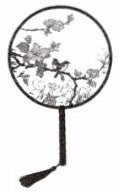 known as folding fans. *Zheshan* were usually made of paper and the literati(文人) could paint and write poems on them. For them, it was a good 8. c
Today, Chinese people still use these fans, but not many people write or paint on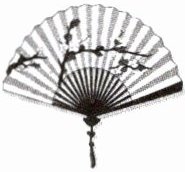 them any more. People are wondering 10. w
主题群:历史、社会与文化
子主题:文化传承
语篇类型:说明文
难度:★★
[2026 南通市如皋市期末]You may think you cannot live through summer without air conditioners(空调). But in ancient China, hand fans were almost the 1. o
only
way for people to drive the heat away. Chinese people started to use hand fans over 2,000 years ago. The fans came in different shapes, such as round and 2. ssquare
. They were also made of different materials. Palm leaf fans(蒲扇) were cheap and easy to make, while feather fans stood for high status. Sandalwood fans could send out a sweet smell. Later, hand fans were far more than cooling tools. They developed into fine art pieces, and *tuanshan* and *zheshan* became the most 3. ccommon
types.In the shape of a full moon, *tuanshan* were usually made of silk with beautiful embroidery(刺绣). Women, 4. e
especially
those in the imperial(皇家的) palace, loved them. Many poets in ancient China used *tuanshan* to 5. ddescribe
women's unlucky lives. Nalan Xingde wrote during the Qing Dynasty, "If only life were as beautiful as when we first met, why should the autumn wind bother to pity deserted painted fans(人生若只如初见,何事秋风悲画扇)?" These lines have 6. mmoved
countless readers over centuries.When it came to men of letters in ancient times, they 7. p
preferred
*zheshan*, also known as folding fans. *Zheshan* were usually made of paper and the literati(文人) could paint and write poems on them. For them, it was a good 8. cchance
to show off their ability in literature, painting and calligraphy. These art fans enjoyed great popularity back then. Almost 9. aanything
could be painted on *zheshan*, but the most popular ones usually featured landscapes.Today, Chinese people still use these fans, but not many people write or paint on
them any more. People are wondering 10. wwhether
these ancient crafts can keep their value in the future. The key to protecting this cultural heritage is to learn its history and remember that every fan holds a story worth exploring.答案
1. only
2. square
3. common
4. especially
5. describe
6. moved
7. preferred
8. chance
9. anything
10. whether
六、完形填空。
主题群:社会服务与人际沟通
子主题:志愿服务
语篇类型:记叙文
难度:★★★
Charity is not just about giving money. It is a warm light that 1 the lives of others. Many people think that only rich people can do charity work, but this is not 2. Everyone is able to make a difference with small acts of 3.
Maria is a middle school student. She lives in a small village. Some kids in her village 4 from poor living conditions. They don't have enough money to 5 new books or school things. When Maria found this, she decided to do something to help them. She 6 leaflets(传单) around her school and called on her classmates to donate their used books and stationery.
Soon, lots of supplies were collected. These things were 7 to the village children every weekend. At first, some kids felt shy. 8 Maria told them that being helped was nothing to feel bad about, and that they could also learn to help others when they grew up. Slowly, they became confident and were 9 to the kind students.
Later, Maria set up a small charity group. More and more teenagers were invited to join it. They not only gave away school things, but also visited lonely elderly people in the neighbourhood. The old people were 10 glad when they came. Sometimes, stories and experiences were shared 11 the young volunteers and the elders.
"Charity means caring for people around us," Maria said. "We don't need great power or much money. 12 really matters(重要) is our love and care. Many problems in the world are solved because of the work of volunteers. We hope more people will realize that small 13 can change the world."
Now the group keeps working all the time. They believe that as long as 14 shares warmth, the whole world will be filled with sunshine. No matter how 15 we are, we can play a part in making the world a better place.
1. A. darkens
B. brightens
C. troubles
D. divides
2. A. wrong
B. easy
C. true
D. strange
3. A. courage
B. luck
C. spirit
D. kindness
4. A. suffer
B. protect
C. learn
D. escape
5. A. give
B. buy
C. return
D. carry
6. A. looked out
B. put out
C. handed out
D. took out
7. A. lent
B. known
C. used
D. sent
8. A. So
B. Or
C. But
D. Because
9. A. strict
B. thankful
C. angry
D. rude
10. A. never
B. seldom
C. sometimes
D. always
11. A. among
B. between
C. with
D. about
12. A. It
B. That
C. What
D. Who
13. A. efforts
B. activities
C. hopes
D. stories
14. A. someone
B. anyone
C. no one
D. everyone
15. A. busy
B. popular
C. powerful
D. common
答案
1. B 前文把慈善比作暖光,brighten表示“点亮”,符合语境。
2. C 许多人认为只有富人才能做慈善工作,这是不对的,true符合语境。
3. D 全文围绕行善、传递善意展开,kindness贴合慈善的核心内涵。
4. A 后文写孩子们没有足够的钱购置学习用品,此处表示贫困的生活条件让他们承受难处,suffer from表示“遭受”,符合语境。
5. B 他们没钱买学习物资,buy符合语境。
6. C 她派发传单号召同学们募捐,此处用handed out。
7. D 物品是被派送的对象,sent符合语境。
8. C 前后两句存在转折关系,But符合逻辑。
方法归纳
完形填空之逻辑关系
完形填空的逻辑关系题,需关注转折关系(but/however,前后意思相反)、因果关系(because/so,前后是原因和结果)、并列递进(and/also,前后一致或加深)、举例解释(for example/in fact,后文解释前文)。开始的时候孩子们觉得害羞(负面情绪,不愿意接受帮助),后面Maria开导他们,告诉他们不必为此难为情。前后观点对比转折。结合叙事逻辑:先描述孩子的状态,再引出Maria相反的看法,优先用But。
9. B 孩子们收到他人捐赠的物资,内心应当心怀感恩,thankful贴合人物心情。
10. D 独居老人缺少陪伴,志愿者前来探望会让老人一直感到喜悦,always符合语境。
11. B between用于两者之间,此处指代志愿者、老人两类人群。
12. C What引导主语从句,且在从句中作主语。
13. A 全文讲述普通人一点一滴行善付出,efforts指代行善过程中的努力,符合语境。
14. D 文章呼吁所有人参与行善,everyone指代全体人群,符合号召全民行善的立意。
15. D 前文提出行善不需要权势与财富,平凡普通人也可以做慈善,common符合语境。
