

 登录
登录
D
Imagine a place where the sun rises in October and goes down in March. One day is six months of bright, but cold sunlight. Fourteen million square miles of ice cover this land. This is Antarctica(南极洲), the coldest, emptiest place on earth. It's not the kind of place you dream of visiting—unless you are travel writer Andrew Evans.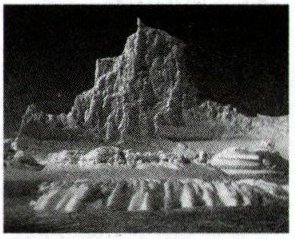
Evans grew up reading about great explorers. His goal was to be a 21st-century explorer. One day he woke up at five o'clock in the morning with an idea. "That's it. I'll take a bus to Antarctica." In addition, he planned to share the adventure with his followers on Twitter. "I want to write the story as it is happening." On New Year's Day, he set off from Washington, D. C. His journey of 10,000 miles (16,093 kilometres) began.
Evans travelled light. His cellphone was the most essential item. He needed his phone to send tweets to his followers and to update his blog on the internet. It was going to be a challenge to get cell service in all the countries. He also wasn't sure if he could get online everywhere. Luckily, his phone worked well, and he could usually connect to the internet. During the journey, he sent over 5,000 tweets to his 10,000 followers.
After three days on a bus travelling across the United States, Evans crossed into Mexico. Forty-eight hours and several buses later, he was in Guatemala. Here his journey slowed down. "Guatemalan buses are colourful and full of chickens," he tweeted to his followers, but the roads were often rough. He was amazed that it only cost him 6.50 to cross the whole country. "D. C. taxi drivers, please take notes," he tweeted. When he left Guatemala, he started to travel more quickly.
The last part of his journey was difficult and, at times, dangerous. It was the rainy season. Roads were muddy, especially in Bolivia. The buses often got stuck. "The driver made us all push the bus," Evans explained. "I got very good at pushing." On his last bus ride in Argentina, he faced his most frightening moment. The bus was on a ferry crossing the Strait of Magellan. There was a storm. Waves crashed over the side of the ferry and hit the bus. People were crying. They were terrified. "I'm about to die," he tweeted. Luckily, the ferry, the bus, and Evans arrived safely.
Forty days after his journey began and 40 buses later, Evans stood in Tierra del Fuego. This is where South America ends. Only the ocean and Antarctica were ahead. He got on a boat. Two days later, he achieved his dream. He arrived at Antarctica. "It's like being on another planet," he said. Like the explorers of the past, Evans made it to the end of the world. Unlike past explorers, he made it by bus, tweeting all the way.
( )36. What makes Evans' journey to Antarctica different from traditional exploration?
A. He discovered a different route.
B. He used only airplanes for transport.
C. He continuously shared his trip online.
D. He travelled with a team of great explorers.
( )37. Why did Evans mention "colourful buses full of chickens" in Guatemala in Paragraph 4?
A. To describe the special character of transport.
B. To show the cheap taxi service in this country.
C. To warn other travellers about dangerous animals.
D. To complain about uncomfortable travel conditions.
( )38. Which statement is TRUE according to the last two paragraphs?
A. The storm was so bad that Evans thought he might die.
B. When he got to Tierra del Fuego, he got on his last bus.
C. Pushing the bus in Bolivia was Evans' scariest moment.
D. The ferry across the Strait of Magellan took him all the way to Antarctica.
( )39. How did Evans feel when he finally arrived in Antarctica?
A. Afraid. B. Stressed. C. Amazed. D. Energetic.
( )40. Which of the following sayings is suitable for describing Evans' unforgettable adventure?
A. A miss is as good as a mile. B. It is never too old to learn.
C. Many hands make light work. D. Where there is a will, there is a way.
Imagine a place where the sun rises in October and goes down in March. One day is six months of bright, but cold sunlight. Fourteen million square miles of ice cover this land. This is Antarctica(南极洲), the coldest, emptiest place on earth. It's not the kind of place you dream of visiting—unless you are travel writer Andrew Evans.
Evans grew up reading about great explorers. His goal was to be a 21st-century explorer. One day he woke up at five o'clock in the morning with an idea. "That's it. I'll take a bus to Antarctica." In addition, he planned to share the adventure with his followers on Twitter. "I want to write the story as it is happening." On New Year's Day, he set off from Washington, D. C. His journey of 10,000 miles (16,093 kilometres) began.
Evans travelled light. His cellphone was the most essential item. He needed his phone to send tweets to his followers and to update his blog on the internet. It was going to be a challenge to get cell service in all the countries. He also wasn't sure if he could get online everywhere. Luckily, his phone worked well, and he could usually connect to the internet. During the journey, he sent over 5,000 tweets to his 10,000 followers.
After three days on a bus travelling across the United States, Evans crossed into Mexico. Forty-eight hours and several buses later, he was in Guatemala. Here his journey slowed down. "Guatemalan buses are colourful and full of chickens," he tweeted to his followers, but the roads were often rough. He was amazed that it only cost him 6.50 to cross the whole country. "D. C. taxi drivers, please take notes," he tweeted. When he left Guatemala, he started to travel more quickly.
The last part of his journey was difficult and, at times, dangerous. It was the rainy season. Roads were muddy, especially in Bolivia. The buses often got stuck. "The driver made us all push the bus," Evans explained. "I got very good at pushing." On his last bus ride in Argentina, he faced his most frightening moment. The bus was on a ferry crossing the Strait of Magellan. There was a storm. Waves crashed over the side of the ferry and hit the bus. People were crying. They were terrified. "I'm about to die," he tweeted. Luckily, the ferry, the bus, and Evans arrived safely.
Forty days after his journey began and 40 buses later, Evans stood in Tierra del Fuego. This is where South America ends. Only the ocean and Antarctica were ahead. He got on a boat. Two days later, he achieved his dream. He arrived at Antarctica. "It's like being on another planet," he said. Like the explorers of the past, Evans made it to the end of the world. Unlike past explorers, he made it by bus, tweeting all the way.
( )36. What makes Evans' journey to Antarctica different from traditional exploration?
A. He discovered a different route.
B. He used only airplanes for transport.
C. He continuously shared his trip online.
D. He travelled with a team of great explorers.
( )37. Why did Evans mention "colourful buses full of chickens" in Guatemala in Paragraph 4?
A. To describe the special character of transport.
B. To show the cheap taxi service in this country.
C. To warn other travellers about dangerous animals.
D. To complain about uncomfortable travel conditions.
( )38. Which statement is TRUE according to the last two paragraphs?
A. The storm was so bad that Evans thought he might die.
B. When he got to Tierra del Fuego, he got on his last bus.
C. Pushing the bus in Bolivia was Evans' scariest moment.
D. The ferry across the Strait of Magellan took him all the way to Antarctica.
( )39. How did Evans feel when he finally arrived in Antarctica?
A. Afraid. B. Stressed. C. Amazed. D. Energetic.
( )40. Which of the following sayings is suitable for describing Evans' unforgettable adventure?
A. A miss is as good as a mile. B. It is never too old to learn.
C. Many hands make light work. D. Where there is a will, there is a way.
答案
36-40 CAACD
解析
【分析】
这是一篇关于Andrew Evans前往南极旅行的记叙文,5道题均为细节理解或推理判断题,需结合原文定位关键信息逐一分析:
36题:对比传统探险的不同点,需找到原文中体现Evans独特之处的表述;
37题:分析危地马拉巴士描述的作用,结合上下文语境判断;
38题:逐一核对最后两段各选项与原文的匹配度;
39题:定位Evans到达南极后的感受描述;
40题:结合Evans实现梦想的过程匹配合适的谚语。
【解析】
36题:根据原文最后一段“Unlike past explorers, he made it by bus, tweeting all the way”,可知Evans与传统探险的不同在于全程在网上分享旅行,故选C;
37题:第4段中Evans发推文描述危地马拉的巴士“colourful and full of chickens”,是为了描述当地交通的特殊特点,故选A;
38题:A选项对应原文第5段“I'm about to die,” he tweeted,表述正确;B选项,Evans到Tierra del Fuego后乘坐的是船而非最后巴士,错误;C选项,Evans最害怕的是阿根廷渡轮的风暴,不是推车,错误;D选项,渡轮未直接到南极,是到火地岛后再乘船,错误,故选A;
39题:原文最后一段Evans说“It's like being on another planet”,体现他到达南极时的惊讶,故选C;
40题:Evans从计划到实现前往南极的梦想,符合“有志者事竟成”的谚语,故选D。
【答案】
CAACD
【知识点】
阅读理解(细节理解)、阅读理解(推理判断)
【点评】
本文通过讲述Andrew Evans乘巴士前往南极并全程在线分享的冒险故事,考查学生对文章细节的定位和理解能力,题目难度适中,需准确提取原文关键信息作答。
【难度系数】
0.7
这是一篇关于Andrew Evans前往南极旅行的记叙文,5道题均为细节理解或推理判断题,需结合原文定位关键信息逐一分析:
36题:对比传统探险的不同点,需找到原文中体现Evans独特之处的表述;
37题:分析危地马拉巴士描述的作用,结合上下文语境判断;
38题:逐一核对最后两段各选项与原文的匹配度;
39题:定位Evans到达南极后的感受描述;
40题:结合Evans实现梦想的过程匹配合适的谚语。
【解析】
36题:根据原文最后一段“Unlike past explorers, he made it by bus, tweeting all the way”,可知Evans与传统探险的不同在于全程在网上分享旅行,故选C;
37题:第4段中Evans发推文描述危地马拉的巴士“colourful and full of chickens”,是为了描述当地交通的特殊特点,故选A;
38题:A选项对应原文第5段“I'm about to die,” he tweeted,表述正确;B选项,Evans到Tierra del Fuego后乘坐的是船而非最后巴士,错误;C选项,Evans最害怕的是阿根廷渡轮的风暴,不是推车,错误;D选项,渡轮未直接到南极,是到火地岛后再乘船,错误,故选A;
39题:原文最后一段Evans说“It's like being on another planet”,体现他到达南极时的惊讶,故选C;
40题:Evans从计划到实现前往南极的梦想,符合“有志者事竟成”的谚语,故选D。
【答案】
CAACD
【知识点】
阅读理解(细节理解)、阅读理解(推理判断)
【点评】
本文通过讲述Andrew Evans乘巴士前往南极并全程在线分享的冒险故事,考查学生对文章细节的定位和理解能力,题目难度适中,需准确提取原文关键信息作答。
【难度系数】
0.7
