

 登录
登录
三、信息还原(七选五)
(传统文化) Have you ever noticed Jingtailan in your daily life or seen it in a museum?
1.
The process of making Jingtailan is quite complex. 2.
Two young artists, Li Jinglong and Guan Dian, accidentally fell in love with this traditional art form. They wanted to share its beauty with more people. 4.
The workshop has become popular among many people. 5.
A. Usually, it needs many steps.
B. So they opened a workshop called Handcraft Addicted.
C. This cultural experience is now enjoyed by more and more people.
D. Many famous artists fell in love with this traditional art form too.
E. Jingtailan is a traditional handcraft with colourful designs on metal.
F. In the past, emperors and their families liked Jingtailan pieces a lot.
G. However, in a workshop in Beijing, you can experience the process.
(传统文化) Have you ever noticed Jingtailan in your daily life or seen it in a museum?
1.
E
It is famous for its beautiful deep blue colour, which often serves as the background. It became especially popular during the rule of Emperor Jingtai in the Ming Dynasty.The process of making Jingtailan is quite complex. 2.
A
First, artists create a metal base, usually made of copper. Then, they carefully bend thin metal wires to form beautiful patterns on the surface. After that, they fill the spaces between the wires with colourful mineral powders. Finally, the piece goes through a high-temperature firing process. These special techniques might seem far away from our modern lives. 3. G
Two young artists, Li Jinglong and Guan Dian, accidentally fell in love with this traditional art form. They wanted to share its beauty with more people. 4.
B
In their workshop, visitors can try making their own small Jingtailan pieces. Chang Yunqi, a regular visitor, says, “The thin metal lines remind me of pencil drawings, but working with them is more challenging and interesting.”The workshop has become popular among many people. 5.
C
Li Jinglong explains, “We have many guests like Chang who visit it every week. For them, it’s not just about creating art—it’s also a peaceful break from their busy routines.” Through such workshops, this ancient Chinese art form is looking for new fans among younger generations.A. Usually, it needs many steps.
B. So they opened a workshop called Handcraft Addicted.
C. This cultural experience is now enjoyed by more and more people.
D. Many famous artists fell in love with
this traditional art form too.E. Jingtailan is a traditional handcraft with colourful designs on metal.
F. In the past, emperors and their families liked Jingtailan pieces a lot.
G. However, in a workshop in Beijing, you can experience the process.
答案
1.E 2.A 3.G 4.B 5.C
解析
【分析】
本题为七选五信息还原题,需结合上下文语境、语篇逻辑衔接选择合适句子。1. 第1空需对景泰蓝做定义性介绍,承接前文引出话题;2. 第2空衔接“制作过程复杂”与后文的多步骤说明;3. 第3空需转折衔接“技术远离现代生活”与“可体验过程”;4. 第4空衔接艺术家“想分享美”与后文的“工作室”;5. 第5空承接“工作室受欢迎”说明文化体验的普及。
【解析】
1. 第1空:前文引出景泰蓝话题,后文介绍其特点,需对景泰蓝进行定义,选项E“Jingtailan is a traditional handcraft with colourful designs on metal.”符合语境,故选E。
2. 第2空:前文提到制作过程复杂,后文列举多个制作步骤,选项A“Usually, it needs many steps.”衔接上下文说明制作需多步骤,故选A。
3. 第3空:前文说景泰蓝技术远离现代生活,后文转折提到工作室可体验,选项G“However, in a workshop in Beijing, you can experience the process.”符合转折逻辑,故选G。
4. 第4空:前文说两位艺术家想分享景泰蓝的美,后文提到他们的工作室,选项B“So they opened a workshop called Handcraft Addicted.”衔接上下文说明他们开了工作室,故选B。
5. 第5空:前文说工作室受欢迎,后文提到有很多客人,选项C“This cultural experience is now enjoyed by more and more people.”说明这种文化体验被更多人喜爱,符合语境,故选C。
【答案】
1.E 2.A 3.G 4.B 5.C
【知识点】
信息还原(七选五)、语篇衔接、传统文化介绍
【点评】
本题围绕景泰蓝传统文化展开,考查学生对语篇逻辑和上下文衔接的理解能力,需结合语境匹配句子,难度适中。
【难度系数】
0.6
本题为七选五信息还原题,需结合上下文语境、语篇逻辑衔接选择合适句子。1. 第1空需对景泰蓝做定义性介绍,承接前文引出话题;2. 第2空衔接“制作过程复杂”与后文的多步骤说明;3. 第3空需转折衔接“技术远离现代生活”与“可体验过程”;4. 第4空衔接艺术家“想分享美”与后文的“工作室”;5. 第5空承接“工作室受欢迎”说明文化体验的普及。
【解析】
1. 第1空:前文引出景泰蓝话题,后文介绍其特点,需对景泰蓝进行定义,选项E“Jingtailan is a traditional handcraft with colourful designs on metal.”符合语境,故选E。
2. 第2空:前文提到制作过程复杂,后文列举多个制作步骤,选项A“Usually, it needs many steps.”衔接上下文说明制作需多步骤,故选A。
3. 第3空:前文说景泰蓝技术远离现代生活,后文转折提到工作室可体验,选项G“However, in a workshop in Beijing, you can experience the process.”符合转折逻辑,故选G。
4. 第4空:前文说两位艺术家想分享景泰蓝的美,后文提到他们的工作室,选项B“So they opened a workshop called Handcraft Addicted.”衔接上下文说明他们开了工作室,故选B。
5. 第5空:前文说工作室受欢迎,后文提到有很多客人,选项C“This cultural experience is now enjoyed by more and more people.”说明这种文化体验被更多人喜爱,符合语境,故选C。
【答案】
1.E 2.A 3.G 4.B 5.C
【知识点】
信息还原(七选五)、语篇衔接、传统文化介绍
【点评】
本题围绕景泰蓝传统文化展开,考查学生对语篇逻辑和上下文衔接的理解能力,需结合语境匹配句子,难度适中。
【难度系数】
0.6
四、阅读表达
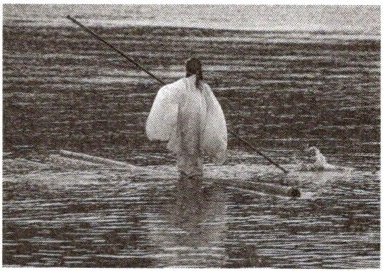
非遗传承 In the picture, a girl is standing on a bamboo pole(竹竿) on the river and dancing beautifully. It's not a scene from a movie, but a form of intangible cultural heritage(非物质文化遗产)—bamboo drifting(独竹漂).
Yang Liu is an inheritor(传承人) of bamboo drifting. She started to learn it from her grandmother when she was 7. As she was weak in health as a child, her grandmother wanted her to get into better shape through this sport. Yang threw herself into practicing bamboo drifting all year round, even in the winter cold and summer heat.
"It was common for me to fall into the water when I started practicing," recalled Yang, adding that it took her three years to learn the basic skills of bamboo drifting. In order to acquire more bamboo drifting skills, Yang had to practice countless difficult movements on a bamboo pole. Yang always considers the bamboo pole as her "best friend".
At one point, inspired by her grandmother, Yang began to combine(使结合) dance with bamboo drifting. "My grandmother came up with an idea. She said that I had been practicing bamboo drifting since I was a child, so why not try to combine dance with the skill? It might be something different," the young woman explained.
Yang's hard work gradually paid off when she was able to perfectly perform dancing with the traditional bamboo drifting skills. "I hope that more people can know about bamboo drifting and enjoy this form of art," said Yang.
1. When did Yang Liu start learning bamboo drifting?
2. How long did it take Yang Liu to master the basic skills of bamboo drifting?
3. Why did Yang Liu's grandmother ask her to learn bamboo drifting?
4. What does Yang Liu consider the bamboo pole as?
5. What makes Yang Liu's bamboo drifting special?
非遗传承 In the picture, a girl is standing on a bamboo pole(竹竿) on the river and dancing beautifully. It's not a scene from a movie, but a form of intangible cultural heritage(非物质文化遗产)—bamboo drifting(独竹漂).
Yang Liu is an inheritor(传承人) of bamboo drifting. She started to learn it from her grandmother when she was 7. As she was weak in health as a child, her grandmother wanted her to get into better shape through this sport. Yang threw herself into practicing bamboo drifting all year round, even in the winter cold and summer heat.
"It was common for me to fall into the water when I started practicing," recalled Yang, adding that it took her three years to learn the basic skills of bamboo drifting. In order to acquire more bamboo drifting skills, Yang had to practice countless difficult movements on a bamboo pole. Yang always considers the bamboo pole as her "best friend".
At one point, inspired by her grandmother, Yang began to combine(使结合) dance with bamboo drifting. "My grandmother came up with an idea. She said that I had been practicing bamboo drifting since I was a child, so why not try to combine dance with the skill? It might be something different," the young woman explained.
Yang's hard work gradually paid off when she was able to perfectly perform dancing with the traditional bamboo drifting skills. "I hope that more people can know about bamboo drifting and enjoy this form of art," said Yang.
1. When did Yang Liu start learning bamboo drifting?
At the age of 7.
2. How long did it take Yang Liu to master the basic skills of bamboo drifting?
Three years.
3. Why did Yang Liu's grandmother ask her to learn bamboo drifting?
To improve her health / get into better shape.
4. What does Yang Liu consider the bamboo pole as?
Her "best friend".
5. What makes Yang Liu's bamboo drifting special?
It combines dance and traditional culture in a unique way.(言之有理即可)
答案
1. At the age of 7.
2. Three years.
3. To improve her health / get into better shape.
4. Her "best friend".
5. It combines dance and traditional culture in a unique way.(言之有理即可)
2. Three years.
3. To improve her health / get into better shape.
4. Her "best friend".
5. It combines dance and traditional culture in a unique way.(言之有理即可)
解析
【分析】本题为英语阅读理解的细节查找题,需根据每个问题的关键词回到原文定位对应信息,提取准确答案。每个问题都有明确的原文依据,只要仔细阅读原文,定位相关句子即可得出答案。
【解析】1. 问题问杨柳何时开始学独竹漂,定位原文第二段第一句“She started to learn it from her grandmother when she was 7.”,提取时间信息得出答案;2. 问题问掌握基础技能的时长,定位原文第三段第一句“it took her three years to learn the basic skills of bamboo drifting.”,提取时长信息得出答案;3. 问题问奶奶让她学的原因,定位原文第二段“As she was weak in health as a child, her grandmother wanted her to get into better shape through this sport.”,提取原因信息得出答案;4. 问题问她对竹竿的定位,定位原文第三段最后一句“Yang always considers the bamboo pole as her 'best friend'.”,提取对应表述得出答案;5. 问题问独竹漂的特别之处,定位原文第四段“Yang began to combine dance with bamboo drifting.”,结合原文内容得出符合要求的答案。
【答案】1. At the age of 7.
2. Three years.
3. To get into better shape.
4. Her "best friend".
5. It combines dance with traditional bamboo drifting skills.(言之有理即可)
【知识点】英语阅读理解、细节理解题
【点评】本题考查英语阅读中细节信息的提取能力,所有答案均可在原文直接找到依据,难度较低,适合基础阶段学生练习。
【难度系数】0.8
【解析】1. 问题问杨柳何时开始学独竹漂,定位原文第二段第一句“She started to learn it from her grandmother when she was 7.”,提取时间信息得出答案;2. 问题问掌握基础技能的时长,定位原文第三段第一句“it took her three years to learn the basic skills of bamboo drifting.”,提取时长信息得出答案;3. 问题问奶奶让她学的原因,定位原文第二段“As she was weak in health as a child, her grandmother wanted her to get into better shape through this sport.”,提取原因信息得出答案;4. 问题问她对竹竿的定位,定位原文第三段最后一句“Yang always considers the bamboo pole as her 'best friend'.”,提取对应表述得出答案;5. 问题问独竹漂的特别之处,定位原文第四段“Yang began to combine dance with bamboo drifting.”,结合原文内容得出符合要求的答案。
【答案】1. At the age of 7.
2. Three years.
3. To get into better shape.
4. Her "best friend".
5. It combines dance with traditional bamboo drifting skills.(言之有理即可)
【知识点】英语阅读理解、细节理解题
【点评】本题考查英语阅读中细节信息的提取能力,所有答案均可在原文直接找到依据,难度较低,适合基础阶段学生练习。
【难度系数】0.8
