

 登录
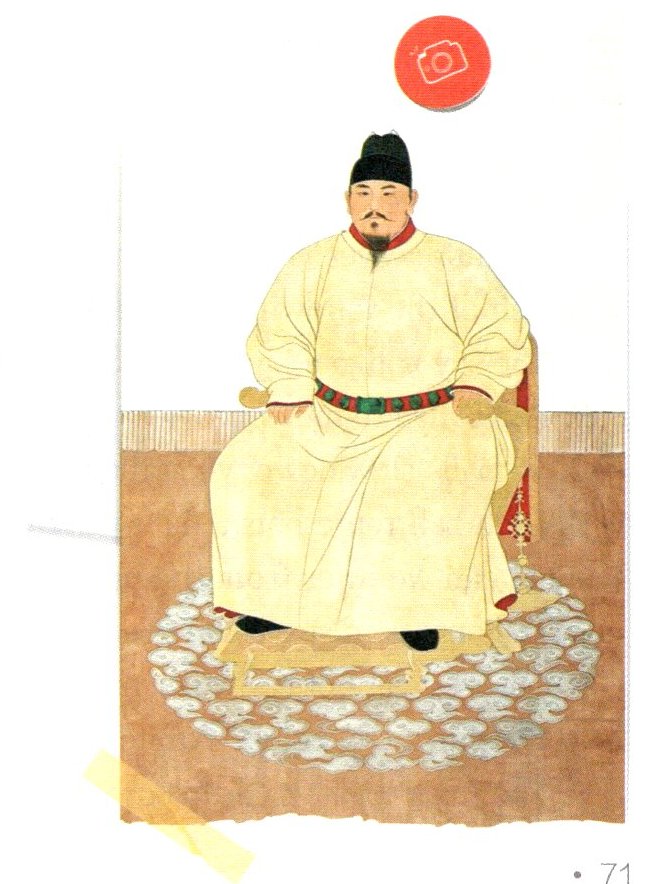
H ave you noticed that the portrait of Zhu Yuanzhang, the first emperor of the Ming Dynasty, looks different in today’s history textbooks? For many years, students saw him with a “shoehorn face(鞋拔子脸)”, which means he had a chin(下巴) that stuck out and long, narrow cheeks. Now, the portrait has changed to show him looking more dignified and handsome.
This change isn’t brand-new. The new portrait has been in high school textbooks since 2019, and it was added to Grade 7 textbooks in 2024.
In history, Zhu is described with two different appearances. One is called the zhengxing portrait(正形像), showing him with a round face and calm expression. The other is the yixing portrait(异形像), showing a sticking-out jaw, narrow face and many dark spots(斑点).
After much research,historians believe the zhengxing portrait is closer to how Zhu really looked. This idea is supported by family traits (特征), as his son, Zhu Di, also had a round face.
Why are there two types of portraits? A professor from Nanjing Normal University explains that the yixing portrait became popular because of ancientbeliefs . People thought that if a ruler looked unusual, it was a sign from heaven, making them trust the ruler more. To satisfy public curiosity , Zhu himself also encouraged this unusual image. Some studies suggest he did this to protect himself by not making his real look public.
Today, not only textbooks but also the portraits at the Ming Xiaoling Mausoleum Museum in Nanjing show the zhengxing portrait. Many visitors support this change. “It isn’t just about making the emperor look better; it helps young people think morecritically (批判地) about history. Using the proper pictures shows respect for historical figures and helps teach history correctly,” said Professor Lin Wei from Zhejiang University.
This change isn’t brand-new. The new portrait has been in high school textbooks since 2019, and it was added to Grade 7 textbooks in 2024.
In history, Zhu is described with two different appearances. One is called the zhengxing portrait(正形像), showing him with a round face and calm expression. The other is the yixing portrait(异形像), showing a sticking-out jaw, narrow face and many dark spots(斑点).
After much research,
Why are there two types of portraits? A professor from Nanjing Normal University explains that the yixing portrait became popular because of ancient
Today, not only textbooks but also the portraits at the Ming Xiaoling Mausoleum Museum in Nanjing show the zhengxing portrait. Many visitors support this change. “It isn’t just about making the emperor look better; it helps young people think more
答案
[Thursday 阅读理解 B]
篇章导读
本文主要介绍了近年来中国历史教科书中明朝开国皇帝朱元璋画像的变更情况,原来广为流传的“鞋拔子脸”异形像被替换为了更显端庄的圆脸正形像。
难句解读
(第一段第二句)For many years, students saw him with
先行词 先行词
a “shoehorn face”, which means he had a chin that stuck
引导非限制性定语从句 引导定语从句
out and long, narrow cheeks. 多年来,学生们看到的他长着
一张“鞋拔子脸”,下巴突出,脸颊又长又窄。
全文翻译
你是否注意到,明朝开国皇帝朱元璋的画像,在如今的历史课本中看起来不同了?多年来,学生们看到的他长着一张“鞋拔子脸”,下巴突出,脸颊又长又窄。现在,画像已更换为让他看上去更端庄、更英俊的形象。
这一变动并非新鲜事。新版画像自2019年起已进入高中课本,并于2024年纳入七年级课本。
在历史上,朱元璋被描述为两种不同的相貌。一种被称为“正形像”,脸型圆润,表情平静。另一种是“异形像”,下巴凸出、脸型狭长,还有很多黑斑。
历史学家经过大量研究认为,正形像更接近朱元璋的真实样貌。这一观点得到了家族特征的支持,因为他的儿子朱棣也是圆脸。
为什么会有两种画像?南京师范大学的一位教授解释说,“异形像”之所以流行是因为古代的信仰。人们认为如果一位统治者看起来不寻常,那便是上天的旨意,这会让他们更加信服统治者。为了满足民众的好奇心,朱元璋本人也曾推崇这种不寻常的形象。一些研究表明,他这样做是为了不公开他的真实样貌以保护自己。
如今,不仅是课本,南京明孝陵博物馆展出的画像也是朱元璋的正形像。许多游客都支持这一改动。“这不仅仅是让皇帝看上去更好看;它帮助年轻人更批判性地思考历史。使用恰当的画像显示了对历史人物的尊重,有助于正确地教授历史。”浙江大学的林玮教授说。
1. What did Zhu Yuanzhang look like in past history textbooks?
A. He was handsome.
B. He had a round face.
C. He was very serious.
D. He had a shoehorn face.
2. What does the underlined word “dignified” most probably mean?
A. Strict and brave.
B. Serious and calm.
C. Lively and helpful.
D. Modest and careful.
3. What do people think of the change of the portrait?
A. It is only for making the emperor look better.
B. It helps teach history in a correct way.
C. It makes people lose interest in history.
D. It hides the true features of Zhu Yuanzhang.
A. He was handsome.
B. He had a round face.
C. He was very serious.
D. He had a shoehorn face.
2. What does the underlined word “dignified” most probably mean?
A. Strict and brave.
B. Serious and calm.
C. Lively and helpful.
D. Modest and careful.
3. What do people think of the change of the portrait?
A. It is only for making the emperor look better.
B. It helps teach history in a correct way.
C. It makes people lose interest in history.
D. It hides the true features of Zhu Yuanzhang.
答案
1. D 细节理解题。由第一段中的“For many years, students saw him with a ‘shoehorn face’, which means he had a chin that stuck out and long, narrow cheeks.”可知,朱元璋在过去的历史课本中有着一张“鞋拔子脸”。
2. B 词义猜测题。结合画线词所在句的上一句提到的他长着一张“鞋拔子脸”和画线词后的 handsome 可推知,此处是指现在,画像已更换为让他看上去更端庄、更英俊的形象,故可猜测 dignified 意为“庄重的”,故选 B 项。
3. B 细节理解题。由最后一段中的 Using the proper pictures shows respect for historical figures and helps teach history correctly 可知,使用恰当的画像显示了对历史人物的尊重,有助于正确教授历史。由此可知,朱元璋画像的改变有助于正确地教授历史。
2. B 词义猜测题。结合画线词所在句的上一句提到的他长着一张“鞋拔子脸”和画线词后的 handsome 可推知,此处是指现在,画像已更换为让他看上去更端庄、更英俊的形象,故可猜测 dignified 意为“庄重的”,故选 B 项。
3. B 细节理解题。由最后一段中的 Using the proper pictures shows respect for historical figures and helps teach history correctly 可知,使用恰当的画像显示了对历史人物的尊重,有助于正确教授历史。由此可知,朱元璋画像的改变有助于正确地教授历史。
