

 登录
登录
一、词汇运用
1. Please use red
2. Some famous
3. My grandfather practises Chinese
4. During our trip to Bali, the guide reminded us to drink
5. Fengqiao Bridge
1. Please use red
ink
(墨水) when you write notes in your textbook.2. Some famous
calligraphers
(书法家) were invited to write inscriptions (题词) for the new library of our school.3. My grandfather practises Chinese
calligraphy
(书法) every morning to keep his mind peaceful.4. During our trip to Bali, the guide reminded us to drink
bottled
(bottle) water because tap water is not safe.5. Fengqiao Bridge
dates
(date) back to the Tang Dynasty and is known for the poem “Mooring by Maple Bridge at Night”.答案
1. ink 2. calligraphers 3. calligraphy 4. bottled 5. dates
解析
【分析】本题为英语词汇运用题,需结合句意、语法规则(名词的数、词性、时态等)及汉语提示或所给词的适当形式填空。具体思路:1. 根据汉语提示“墨水”判断为不可数名词,直接用原形;2. “书法家”是可数名词,结合前面的some确定用复数形式;3. “书法”为不可数名词,用原形;4. 修饰名词water需用形容词,转换所给名词bottle为形容词形式;5. 分析句子时态(一般现在时)和主语单复数,确定动词的第三人称单数形式。
【解析】1. 句意:在课本上记笔记时请用红墨水。“墨水”对应英文ink,为不可数名词,故填ink。2. 句意:一些著名书法家被邀请为学校新图书馆题词。“书法家”是可数名词calligrapher,some后接可数名词复数,故填calligraphers。3. 句意:我爷爷每天早上练习中国书法来保持心境平和。“书法”对应英文calligraphy,为不可数名词,故填calligraphy。4. 句意:巴厘岛旅行期间,导游提醒我们喝瓶装水,因为自来水不安全。修饰名词water需用形容词,bottle的形容词形式为bottled,故填bottled。5. 句意:枫桥桥追溯到唐朝,因《枫桥夜泊》这首诗闻名。主语Fengqiao Bridge是单数,句子为一般现在时,谓语动词用第三人称单数形式,date的三单形式为dates,故填dates。
【答案】1. ink 2. calligraphers 3. calligraphy 4. bottled 5. dates
【知识点】名词的数、形容词的用法、动词第三人称单数
【点评】本题考查英语基础词汇的运用,涉及名词、形容词、动词的形式变化,属于基础题型,能帮助学生巩固词汇的词性及语法变形规则。
【难度系数】0.7
【解析】1. 句意:在课本上记笔记时请用红墨水。“墨水”对应英文ink,为不可数名词,故填ink。2. 句意:一些著名书法家被邀请为学校新图书馆题词。“书法家”是可数名词calligrapher,some后接可数名词复数,故填calligraphers。3. 句意:我爷爷每天早上练习中国书法来保持心境平和。“书法”对应英文calligraphy,为不可数名词,故填calligraphy。4. 句意:巴厘岛旅行期间,导游提醒我们喝瓶装水,因为自来水不安全。修饰名词water需用形容词,bottle的形容词形式为bottled,故填bottled。5. 句意:枫桥桥追溯到唐朝,因《枫桥夜泊》这首诗闻名。主语Fengqiao Bridge是单数,句子为一般现在时,谓语动词用第三人称单数形式,date的三单形式为dates,故填dates。
【答案】1. ink 2. calligraphers 3. calligraphy 4. bottled 5. dates
【知识点】名词的数、形容词的用法、动词第三人称单数
【点评】本题考查英语基础词汇的运用,涉及名词、形容词、动词的形式变化,属于基础题型,能帮助学生巩固词汇的词性及语法变形规则。
【难度系数】0.7
(
A./
B.to
C.from
D.at
A
) 1. The Dragon Boat Festival dates back more than 2,000 years. It was first celebrated in memory of the great poet Qu Yuan.A./
B.to
C.from
D.at
答案
1.A
解析
【分析】首先回忆动词短语date的用法:date back表示“追溯到(某段时间)”,后面直接接时间段,无需加介词;而date back to是“追溯到(某个具体时间点)”,需加介词to。本题空格后是时间段“more than 2,000 years”,因此不需要介词,直接选A。
【解析】本题考查英语动词短语的固定搭配。date back为固定短语,后接时间段时无需加介词;date back to后接具体时间点。本句中空格后是时间段“more than 2,000 years”,不需要添加介词,故答案为A。
【答案】A
【知识点】英语固定搭配
【点评】本题考查基础动词短语的用法辨析,属于英语学习的基础知识点,需准确记忆date相关短语的搭配差异,难度较低。
【难度系数】0.7
【解析】本题考查英语动词短语的固定搭配。date back为固定短语,后接时间段时无需加介词;date back to后接具体时间点。本句中空格后是时间段“more than 2,000 years”,不需要添加介词,故答案为A。
【答案】A
【知识点】英语固定搭配
【点评】本题考查基础动词短语的用法辨析,属于英语学习的基础知识点,需准确记忆date相关短语的搭配差异,难度较低。
【难度系数】0.7
(
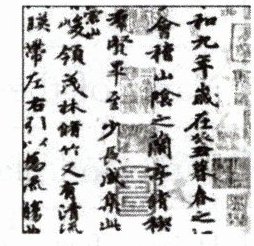
A.Calligraphy.
B.Paper-cutting.
C.Chinese painting.
D.Stone carving.
A
)2. What art form is shown in the picture on the right?A.Calligraphy.
B.Paper-cutting.
C.Chinese painting.
D.Stone carving.
答案
2.A
解析
【分析】本题要求判断图片中的艺术形式,首先观察图片内容:图中是毛笔书写的汉字作品,属于中国传统书法的呈现形式。接着逐一分析各选项对应的艺术形式,排除不符合的选项,即可得出答案。
【解析】观察图片可知,图中是用毛笔书写的汉字作品,属于书法艺术。对选项逐一分析:A选项Calligraphy意为书法,符合图片呈现的艺术形式;B选项Paper-cutting是剪纸,属于镂空纸艺,与图片内容不符;C选项Chinese painting是中国画,以水墨、色彩绘制景物等,不符合;D选项Stone carving是石雕,为石材雕刻艺术,与图片内容不符。因此答案为A。
【答案】A
【知识点】艺术形式识别、中国书法常识
【点评】本题考查常见艺术形式的识别,结合图片的书写特征即可快速判断,难度较小。
【难度系数】0.2
【解析】观察图片可知,图中是用毛笔书写的汉字作品,属于书法艺术。对选项逐一分析:A选项Calligraphy意为书法,符合图片呈现的艺术形式;B选项Paper-cutting是剪纸,属于镂空纸艺,与图片内容不符;C选项Chinese painting是中国画,以水墨、色彩绘制景物等,不符合;D选项Stone carving是石雕,为石材雕刻艺术,与图片内容不符。因此答案为A。
【答案】A
【知识点】艺术形式识别、中国书法常识
【点评】本题考查常见艺术形式的识别,结合图片的书写特征即可快速判断,难度较小。
【难度系数】0.2
(
— It's amazing! I
A.have been
B.have gone
C.have never been
D.have never gone
C
)3. — How was your trip to Universal Studios Beijing?— It's amazing! I
have never been
to a more interesting theme park before.A.have been
B.have gone
C.have never been
D.have never gone
答案
3.C
解析
【分析】
本题需结合对话语境和现在完成时的短语用法解题。首先,对话围绕北京环球影城之旅展开,答语称其“amazing(很棒)”,后半句要表达“之前从未去过更有趣的主题公园”,因此需用现在完成时的否定形式;其次要区分have been to(表示“去过某地,已返回”)和have gone to(表示“去了某地,未返回”)的含义,排除不符合语境的选项。
【解析】
1. 语境分析:答语强调环球影城很有趣,后半句需体现“之前没去过更有趣的主题公园”,需用否定的现在完成时结构。
2. 短语辨析:
A选项have been:为肯定形式,不符合“没去过”的否定语境,排除;
B选项have gone:表示“去了某地(尚未返回)”,不符合“之前的经历”的语境,排除;
C选项have never been:意为“从未去过某地(已返回)”,符合“之前没去过更有趣的主题公园”的语境;
D选项have never gone:gone强调“去的动作未完成”,不符合表达“经历”的用法,排除。
综上,答案为C。
【答案】
C
【知识点】
现在完成时;have been to与have gone to的用法区别
【点评】
本题结合日常情景对话考查现在完成时的基础用法,核心是区分易混短语have been to和have gone to,同时需结合语境判断否定逻辑,属于初中英语的基础时态题,难度适中。
【难度系数】
0.5
本题需结合对话语境和现在完成时的短语用法解题。首先,对话围绕北京环球影城之旅展开,答语称其“amazing(很棒)”,后半句要表达“之前从未去过更有趣的主题公园”,因此需用现在完成时的否定形式;其次要区分have been to(表示“去过某地,已返回”)和have gone to(表示“去了某地,未返回”)的含义,排除不符合语境的选项。
【解析】
1. 语境分析:答语强调环球影城很有趣,后半句需体现“之前没去过更有趣的主题公园”,需用否定的现在完成时结构。
2. 短语辨析:
A选项have been:为肯定形式,不符合“没去过”的否定语境,排除;
B选项have gone:表示“去了某地(尚未返回)”,不符合“之前的经历”的语境,排除;
C选项have never been:意为“从未去过某地(已返回)”,符合“之前没去过更有趣的主题公园”的语境;
D选项have never gone:gone强调“去的动作未完成”,不符合表达“经历”的用法,排除。
综上,答案为C。
【答案】
C
【知识点】
现在完成时;have been to与have gone to的用法区别
【点评】
本题结合日常情景对话考查现在完成时的基础用法,核心是区分易混短语have been to和have gone to,同时需结合语境判断否定逻辑,属于初中英语的基础时态题,难度适中。
【难度系数】
0.5
(
A.view
B.wonder
C.object
D.treasure
D
)4. Knowledge is a lifelong treasure
that will never be taken away from you, so keep learning no matter how old you are.A.view
B.wonder
C.object
D.treasure
答案
4.D
解析
【分析】本题考查名词词义辨析,需结合句意匹配合适的名词。先理解句子核心含义:知识是终身的______,永远不会被夺走,因此无论多大年纪都要坚持学习。再逐一分析选项词义,结合语境筛选答案。
【解析】句子意为“知识是终身的财富,永远不会被从你身边夺走,所以无论多大年纪都要坚持学习”。A选项view意为“观点;风景”,不符合语境;B选项wonder意为“奇迹”,与句意不符;C选项object意为“物体;目标”,不合适;D选项treasure意为“宝藏;财富”,符合“知识是终身财富”的语境,因此选D。
【答案】D
【知识点】名词词义辨析
【点评】本题为基础词汇辨析题,结合语境考查名词含义,需准确掌握各选项词义并理解句子逻辑,难度较低,适合巩固基础词汇。
【难度系数】0.8
【解析】句子意为“知识是终身的财富,永远不会被从你身边夺走,所以无论多大年纪都要坚持学习”。A选项view意为“观点;风景”,不符合语境;B选项wonder意为“奇迹”,与句意不符;C选项object意为“物体;目标”,不合适;D选项treasure意为“宝藏;财富”,符合“知识是终身财富”的语境,因此选D。
【答案】D
【知识点】名词词义辨析
【点评】本题为基础词汇辨析题,结合语境考查名词含义,需准确掌握各选项词义并理解句子逻辑,难度较低,适合巩固基础词汇。
【难度系数】0.8
(
—
A.Not exactly
B.That's true
C.No problem
D.Not a big deal
A
)5. — So you missed the calligraphy show in the city hall yesterday.—
Not exactly
. I got there 20 minutes before it closed.A.Not exactly
B.That's true
C.No problem
D.Not a big deal
答案
5.A
解析
【分析】首先梳理对话语境:对方认为回答者错过了市政厅的书法展,而回答者称自己在展览关门前20分钟到达,说明并非完全错过,只是差点没赶上。解题时需先明确各选项含义,再结合语境匹配最恰当的答语。
【解析】逐一分析选项:A选项Not exactly意为“不完全是”,用于委婉纠正对方不准确的表述,符合“并非完全错过”的语境;B选项That's true意为“那是真的”,若选此项则表示确实错过了,与后文“关门前20分钟到达”矛盾;C选项No problem意为“没问题”,多用于回应请求或道歉,不符合此处语境;D选项Not a big deal意为“没什么大不了”,用于安慰对方,与语境不符。因此正确答案为A。
【答案】A
【知识点】日常交际用语
【点评】本题考查英语日常交际用语的实际运用,需结合对话逻辑准确理解选项含义,难度适中,侧重考查口语表达的语境适配能力。
【难度系数】0.7
【解析】逐一分析选项:A选项Not exactly意为“不完全是”,用于委婉纠正对方不准确的表述,符合“并非完全错过”的语境;B选项That's true意为“那是真的”,若选此项则表示确实错过了,与后文“关门前20分钟到达”矛盾;C选项No problem意为“没问题”,多用于回应请求或道歉,不符合此处语境;D选项Not a big deal意为“没什么大不了”,用于安慰对方,与语境不符。因此正确答案为A。
【答案】A
【知识点】日常交际用语
【点评】本题考查英语日常交际用语的实际运用,需结合对话逻辑准确理解选项含义,难度适中,侧重考查口语表达的语境适配能力。
【难度系数】0.7
三、信息还原
Jiangzhou Chengni inkstone(绛州澄泥砚)in Shanxi Province is one of China's most famous inkstones. It is known for its fine texture(质地). 1.
The skill can date back to the Han Dynasty(202 B.C.-220 A.D.). 2.
3.
4.
It takes over a year and many steps to make a Chengni inkstone. One of the key steps is mud filtering(过滤). The mud needs to be filtered over and over again till it feels like flour(面粉). This is to make sure the texture of clay is right.
In 2019, Lin Xiaolin, Lin Tao's son, returned from his studies abroad. 5.
controlling the temperature of the kiln, he increased the colours of the inkstone from three to eight. The young man has also stepped into the online market.
The family are working hard to give the Chengni inkstone more energy to make it a symbol of Chinese culture.
A. He created new ways to make the Chengni inkstone.
B. The process was so difficult that he had to give up halfway.
C. It feels like “a baby’s skin” and can do less harm to the brushes.
D. However, it was lost at the end of the Ming Dynasty(1368-1644).
E. Now people seldom use inkstones because of modern writing tools.
F. Although they learned the basic ways, bringing it back to life was no easy task.
G. After many failures, they succeeded in making three Chengni inkstones in 1991.
Jiangzhou Chengni inkstone(绛州澄泥砚)in Shanxi Province is one of China's most famous inkstones. It is known for its fine texture(质地). 1.
C
Unlike other inkstones made from natural stone, it is made from mud from the Fenhe River.The skill can date back to the Han Dynasty(202 B.C.-220 A.D.). 2.
D
In 1986, Lin Yongmao, a craftsperson from Xinjiang County, Shanxi, and his son Lin Tao decided to bring the skill of making Jiangzhou Chengni inkstone back to life. To find clues, they visited libraries to read ancient books about the inkstone.3.
F
They walked over the Fenhe riverbed and collected mud of all kinds to find the best one. To know the best temperature of firing clay, they spent sleepless nights keeping a close watch on the kiln(窑)in the smoke.4.
G
In 1994, their inkstones won a gold prize at the China Expo of Famous Inkstones.It takes over a year and many steps to make a Chengni inkstone. One of the key steps is mud filtering(过滤). The mud needs to be filtered over and over again till it feels like flour(面粉). This is to make sure the texture of clay is right.
In 2019, Lin Xiaolin, Lin Tao's son, returned from his studies abroad. 5.
A
Bycontrolling the temperature of the kiln, he increased the colours of the inkstone from three to eight. The young man has also stepped into the online market.
The family are working hard to give the Chengni inkstone more energy to make it a symbol of Chinese culture.
A. He created new ways to make the Chengni inkstone.
B. The process was so difficult that he had to give up halfway.
C. It feels like “a baby’s skin” and can do less harm to the brushes.
D. However, it was lost at the end of the Ming Dynasty(1368-1644).
E. Now people seldom use inkstones because of modern writing tools.
F. Although they learned the basic ways, bringing it back to life was no easy task.
G. After many failures, they succeeded in making three Chengni inkstones in 1991.
答案
1.C 2.D 3.F 4.G 5.A
解析
【分析】
解答本题需先通读全文,把握文章关于绛州澄泥砚的介绍脉络,再逐一分析每个空格的上下文语境,结合句子间的逻辑关系(如承接、转折、递进等)匹配对应选项。具体思路:1. 第1空需承接前文对澄泥砚质地的描述;2. 第2空需衔接技艺起源与后文“复活技艺”的行动,体现技艺的失传;3. 第3空需引出后文复活技艺的艰难过程;4. 第4空需衔接后文获奖的结果,体现此前的成功;5. 第5空需衔接林晓林回国与后文的创新改进,体现他的贡献。
【解析】
1. 第1空:前文强调澄泥砚“fine texture(质地优良)”,C选项描述其质地如“婴儿的皮肤”且对毛笔伤害小,承接上文的质地优势,故选C。
2. 第2空:前文说明技艺始于汉代,后文提到1986年父子要“bring the skill back to life(复活技艺)”,说明技艺曾失传,D选项指出技艺在明末失传,承上启下,故选D。
3. 第3空:后文讲述他们收集泥样、监测窑温等艰难操作,F选项说明“复活技艺并非易事”,引出下文的艰难过程,故选F。
4. 第4空:后文提到1994年获奖,G选项说明1991年成功做出三个澄泥砚,是获奖的前提,逻辑连贯,故选G。
5. 第5空:前文说林晓林回国,后文讲他改进窑温增加砚台颜色,A选项说明他创造新的制作方法,承上启下,故选A。
【答案】
1.C 2.D 3.F 4.G 5.A
【知识点】
英语七选五、语篇逻辑推理、上下文语境理解
【点评】
本题为英语信息还原(七选五)题型,围绕绛州澄泥砚的技艺传承展开,考查学生对语篇逻辑和上下文衔接的理解能力,需结合语境分析句子间的逻辑关系,难度适中。
【难度系数】
0.5
解答本题需先通读全文,把握文章关于绛州澄泥砚的介绍脉络,再逐一分析每个空格的上下文语境,结合句子间的逻辑关系(如承接、转折、递进等)匹配对应选项。具体思路:1. 第1空需承接前文对澄泥砚质地的描述;2. 第2空需衔接技艺起源与后文“复活技艺”的行动,体现技艺的失传;3. 第3空需引出后文复活技艺的艰难过程;4. 第4空需衔接后文获奖的结果,体现此前的成功;5. 第5空需衔接林晓林回国与后文的创新改进,体现他的贡献。
【解析】
1. 第1空:前文强调澄泥砚“fine texture(质地优良)”,C选项描述其质地如“婴儿的皮肤”且对毛笔伤害小,承接上文的质地优势,故选C。
2. 第2空:前文说明技艺始于汉代,后文提到1986年父子要“bring the skill back to life(复活技艺)”,说明技艺曾失传,D选项指出技艺在明末失传,承上启下,故选D。
3. 第3空:后文讲述他们收集泥样、监测窑温等艰难操作,F选项说明“复活技艺并非易事”,引出下文的艰难过程,故选F。
4. 第4空:后文提到1994年获奖,G选项说明1991年成功做出三个澄泥砚,是获奖的前提,逻辑连贯,故选G。
5. 第5空:前文说林晓林回国,后文讲他改进窑温增加砚台颜色,A选项说明他创造新的制作方法,承上启下,故选A。
【答案】
1.C 2.D 3.F 4.G 5.A
【知识点】
英语七选五、语篇逻辑推理、上下文语境理解
【点评】
本题为英语信息还原(七选五)题型,围绕绛州澄泥砚的技艺传承展开,考查学生对语篇逻辑和上下文衔接的理解能力,需结合语境分析句子间的逻辑关系,难度适中。
【难度系数】
0.5
