

 登录
一、根据图片内容选择合适的句子,将序号填入对话框中。
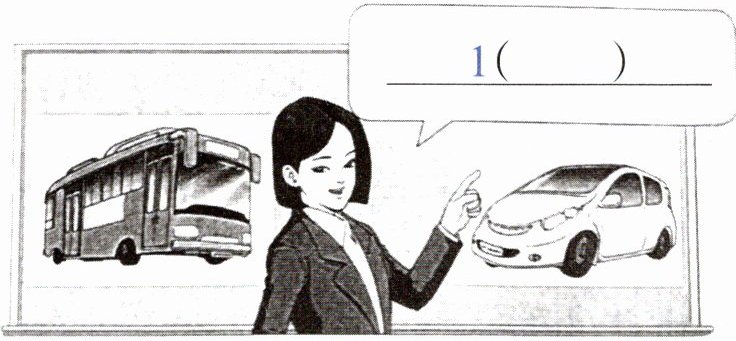
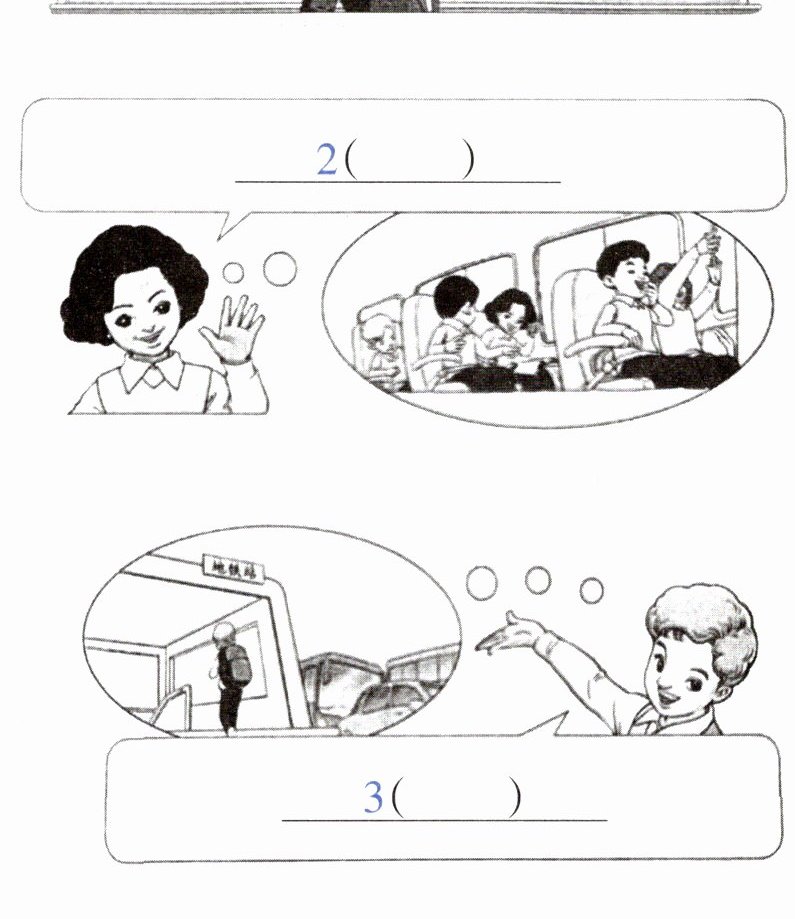
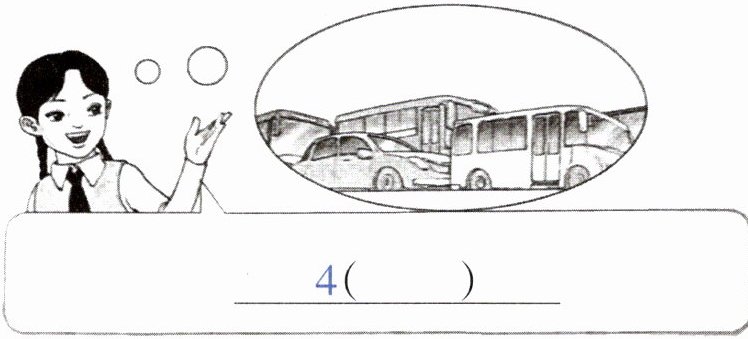
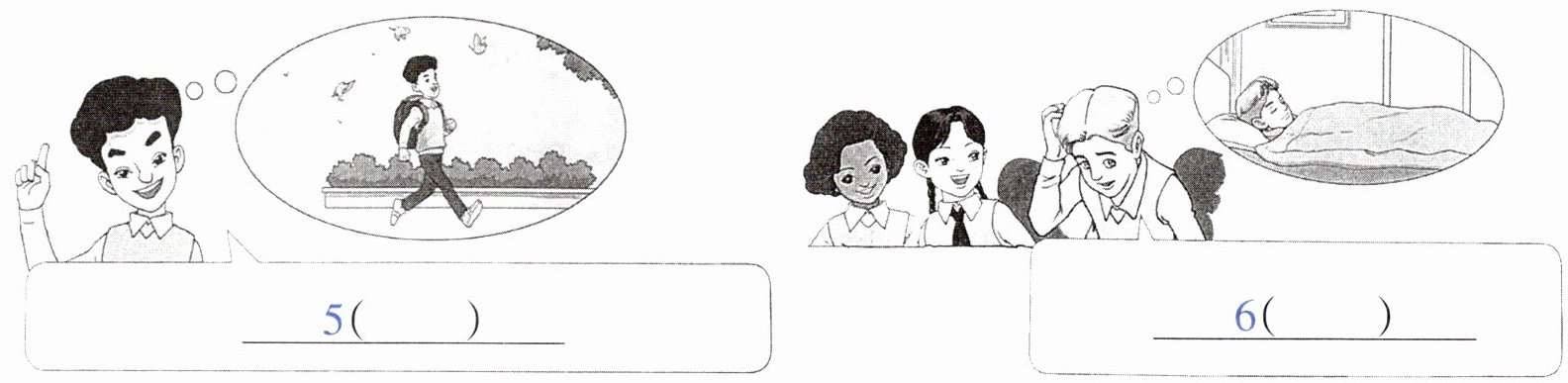
A. I usually come to school by subway. My home is far from school. There are a lot of cars on the roads, and coming by car is slow. So I come by subway.
B. I usually come to school by school bus. I can talk to my friends on the school bus. I like it.
C. Yes, there are too many cars on the roads now. I want to come to school by bike. But it is not safe for me. So I have to come by car.
D. I usually come to school on foot. I can listen to the birds and smell the flowers. It makes me happy.
E. I usually come to school by bus. But I want to live in school! I can sleep more, and I will never be late.
F. Hey, boys and girls! How do you usually come to school?
答案
1.F 2.B 3.A 4.C 5.D 6.E
解析
【分析】
这是一道情景对话匹配题,解题思路如下:首先要定位对话的起始句,发起话题的句子通常作为对话开头;接着依据对话的逻辑连贯性,结合句子内容(如交通方式描述、话题呼应点)依次匹配。F是发起上学交通方式的提问,开启话题;之后同学们依次介绍各自的上学方式,其中A提到路上车多,C的内容正好呼应该点,其余句子分别介绍不同上学方式及感受,按此逻辑即可完成匹配。
【解析】
1. 对话需先发起话题,F选项“Hey, boys and girls! How do you usually come to school?”是询问大家上学的交通方式,适合作为对话开头,故第1空选F。
2. 接下来是同学回应上学方式,B选项介绍了坐校车上学的情况及感受,符合回答内容,故第2空选B。
3. 继续是另一位同学的回答,A选项详细说明了坐地铁上学的原因(家远、路上车多开车慢),逻辑连贯,故第3空选A。
4. C选项中“there are too many cars on the roads now”呼应A选项里的“There are a lot of cars on the roads”,是对该话题的承接,同时介绍了自己的上学方式,故第4空选C。
5. D选项介绍了步行上学的乐趣,是另一种上学方式的表述,合理承接对话,故第5空选D。
6. E选项介绍了坐公交上学的情况及自身想法,作为最后一个回答补充对话内容,故第6空选E。
【答案】
1.F 2.B 3.A 4.C 5.D 6.E
【知识点】
情景对话逻辑、交通方式表达、日常交际用语
【点评】
本题围绕“上学交通方式”日常话题展开,考查学生对情景对话逻辑连贯性的把握及语篇理解能力。解题时需抓住句子间的话题呼应点,结合日常交际逻辑顺序匹配,能有效提升学生的逻辑推理与英语交际运用能力。
【难度系数】
0.6
