

 登录
登录
Passage 35 She brought Dunhuang art to life!
阅读量:198词 | 难度:★★★★★ | 建议用时:9分钟 | 正确率:/7
(右侧二维码旁文字:音视频拍照 频频照 带讲批 读解改)
她一生择一事,一世倾芳华。阅读“敦煌少女”常沙娜奶奶的故事,完成任务。
Chang Shana is an outstanding artist in China. She was born in France in 1931. When she was twelve, her father took the family to Dunhuang. Chang still remembered their first meal in Dunhuang. It was noodles in plain water(自来水), only with salt and vinegar(醋). And they used branches(树枝) as chopsticks. “Our first meal was really ▲ to eat. I asked my father, ‘Do we have vegetables?’ He said no because we had to plant if we wanted.” 1.
Chang Shana showed great interest in Dunhuang art. With her father’s help, she worked hard to copy the paintings on the wall and the figure statues(人物雕像) in the Mogao Caves. Every day, she climbed a special ladder—the centipede(蜈蚣) ladder into the caves to work. This gave her very good skills. 2.
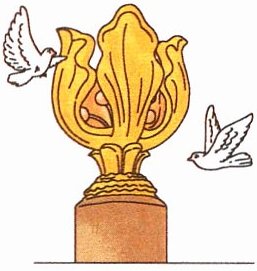
For many years, Chang used the beautiful art from Dunhuang in important places. You can see her work in the Great Hall of the People and Beijing Capital International Airport. She also made a sculpture(雕塑品) for Hong Kong’s return. Her great art brought Dunhuang’s spirit to life. It seemed to say: If you love something very much, it makes your long life happy and meaningful.
3
思维新题
任务一:请归纳每段大意,将下列句子的序号填在文中对应的横线上,完成第1~3小题。
A. Chang Shana later used Dunhuang art in important places.
B. Chang learned great skills by working hard every day.
C. Chang moved to Dunhuang as a child and found life there very hard.
任务二:根据文章内容,选择正确答案。
()4. When did Chang Shana's family move to Dunhuang? 考点 数字计算
A. In 1931.
B. In 1943.
C. In 1951.
()5. Which one can we put in "▲" for the passage? 考点 推理判断
A. delicious
B. hard
C. healthy
()6. According to Paragraph 2, how did Chang work in Dunhuang?
A. By climbing a special ladder.
B. By taking photos.
C. By painting pictures on the wall.
()7. What can we know from the passage? 考点 推理判断
A. We should spend much money on what we love.
B. Chang had some noodles with vegetables for her first meal in Dunhuang.
C. People can enjoy Chang's artworks in Beijing and Hong Kong.
日积月累
outstanding /aʊtˈstændɪŋ/ 优秀的;杰出的
be born in 出生于
阅读量:198词 | 难度:★★★★★ | 建议用时:9分钟 | 正确率:/7
(右侧二维码旁文字:音视频拍照 频频照 带讲批 读解改)
她一生择一事,一世倾芳华。阅读“敦煌少女”常沙娜奶奶的故事,完成任务。
Chang Shana is an outstanding artist in China. She was born in France in 1931. When she was twelve, her father took the family to Dunhuang. Chang still remembered their first meal in Dunhuang. It was noodles in plain water(自来水), only with salt and vinegar(醋). And they used branches(树枝) as chopsticks. “Our first meal was really ▲ to eat. I asked my father, ‘Do we have vegetables?’ He said no because we had to plant if we wanted.” 1.
Chang Shana showed great interest in Dunhuang art. With her father’s help, she worked hard to copy the paintings on the wall and the figure statues(人物雕像) in the Mogao Caves. Every day, she climbed a special ladder—the centipede(蜈蚣) ladder into the caves to work. This gave her very good skills. 2.
For many years, Chang used the beautiful art from Dunhuang in important places. You can see her work in the Great Hall of the People and Beijing Capital International Airport. She also made a sculpture(雕塑品) for Hong Kong’s return. Her great art brought Dunhuang’s spirit to life. It seemed to say: If you love something very much, it makes your long life happy and meaningful.
3
思维新题
任务一:请归纳每段大意,将下列句子的序号填在文中对应的横线上,完成第1~3小题。
A. Chang Shana later used Dunhuang art in important places.
B. Chang learned great skills by working hard every day.
C. Chang moved to Dunhuang as a child and found life there very hard.
任务二:根据文章内容,选择正确答案。
()4. When did Chang Shana's family move to Dunhuang? 考点 数字计算
A. In 1931.
B. In 1943.
C. In 1951.
()5. Which one can we put in "▲" for the passage? 考点 推理判断
A. delicious
B. hard
C. healthy
()6. According to Paragraph 2, how did Chang work in Dunhuang?
A. By climbing a special ladder.
B. By taking photos.
C. By painting pictures on the wall.
()7. What can we know from the passage? 考点 推理判断
A. We should spend much money on what we love.
B. Chang had some noodles with vegetables for her first meal in Dunhuang.
C. People can enjoy Chang's artworks in Beijing and Hong Kong.
日积月累
outstanding /aʊtˈstændɪŋ/ 优秀的;杰出的
be born in 出生于
答案
任务一:
1. C 【主旨大意】第一段描述了常沙娜童年随家人迁居敦煌的经历,并通过“第一餐仅用盐、自来水和醋煮面条”“用树枝当筷子”“需自己种菜”等细节,突出当地生活的艰苦。
2. B 【主旨大意】第二段重点叙述她每日攀爬蜈蚣梯进入洞窟,在父亲指导下刻苦临摹壁画与雕像,从而练就精湛的技艺的过程。
3. A 【主旨大意】第三段列举了她将敦煌艺术应用于重要场合的成就,体现其“让敦煌艺术重获生机”的贡献。
任务二:
4. B 【数字计算】由文章中的“Chang Shana...She was born in France in 1931. When she was twelve, her father took the family to Dunhuang.”可知,常沙娜于1931年出生,十二岁时迁居敦煌。经计算可知,常沙娜一家人在1943年迁居敦煌。
5. B 【推理判断】根据上下文“仅用盐、自来水和醋煮面条”“用树枝当筷子”“需自己种菜”等描述,可推断第一餐“很难吃”。
6. A 【细节理解】由文章中的“Every day, she climbed a special ladder—the centipede ladder into the caves to work.”可知,常沙娜通过攀爬特殊梯子工作。
7. C 【推理判断】文中未提及“花费金钱”,可排除A选项;B选项与第一餐无蔬菜的事实矛盾;C选项可由第三段中的“人民大会堂”“北京首都国际机场”及“为香港回归创作的雕塑”可推知,其作品分布于北京与香港,表述正确。
1. C 【主旨大意】第一段描述了常沙娜童年随家人迁居敦煌的经历,并通过“第一餐仅用盐、自来水和醋煮面条”“用树枝当筷子”“需自己种菜”等细节,突出当地生活的艰苦。
2. B 【主旨大意】第二段重点叙述她每日攀爬蜈蚣梯进入洞窟,在父亲指导下刻苦临摹壁画与雕像,从而练就精湛的技艺的过程。
3. A 【主旨大意】第三段列举了她将敦煌艺术应用于重要场合的成就,体现其“让敦煌艺术重获生机”的贡献。
任务二:
4. B 【数字计算】由文章中的“Chang Shana...She was born in France in 1931. When she was twelve, her father took the family to Dunhuang.”可知,常沙娜于1931年出生,十二岁时迁居敦煌。经计算可知,常沙娜一家人在1943年迁居敦煌。
5. B 【推理判断】根据上下文“仅用盐、自来水和醋煮面条”“用树枝当筷子”“需自己种菜”等描述,可推断第一餐“很难吃”。
6. A 【细节理解】由文章中的“Every day, she climbed a special ladder—the centipede ladder into the caves to work.”可知,常沙娜通过攀爬特殊梯子工作。
7. C 【推理判断】文中未提及“花费金钱”,可排除A选项;B选项与第一餐无蔬菜的事实矛盾;C选项可由第三段中的“人民大会堂”“北京首都国际机场”及“为香港回归创作的雕塑”可推知,其作品分布于北京与香港,表述正确。
