

 登录
登录
一、【学科融合】六年级(1)班准备成立“太空兴趣小组”,他们在网上找到了一份关于太阳系部分成员的简易科普资料。任务型阅读。
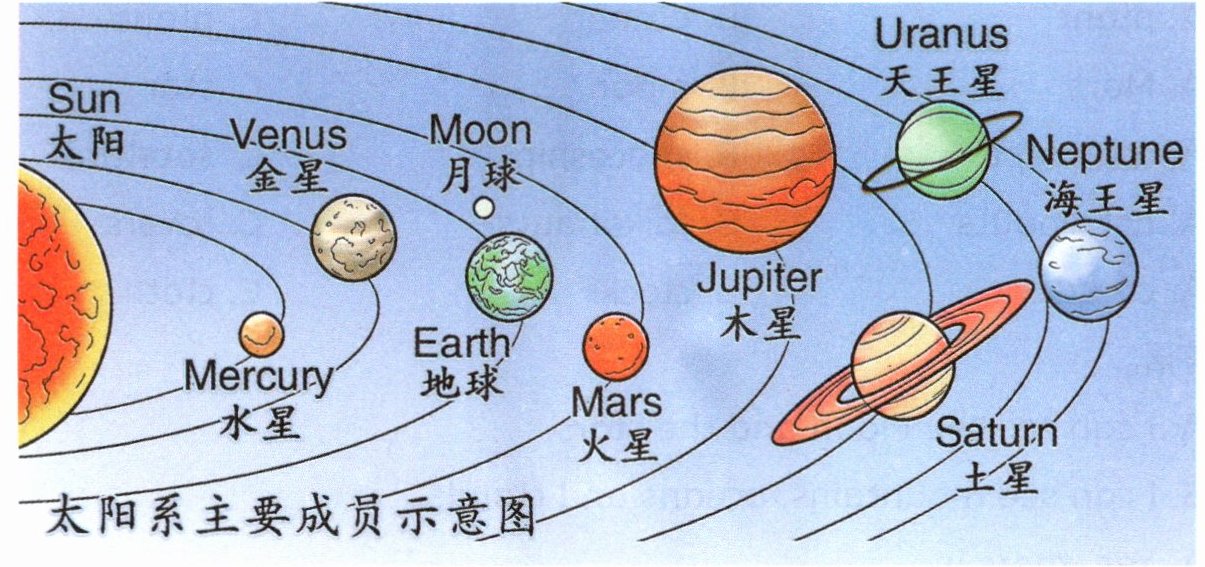
• The Sun: It is a star. It is very hot and big. Everything in the solar system travels around it.
• Mercury: It is the first planet to the Sun. It is very hot during the day, but it's very cold at night.
• Venus: It is the second planet from the Sun. It is the hottest planet. It's covered(被……覆盖) with thick (厚的) clouds.
• Earth: It is the third planet to the Sun. It's our home. There is water and air on Earth. We can see blue seas, green plants, ...
• Mars: It's the "red planet". There aren't any living things on Mars.
任务一:阅读材料,选择正确的答案。
(
A. cold B. hot C. warm
(
A. Earth B. Mercury C. Venus
(
A. second B. third C. fourth
(
A. Mars B. The Sun C. Venus
任务二:阅读材料,回答问题。
What is the difference between Earth and Mars?
• The Sun: It is a star. It is very hot and big. Everything in the solar system travels around it.
• Mercury: It is the first planet to the Sun. It is very hot during the day, but it's very cold at night.
• Venus: It is the second planet from the Sun. It is the hottest planet. It's covered(被……覆盖) with thick (厚的) clouds.
• Earth: It is the third planet to the Sun. It's our home. There is water and air on Earth. We can see blue seas, green plants, ...
• Mars: It's the "red planet". There aren't any living things on Mars.
任务一:阅读材料,选择正确的答案。
(
B
) 1. Mercury is very hot
during the daytime.A. cold B. hot C. warm
(
C
) 2. Venus
is the hottest planet.A. Earth B. Mercury C. Venus
(
B
) 3. Earth is the third
planet from the Sun.A. second B. third C. fourth
(
A
) 4. Mars
is called the "red planet".A. Mars B. The Sun C. Venus
任务二:阅读材料,回答问题。
What is the difference between Earth and Mars?
We can't live on Mars, but we can live on Earth.(答案不唯一)
答案
一、任务一: 1. B 2. C 3. B 4. A
解析 1. 根据材料 “Mercury: ... It is very hot during the day ...” 可知, 水星白天温度很高。
故选B。
2. 根据材料 “Venus: ... It is the hottest planet.” 可知, 金星是太阳系中最热的行星。故选C。
3. 根据材料 “Earth: It is the third planet to the Sun.” 可知, 地球是距离太阳第三的行星。故选B。
4. 根据材料 “Mars: It's the 'red planet'.” 可知, 火星是“红色星球”, 故选A。
任务二: We can't live on Mars, but we can live on Earth.(答案不唯一)
解析 本题要求对比地球和火星的不同点, 只需从原文中提取两者的特征差异即可。
解析 1. 根据材料 “Mercury: ... It is very hot during the day ...” 可知, 水星白天温度很高。
故选B。
2. 根据材料 “Venus: ... It is the hottest planet.” 可知, 金星是太阳系中最热的行星。故选C。
3. 根据材料 “Earth: It is the third planet to the Sun.” 可知, 地球是距离太阳第三的行星。故选B。
4. 根据材料 “Mars: It's the 'red planet'.” 可知, 火星是“红色星球”, 故选A。
任务二: We can't live on Mars, but we can live on Earth.(答案不唯一)
解析 本题要求对比地球和火星的不同点, 只需从原文中提取两者的特征差异即可。
解析
【分析】
本题是英语任务型阅读题,分为任务一(选择题)和任务二(简答题)。解题思路:任务一需根据每个小题的关键词,定位材料中对应的描述,选出正确答案;任务二需对比材料中地球和火星的特征,找出两者的差异,组织语言作答。
【解析】
任务一:
1. 关键词“Mercury”“daytime”,定位材料中“Mercury: ... It is very hot during the day ...”,可知水星白天温度很高,故选B。
2. 关键词“hottest planet”,定位材料中“Venus: ... It is the hottest planet.”,可知金星是太阳系中最热的行星,故选C。
3. 关键词“Earth”“planet from the Sun”,定位材料中“Earth: It is the third planet to the Sun.”,可知地球是距离太阳第三的行星,故选B。
4. 关键词“red planet”,定位材料中“Mars: It's the 'red planet'.”,可知火星被称为“红色星球”,故选A。
任务二:
对比材料中地球和火星的描述:地球是我们的家园,有水和空气;火星上没有任何生物。因此差异可表述为:We can live on Earth, but there aren't any living things on Mars.(答案符合原文即可)
【答案】
任务一:1. B 2. C 3. B 4. A
任务二:We can live on Earth, but there aren't any living things on Mars.(答案不唯一,符合原文即可)
【知识点】
英语阅读理解、太阳系常识
【点评】
本题结合英语阅读与科学常识,题目设置基础,答案均可从原文直接定位或提炼,能考查学生的信息提取能力,适合六年级学生完成。
【难度系数】
0.8
本题是英语任务型阅读题,分为任务一(选择题)和任务二(简答题)。解题思路:任务一需根据每个小题的关键词,定位材料中对应的描述,选出正确答案;任务二需对比材料中地球和火星的特征,找出两者的差异,组织语言作答。
【解析】
任务一:
1. 关键词“Mercury”“daytime”,定位材料中“Mercury: ... It is very hot during the day ...”,可知水星白天温度很高,故选B。
2. 关键词“hottest planet”,定位材料中“Venus: ... It is the hottest planet.”,可知金星是太阳系中最热的行星,故选C。
3. 关键词“Earth”“planet from the Sun”,定位材料中“Earth: It is the third planet to the Sun.”,可知地球是距离太阳第三的行星,故选B。
4. 关键词“red planet”,定位材料中“Mars: It's the 'red planet'.”,可知火星被称为“红色星球”,故选A。
任务二:
对比材料中地球和火星的描述:地球是我们的家园,有水和空气;火星上没有任何生物。因此差异可表述为:We can live on Earth, but there aren't any living things on Mars.(答案符合原文即可)
【答案】
任务一:1. B 2. C 3. B 4. A
任务二:We can live on Earth, but there aren't any living things on Mars.(答案不唯一,符合原文即可)
【知识点】
英语阅读理解、太阳系常识
【点评】
本题结合英语阅读与科学常识,题目设置基础,答案均可从原文直接定位或提炼,能考查学生的信息提取能力,适合六年级学生完成。
【难度系数】
0.8
