

 登录
登录
阅读理解。
A video showing smart bollards(路桩) in Shenzhen became very popular online recently. These bollards can charge(给……充电) phones wirelessly. People were amazed by this high-tech invention. Many shared photos online, saying the bollards looked cool. Some even called them “the most useful invention ever”.
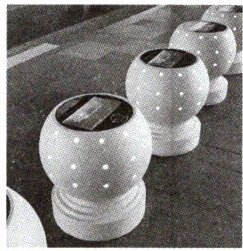
In Longhua district, rows of these bollards stand by the street. Each has a wide flat top for sitting, a screen and a wireless charging spot. You can charge your phone quickly by placing it on the black part—no cables needed! “This is my first time seeing charging bollards!” said a happy user. A tourist added, “I wish my city had these. It makes charging outside so easy!”
Huang Fei from Shenzhen Green Force Tech explained that these smart bollards do more than offer seats. Each weighs 260 kilograms. Besides wireless charging, they have touchscreens that display videos, maps and city information. Using solar energy, they monitor visitor numbers to help nearby shops know peak times. “We keep people’s information safe,” Huang promised. Workers placed 15 bollards here for free. At night, they show public service ads like safety tips.
Some people worried about safety. “Don’t worry,” Huang said. “They are waterproof and use a 12-volt safety voltage. Besides, workers check them often.” The company plans to put these bollards in cities across China. They want to use technology to make city life better for everyone. “Our goal is to show how clever ideas improve cities, making daily life easier with simple solutions,” Huang added.
1. 新素养·情感态度 What is people’s attitude to the smart bollards in paragraph 1?
A. Unhappy.
B. Positive.
C. Uninterested.
2. What are the smart bollards mainly used for?
A. Showing safety tips.
B. Showing videos and maps.
C. Charging phones wirelessly.
3. How do the bollards get power to work?
A. By using solar energy.
B. With batteries changed daily.
C. Through cables underground.
4. How does the company deal with people’s worries?
A. By using low voltages.
B. By showing public service ads.
C. By adding more cable connections.
5. What would be the best title for the passage?
A. Solar Energy’s Future in Cities
B. Charging Phones Without Cables
C. Smart Bollards in Shenzhen
A video showing smart bollards(路桩) in Shenzhen became very popular online recently. These bollards can charge(给……充电) phones wirelessly. People were amazed by this high-tech invention. Many shared photos online, saying the bollards looked cool. Some even called them “the most useful invention ever”.
In Longhua district, rows of these bollards stand by the street. Each has a wide flat top for sitting, a screen and a wireless charging spot. You can charge your phone quickly by placing it on the black part—no cables needed! “This is my first time seeing charging bollards!” said a happy user. A tourist added, “I wish my city had these. It makes charging outside so easy!”
Huang Fei from Shenzhen Green Force Tech explained that these smart bollards do more than offer seats. Each weighs 260 kilograms. Besides wireless charging, they have touchscreens that display videos, maps and city information. Using solar energy, they monitor visitor numbers to help nearby shops know peak times. “We keep people’s information safe,” Huang promised. Workers placed 15 bollards here for free. At night, they show public service ads like safety tips.
Some people worried about safety. “Don’t worry,” Huang said. “They are waterproof and use a 12-volt safety voltage. Besides, workers check them often.” The company plans to put these bollards in cities across China. They want to use technology to make city life better for everyone. “Our goal is to show how clever ideas improve cities, making daily life easier with simple solutions,” Huang added.
1. 新素养·情感态度 What is people’s attitude to the smart bollards in paragraph 1?
A. Unhappy.
B. Positive.
C. Uninterested.
2. What are the smart bollards mainly used for?
A. Showing safety tips.
B. Showing videos and maps.
C. Charging phones wirelessly.
3. How do the bollards get power to work?
A. By using solar energy.
B. With batteries changed daily.
C. Through cables underground.
4. How does the company deal with people’s worries?
A. By using low voltages.
B. By showing public service ads.
C. By adding more cable connections.
5. What would be the best title for the passage?
A. Solar Energy’s Future in Cities
B. Charging Phones Without Cables
C. Smart Bollards in Shenzhen
答案
语篇解读>本文主要介绍了深圳智能路桩的相关情况,包括其受民众欢迎程度、功能、供电方式、应对安全问题的措施等。
1.B 解析 推理判断题。根据“People were amazed by this high-tech invention. Many shared photos online, saying the bollards looked cool. Some even called them ‘the most useful invention ever’.”可知,人们对智能路桩持欢迎的态度。故选B。
2.C 3.A 4.A
5.C 解析 最佳标题题。根据文章内容可知,本文围绕深圳的智能路桩展开,介绍了其受民众欢迎程度、功能、供电方式、应对安全问题的措施等,故“Smart Bollards in Shenzhen”作为标题最合适。故选C。
1.B 解析 推理判断题。根据“People were amazed by this high-tech invention. Many shared photos online, saying the bollards looked cool. Some even called them ‘the most useful invention ever’.”可知,人们对智能路桩持欢迎的态度。故选B。
2.C 3.A 4.A
5.C 解析 最佳标题题。根据文章内容可知,本文围绕深圳的智能路桩展开,介绍了其受民众欢迎程度、功能、供电方式、应对安全问题的措施等,故“Smart Bollards in Shenzhen”作为标题最合适。故选C。
解析
【分析】这是一篇介绍深圳智能路桩的阅读理解题,包含5道小题,分别考查情感态度、细节理解、能源来源、安全措施及主旨大意。解题时需先通读全文把握主旨,再针对各小题定位原文关键信息,结合选项逐一分析排除,选出正确答案。
【解析】1. 第1题:根据第一段“People were amazed by this high-tech invention. Many shared photos online, saying the bollards looked cool. Some even called them ‘the most useful invention ever’.”可知,人们对智能路桩持积极态度,故选B。
2. 第2题:第二段明确提到智能路桩的核心功能是无线充电,其他选项为附加功能,因此主要用途是C。
3. 第3题:第三段指出路桩“Using solar energy”供电,故选A。
4. 第4题:第四段说明应对安全担忧的措施是使用12伏安全电压,对应选项A,故选A。
5. 第5题:文章围绕深圳智能路桩展开,介绍其功能、供电、安全等情况,最佳标题为C,故选C。
【答案】1.B 2.C 3.A 4.A 5.C
【知识点】阅读理解(细节理解)、阅读理解(推理判断)、阅读理解(主旨大意)
【点评】本题贴近生活,围绕科技产品展开,题目多为细节定位和简单推理,难度适中,考查学生快速获取信息及归纳主旨的能力。
【难度系数】0.6
【解析】1. 第1题:根据第一段“People were amazed by this high-tech invention. Many shared photos online, saying the bollards looked cool. Some even called them ‘the most useful invention ever’.”可知,人们对智能路桩持积极态度,故选B。
2. 第2题:第二段明确提到智能路桩的核心功能是无线充电,其他选项为附加功能,因此主要用途是C。
3. 第3题:第三段指出路桩“Using solar energy”供电,故选A。
4. 第4题:第四段说明应对安全担忧的措施是使用12伏安全电压,对应选项A,故选A。
5. 第5题:文章围绕深圳智能路桩展开,介绍其功能、供电、安全等情况,最佳标题为C,故选C。
【答案】1.B 2.C 3.A 4.A 5.C
【知识点】阅读理解(细节理解)、阅读理解(推理判断)、阅读理解(主旨大意)
【点评】本题贴近生活,围绕科技产品展开,题目多为细节定位和简单推理,难度适中,考查学生快速获取信息及归纳主旨的能力。
【难度系数】0.6
