

 登录
登录
情境1 在首次活动中,一位成员分享参加肢体语言课程的体验,交流肢体语言表达情感的有趣瞬间和运用技巧。
任务一 完形填空(10分)
[2025广东云浮期末]Last week, I attended a class about body language. The teacher told us that body language is a way we communicate without using
During the class, we did an activity to show different feelings only by using our
Later, the teacher explained that our body language can sometimes
At the end of the class, I
(
(
(
C. happiness D. illness
(
(
(
(
(
(
C. dance with D. stand with
(
C. fight D. communicate
任务一 完形填空(10分)
[2025广东云浮期末]Last week, I attended a class about body language. The teacher told us that body language is a way we communicate without using
D
1. It usually includes our body movement, facial expressions and so on. I was happy and expected to learn more.During the class, we did an activity to show different feelings only by using our
B
2. For example, when I wanted to express my C
3, I smiled and jumped up and down. My classmates laughed and joined in. It was fun to see how A
4 we understood each other without speaking.Later, the teacher explained that our body language can sometimes
B
5 the wrong messages. For example, crossing our arms can make us look C
6 or unfriendly, even if we are not. She encouraged us to pay attention to how we stand and move when talking to others.At the end of the class, I
D
7 that body language is very important. It can help us make friends and improve our A
8 skills. I promised myself to practice body language every day. Now, when I B
9 someone, I try to keep an open posture (姿势) and smile more. I believe this will help me D
10 better with my friends and teachers. I look forward to using these skills in my daily life.(
D
)1. A. hands B. smiles C. faces D. words(
B
)2. A. eyes B. bodies C. mouths D. feet(
C
)3. A. sadness B. kindnessC. happiness D. illness
(
A
)4. A. quickly B. sadly C. luckily D. quietly(
B
)5. A. write B. send C. draw D. report(
C
)6. A. active B. lovely C. angry D. hungry(
D
)7. A. hoped B. heard C. doubted D. realized(
A
)8. A. social B. musical C. sports D. reading(
B
)9. A. think of B. talk toC. dance with D. stand with
(
D
)10. A. play B. studyC. fight D. communicate
答案
1—5 D B C A B
6—10 C D A B D
1. D 根据常识可知,肢体语言是不通过话语来交流的方式,故选 D 项。
2. B 因为是关于肢体语言的活动,而肢体语言主要通过身体来表达,故选 B 项。
3. C sadness 意为“悲伤”;kindness 意为“善良”;happiness 意为“快乐”;illness 意为“疾病”。根据 I smiled and jumped up and down 可知,微笑和跳起来通常是快乐的表现,故选 C 项。
4. A quickly 意为“快速地”;sadly 意为“悲伤地”;luckily 意为“幸运地”;quietly 意为“安静地”。根据语境可知,此处指大家能够快速地互相理解,故选 A 项。
5. B write 意为“写”;send 意为“发送;传递”;draw 意为“画”;report 意为“报告”。根据后文 the wrong messages 可知,此处指的是肢体语言可能会传递错误的信息,故选 B 项。
6. C 根据 or unfriendly 并结合选项可知,此处表示“生气的”,故选 C 项。
7. D hope 意为“希望”;hear 意为“听到”;doubt 意为“怀疑”;realize 意为“意识到”。根据后文 body language is very important 可知,此处指的是作者意识到肢体语言的重要性,故选 D 项。
8. A 根据 make friends 可知,此处指社交技巧,故选 A 项。
9. B think of 意为“想起”;talk to 意为“和……说话”;dance with 意为“和……跳舞”;stand with 意为“和……站在一起”。根据语境可知,此处指和某人说话,故选 B 项。
10. D 根据前文 I try to keep an open posture and smile more 可知,保持开放的姿势和多微笑有助于交流,故选 D 项。
6—10 C D A B D
1. D 根据常识可知,肢体语言是不通过话语来交流的方式,故选 D 项。
2. B 因为是关于肢体语言的活动,而肢体语言主要通过身体来表达,故选 B 项。
3. C sadness 意为“悲伤”;kindness 意为“善良”;happiness 意为“快乐”;illness 意为“疾病”。根据 I smiled and jumped up and down 可知,微笑和跳起来通常是快乐的表现,故选 C 项。
4. A quickly 意为“快速地”;sadly 意为“悲伤地”;luckily 意为“幸运地”;quietly 意为“安静地”。根据语境可知,此处指大家能够快速地互相理解,故选 A 项。
5. B write 意为“写”;send 意为“发送;传递”;draw 意为“画”;report 意为“报告”。根据后文 the wrong messages 可知,此处指的是肢体语言可能会传递错误的信息,故选 B 项。
6. C 根据 or unfriendly 并结合选项可知,此处表示“生气的”,故选 C 项。
7. D hope 意为“希望”;hear 意为“听到”;doubt 意为“怀疑”;realize 意为“意识到”。根据后文 body language is very important 可知,此处指的是作者意识到肢体语言的重要性,故选 D 项。
8. A 根据 make friends 可知,此处指社交技巧,故选 A 项。
9. B think of 意为“想起”;talk to 意为“和……说话”;dance with 意为“和……跳舞”;stand with 意为“和……站在一起”。根据语境可知,此处指和某人说话,故选 B 项。
10. D 根据前文 I try to keep an open posture and smile more 可知,保持开放的姿势和多微笑有助于交流,故选 D 项。
Earlier, only face-to-face communication was possible, but with the development of 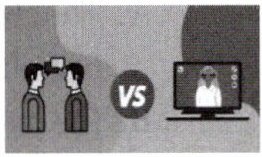 technology, we now have the phone, email, video calls and so on. It has become easier and much cheaper to communicate or have a conversation. We can easily communicate with our loved ones, whether they're close or far away.
Face-to-face communication includes direct personal interaction (互动). Both parties can see each other's body language and facial expressions, and understand them easily, leading to more effective communication. A study has shown that in our day-to-day life when we interact with someone face to face, nonverbal (非言语的) communication is about 93%. In addition, face-to-face communication is more effective in building trust and making deeper connections.
But considering the long distance and time
cost, face-to-face communication may not be the best choice. So telephones and emails are preferred. Without the telephone conversation, some work may be difficult to get done in time. The conversation varies depending on what relationship you have with the caller. For example, it will be informal (非正式的) if you talk to your close friends or relatives. But if you are having a professional telephone conversation, then it will be formal. You must have a lot of practice and confidence to interact with the caller.
Telephone conversations have no nonverbal cues (暗示), but they offer the convenience of communicating from a distance and at any time. Also, as they cannot see each other, both parties can speak without being under pressure.
So, which do you prefer?
(
A. The growth of population.
B. The improvement of education.
C. The development of technology.
(新考法选项选择 What are the advantages of face-to-face communication?
①Building trust.
②Making deeper connections.
③Interacting directly.
④Communicating from a distance.
A. ①②④ B. ①②③ C. ②③④
(
A. 变化 B. 支持 C. 模仿
(
A. The Power of Face-to-face Communication
B. The Strength of Telephone Communication
C. Communication Choices: Face-to-face Communication vs Telephone Communication
technology, we now have the phone, email, video calls and so on. It has become easier and much cheaper to communicate or have a conversation. We can easily communicate with our loved ones, whether they're close or far away.Face-to-face communication includes direct personal interaction (互动). Both parties can see each other's body language and facial expressions, and understand them easily, leading to more effective communication. A study has shown that in our day-to-day life when we interact with someone face to face, nonverbal (非言语的) communication is about 93%. In addition, face-to-face communication is more effective in building trust and making deeper connections.
But considering the long distance and time
cost, face-to-face communication may not be the best choice. So telephones and emails are preferred. Without the telephone conversation, some work may be difficult to get done in time. The conversation varies depending on what relationship you have with the caller. For example, it will be informal (非正式的) if you talk to your close friends or relatives. But if you are having a professional telephone conversation, then it will be formal. You must have a lot of practice and confidence to interact with the caller.
Telephone conversations have no nonverbal cues (暗示), but they offer the convenience of communicating from a distance and at any time. Also, as they cannot see each other, both parties can speak without being under pressure.
So, which do you prefer?
(
C
)11. According to Paragraph 1, what makes communication easier and cheaper?A. The growth of population.
B. The improvement of education.
C. The development of technology.
(
B
)12. ①Building trust.
②Making deeper connections.
③Interacting directly.
④Communicating from a distance.
A. ①②④ B. ①②③ C. ②③④
(
A
)13. What does the underlined word "varies" mean in Paragraph 3?A. 变化 B. 支持 C. 模仿
(
C
)14. What's the best title of the text?A. The Power of Face-to-face Communication
B. The Strength of Telephone Communication
C. Communication Choices: Face-to-face Communication vs Telephone Communication
答案
11—14 C B A C
11. C 细节理解题。根据第一段第一句可知,科技的发展使得沟通变得更容易和更便宜。
12. B 细节理解题。根据第二段可知,面对面沟通的优势包括建立信任、建立更深的联系和直接互动。
13. A 词义猜测题。根据第三段的“The conversation varies depending on what relationship you have with the caller.”可知,谈话内容会随着与来电者关系的变化而变化。所以 varies 在此处的意思是“变化”。
14. C 主旨大意题。根据最后一段“So, which do you prefer?”并通读全文可知,文章主要讨论了面对面沟通和电话沟通的选择及各自的优缺点,故选 C 项。
11. C 细节理解题。根据第一段第一句可知,科技的发展使得沟通变得更容易和更便宜。
12. B 细节理解题。根据第二段可知,面对面沟通的优势包括建立信任、建立更深的联系和直接互动。
13. A 词义猜测题。根据第三段的“The conversation varies depending on what relationship you have with the caller.”可知,谈话内容会随着与来电者关系的变化而变化。所以 varies 在此处的意思是“变化”。
14. C 主旨大意题。根据最后一段“So, which do you prefer?”并通读全文可知,文章主要讨论了面对面沟通和电话沟通的选择及各自的优缺点,故选 C 项。
