

 登录
登录
阅读理解 数字化技术让文物“活起来”
素养:思维品质 难度:难 用时:8分钟
新素材 Ancient art doesn't have to be boring. Technology in the 21st century can help to bring it to life by combining(融合) the best of the old and the new.
Life Along the Bian River at the Pure Brightness Festival
Walking into the China Pavilion at Expo 2010 in Shanghai, people were amazed by seeing a huge digital painting. Scientists digitised(使数字化) the famous painting Life Along the Bian River at the Pure Brightness Festival by Chinese artist Zhang Zeduan.
The original (原作的) painting shows life during the Northern Song Dynasty and it includes many details of ancient Chinese customs, lifestyles and technology.
▲ Farmers work in the fields, sailors move around their boats and people eat and do business in restaurants. Parts of the background are also animated(做成动画). You can see the wind blowing through the trees and across the water. These animations perfectly combine modern technology and ancient art.
Digital technology allows today's artists to express their ideas in ways that ancient artists would not believe possible. Techniques such as animation and 3-D digital projection(投影) make art come alive.
Dunhuang Cave Paintings
Dunhuang Caves, which are protected ancient treasures in the Gobi Desert in Northwest China, are filled with paintings and sculptures with lasting value. This artwork was created over a period of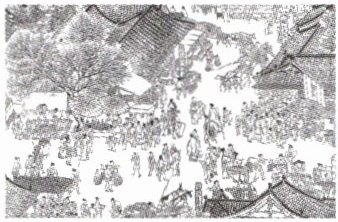
around 1,000 years.
The good news is for art lovers who cannot travel and for the caves. Scientists have created a 360-degree, 3-D digital projection of the caves, which makes the artwork come alive. There is also a function(功能) that lets viewers enjoy the paintings and sculptures in greater detail.
Digitising ancient art allows us to explore the ancient practices. It also makes the whole world understand the art while protecting the original artworks for the future.
1. What can we know from the passage?
A. Both of the two artworks use 3-D digital projection.
B. Ancient art allows people to explore the modern technology.
C. People can't go to Dunhuang to enjoy paintings and sculptures now.
D. The digital painting Life Along the Bian River at the Pure Brightness Festival was created by Zhang Zeduan.
2. 新考法·信息还原题 Which sentence may be the best to fill in the "▲"?
A. In the digital painting, a lot of these details are animated.
B. In the digital painting, a lot of these scenes are well known.
C. In the digital painting, more details of the art can be enjoyed.
D. In the digital painting, many different styles of art can be seen.
3. What can be the best title for the passage?
A. Enjoying Ancient Art
B. Protecting Modern Technology
C. Digitising Ancient Art
D. Understanding Modern Technology
素养:思维品质 难度:难 用时:8分钟
新素材 Ancient art doesn't have to be boring. Technology in the 21st century can help to bring it to life by combining(融合) the best of the old and the new.
Life Along the Bian River at the Pure Brightness Festival
Walking into the China Pavilion at Expo 2010 in Shanghai, people were amazed by seeing a huge digital painting. Scientists digitised(使数字化) the famous painting Life Along the Bian River at the Pure Brightness Festival by Chinese artist Zhang Zeduan.
The original (原作的) painting shows life during the Northern Song Dynasty and it includes many details of ancient Chinese customs, lifestyles and technology.
▲ Farmers work in the fields, sailors move around their boats and people eat and do business in restaurants. Parts of the background are also animated(做成动画). You can see the wind blowing through the trees and across the water. These animations perfectly combine modern technology and ancient art.
Digital technology allows today's artists to express their ideas in ways that ancient artists would not believe possible. Techniques such as animation and 3-D digital projection(投影) make art come alive.
Dunhuang Cave Paintings
Dunhuang Caves, which are protected ancient treasures in the Gobi Desert in Northwest China, are filled with paintings and sculptures with lasting value. This artwork was created over a period of
around 1,000 years.
The good news is for art lovers who cannot travel and for the caves. Scientists have created a 360-degree, 3-D digital projection of the caves, which makes the artwork come alive. There is also a function(功能) that lets viewers enjoy the paintings and sculptures in greater detail.
Digitising ancient art allows us to explore the ancient practices. It also makes the whole world understand the art while protecting the original artworks for the future.
1. What can we know from the passage?
A. Both of the two artworks use 3-D digital projection.
B. Ancient art allows people to explore the modern technology.
C. People can't go to Dunhuang to enjoy paintings and sculptures now.
D. The digital painting Life Along the Bian River at the Pure Brightness Festival was created by Zhang Zeduan.
2. 新考法·信息还原题 Which sentence may be the best to fill in the "▲"?
A. In the digital painting, a lot of these details are animated.
B. In the digital painting, a lot of these scenes are well known.
C. In the digital painting, more details of the art can be enjoyed.
D. In the digital painting, many different styles of art can be seen.
3. What can be the best title for the passage?
A. Enjoying Ancient Art
B. Protecting Modern Technology
C. Digitising Ancient Art
D. Understanding Modern Technology
答案
【解题导语】 本文以《清明上河图》和敦煌壁画为例,介绍了数字化技术在展示中国古代艺术作品方面的应用。
1. A
2. A
3. C
1. A
2. A
3. C
解析
【分析】
本题为阅读理解题,需先通读全文把握主旨,再针对每道小题,将选项与原文内容逐一比对,排除错误选项,选出符合原文的答案。第1题是细节理解题,需定位各选项对应原文判断正误;第2题是信息还原题,需结合上下文逻辑,选择能衔接前后内容的句子;第3题是主旨大意题,需概括全文核心内容确定标题。
【解析】
1. 细节理解题:
选项A:《清明上河图》运用了动画技术,敦煌壁画运用了3D数字投影,二者均使用数字化技术,符合原文,正确。
选项B:原文提到“Digitising ancient art allows us to explore the ancient practices”,并非古代艺术让人们探索现代技术,错误。
选项C:原文说明数字化技术可让无法前往敦煌的人欣赏,并非现在不能去敦煌,错误。
选项D:张择端是《清明上河图》原作作者,数字绘画由科学家制作,错误。故选A。
2. 信息还原题:
空格前说明原作包含诸多细节,空格后具体描述了数字绘画中动画呈现的场景(农民劳作、水手行船、背景动画等),A选项“在数字绘画中,很多这些细节被做成动画”能衔接上下文,符合逻辑,故选A。
3. 主旨大意题:
全文以《清明上河图》和敦煌壁画为例,介绍数字化技术在古代艺术中的应用,核心是“数字化古代艺术”,故选C。
【答案】
1. A 2. A 3. C
【知识点】
阅读理解,细节理解,主旨大意
【点评】
本题围绕数字化技术与古代艺术的融合展开,考查学生的细节定位、逻辑衔接及主旨概括能力,需准确把握原文信息,区分易混淆选项。
【难度系数】
0.2
本题为阅读理解题,需先通读全文把握主旨,再针对每道小题,将选项与原文内容逐一比对,排除错误选项,选出符合原文的答案。第1题是细节理解题,需定位各选项对应原文判断正误;第2题是信息还原题,需结合上下文逻辑,选择能衔接前后内容的句子;第3题是主旨大意题,需概括全文核心内容确定标题。
【解析】
1. 细节理解题:
选项A:《清明上河图》运用了动画技术,敦煌壁画运用了3D数字投影,二者均使用数字化技术,符合原文,正确。
选项B:原文提到“Digitising ancient art allows us to explore the ancient practices”,并非古代艺术让人们探索现代技术,错误。
选项C:原文说明数字化技术可让无法前往敦煌的人欣赏,并非现在不能去敦煌,错误。
选项D:张择端是《清明上河图》原作作者,数字绘画由科学家制作,错误。故选A。
2. 信息还原题:
空格前说明原作包含诸多细节,空格后具体描述了数字绘画中动画呈现的场景(农民劳作、水手行船、背景动画等),A选项“在数字绘画中,很多这些细节被做成动画”能衔接上下文,符合逻辑,故选A。
3. 主旨大意题:
全文以《清明上河图》和敦煌壁画为例,介绍数字化技术在古代艺术中的应用,核心是“数字化古代艺术”,故选C。
【答案】
1. A 2. A 3. C
【知识点】
阅读理解,细节理解,主旨大意
【点评】
本题围绕数字化技术与古代艺术的融合展开,考查学生的细节定位、逻辑衔接及主旨概括能力,需准确把握原文信息,区分易混淆选项。
【难度系数】
0.2
Having an art appreciation session
Step 1 Choose an artwork, either from this unit or from elsewhere, and write down your answers to the four questions. You may search the internet for more information.
(1) What can you see?
(2) How does it make you feel?
(3) What do you think?
(4) What do you know about the artwork and the artist?
Step 2 When you are ready, show a picture of the artwork to the class, explain its historical background and share your personal thoughts about it.
Step 3 When everyone has shared their artworks, put the pictures up on the wall to create an art exhibition in the classroom.
Step 1 Choose an artwork, either from this unit or from elsewhere, and write down your answers to the four questions. You may search the internet for more information.
(1) What can you see?
(2) How does it make you feel?
(3) What do you think?
(4) What do you know about the artwork and the artist?
Step 2 When you are ready, show a picture of the artwork to the class, explain its historical background and share your personal thoughts about it.
Step 3 When everyone has shared their artworks, put the pictures up on the wall to create an art exhibition in the classroom.
答案
我们选取经典名画《蒙娜丽莎》作为鉴赏对象,对应完成全部任务内容如下:
(1) What can you see?
I can see a gentle lady with a soft, faint smile sitting on a balcony. Misty mountains, quiet paths and a calm river make up the background. The lady wears simple elegant clothes without any fancy jewellery, and her eyes seem to follow you no matter which direction you move to.
(2) How does it make you feel?
Her soft smile makes me feel warm and peaceful. The soft, hazy colour tone of the whole painting makes me feel like I am standing right in front of her, communicating with this lady who lived hundreds of years ago, which feels really amazing.
(3) What do you think?
I think this painting is really magical. The lady's smile looks different when you watch her from different angles, it changes subtly if you look at her directly or glance at her from the side. The painter used superb skills to make the portrait so lively, it is absolutely a world-famous masterpiece.
(4) What do you know about the artwork and the artist?
This artwork is *Mona Lisa*, one of the most famous paintings across the world. It was finished by the great Italian artist Leonardo da Vinci during the Renaissance, and he spent nearly 16 years working on this painting. The lady in the portrait was the wife of a local businessman in Florence, and the painting is now kept in the Louvre Museum in Paris.
Step 2 班级展示补充内容:
Its historical background: This work was created in the European Renaissance, a special period when people began to value the beauty and dignity of ordinary people, instead of only focusing on religious themes. That's why the portrait of a common lady can be so vivid and touching. My personal thought is that this great artwork proves art can cross hundreds of years, and it still brings us special warm feelings even today.
Step 3 集体实践:等所有同学都完成自己的作品分享后,把所有人准备的艺术作品图片统一张贴在教室墙面上,就可以搭建出属于全班的小型班级艺术展。
(1) What can you see?
I can see a gentle lady with a soft, faint smile sitting on a balcony. Misty mountains, quiet paths and a calm river make up the background. The lady wears simple elegant clothes without any fancy jewellery, and her eyes seem to follow you no matter which direction you move to.
(2) How does it make you feel?
Her soft smile makes me feel warm and peaceful. The soft, hazy colour tone of the whole painting makes me feel like I am standing right in front of her, communicating with this lady who lived hundreds of years ago, which feels really amazing.
(3) What do you think?
I think this painting is really magical. The lady's smile looks different when you watch her from different angles, it changes subtly if you look at her directly or glance at her from the side. The painter used superb skills to make the portrait so lively, it is absolutely a world-famous masterpiece.
(4) What do you know about the artwork and the artist?
This artwork is *Mona Lisa*, one of the most famous paintings across the world. It was finished by the great Italian artist Leonardo da Vinci during the Renaissance, and he spent nearly 16 years working on this painting. The lady in the portrait was the wife of a local businessman in Florence, and the painting is now kept in the Louvre Museum in Paris.
Step 2 班级展示补充内容:
Its historical background: This work was created in the European Renaissance, a special period when people began to value the beauty and dignity of ordinary people, instead of only focusing on religious themes. That's why the portrait of a common lady can be so vivid and touching. My personal thought is that this great artwork proves art can cross hundreds of years, and it still brings us special warm feelings even today.
Step 3 集体实践:等所有同学都完成自己的作品分享后,把所有人准备的艺术作品图片统一张贴在教室墙面上,就可以搭建出属于全班的小型班级艺术展。
解析
【分析】
这是一道艺术鉴赏实践类题目,解题思路为:1. 选取知名度高、资料详实的经典艺术作品(如《蒙娜丽莎》),确保能覆盖各环节要求;2. 按Step1的四个问题,从视觉观察、个人感受、作品评价、背景知识四个维度逐一作答;3. 补充Step2要求的作品历史背景和个人思考,完成班级展示准备;4. 落实Step3的班级艺术展布置步骤。
【解析】
选取经典名画《蒙娜丽莎》完成所有任务:Step1:(1)视觉描述:能看到带柔和淡笑的女士坐于阳台,背景是朦胧山水,女士着简约优雅服饰,眼神似随观者移动;(2)感受:微笑带来温暖平和,朦胧色调让人有身临其境的交流感;(3)评价:画作神奇,微笑随视角变化,画家技艺高超,是世界名作;(4)背景:作品为《蒙娜丽莎》,达芬奇创作于文艺复兴时期,耗时近16年,画中人物是佛罗伦萨商人妻子,现藏卢浮宫。Step2:展示补充:历史背景为文艺复兴重视普通人的美而非仅宗教主题,个人想法是艺术能跨越百年传递温暖。Step3:所有同学分享后,将作品图片张贴在教室墙面搭建班级艺术展。
【答案】
我们选取经典名画《蒙娜丽莎》作为鉴赏对象,对应完成全部任务内容如下:(1) What can you see? I can see a gentle lady with a soft, faint smile sitting on a balcony. Misty mountains, quiet paths and a calm river make up the background. The lady wears simple elegant clothes without any fancy jewellery, and her eyes seem to follow you no matter which direction you move to.(2) How does it make you feel? Her soft smile makes me feel warm and peaceful. The soft, hazy colour tone of the whole painting makes me feel like I am standing right in front of her, communicating with this lady who lived hundreds of years ago, which feels really amazing.(3) What do you think? I think this painting is really magical. The lady's smile looks different when you watch her from different angles, it changes subtly if you look at her directly or glance at her from the side. The painter used superb skills to make the portrait so lively, it is absolutely a world-famous masterpiece.(4) What do you know about the artwork and the artist? This artwork is *Mona Lisa*, one of the most famous paintings across the world. It was finished by the great Italian artist Leonardo da Vinci during the Renaissance, and he spent nearly 16 years working on this painting. The lady in the portrait was the wife of a local businessman in Florence, and the painting is now kept in the Louvre Museum in Paris.Step 2 班级展示补充内容:Its historical background: This work was created in the European Renaissance, a special period when people began to value the beauty and dignity of ordinary people, instead of only focusing on religious themes. That's why the portrait of a common lady can be so vivid and touching. My personal thought is that this great artwork proves art can cross hundreds of years, and it still brings us special warm feelings even today.Step 3 集体实践:等所有同学都完成自己的作品分享后,把所有人准备的艺术作品图片统一张贴在教室墙面上,就可以搭建出属于全班的小型班级艺术展。
【知识点】
艺术鉴赏、文艺复兴艺术、绘画赏析
【点评】
本题为实践类艺术作业,既锻炼学生的艺术观察能力,又能提升其表达与分享能力,通过班级展览还能增强集体参与感,兼具知识性与趣味性。
【难度系数】
0.5
这是一道艺术鉴赏实践类题目,解题思路为:1. 选取知名度高、资料详实的经典艺术作品(如《蒙娜丽莎》),确保能覆盖各环节要求;2. 按Step1的四个问题,从视觉观察、个人感受、作品评价、背景知识四个维度逐一作答;3. 补充Step2要求的作品历史背景和个人思考,完成班级展示准备;4. 落实Step3的班级艺术展布置步骤。
【解析】
选取经典名画《蒙娜丽莎》完成所有任务:Step1:(1)视觉描述:能看到带柔和淡笑的女士坐于阳台,背景是朦胧山水,女士着简约优雅服饰,眼神似随观者移动;(2)感受:微笑带来温暖平和,朦胧色调让人有身临其境的交流感;(3)评价:画作神奇,微笑随视角变化,画家技艺高超,是世界名作;(4)背景:作品为《蒙娜丽莎》,达芬奇创作于文艺复兴时期,耗时近16年,画中人物是佛罗伦萨商人妻子,现藏卢浮宫。Step2:展示补充:历史背景为文艺复兴重视普通人的美而非仅宗教主题,个人想法是艺术能跨越百年传递温暖。Step3:所有同学分享后,将作品图片张贴在教室墙面搭建班级艺术展。
【答案】
我们选取经典名画《蒙娜丽莎》作为鉴赏对象,对应完成全部任务内容如下:(1) What can you see? I can see a gentle lady with a soft, faint smile sitting on a balcony. Misty mountains, quiet paths and a calm river make up the background. The lady wears simple elegant clothes without any fancy jewellery, and her eyes seem to follow you no matter which direction you move to.(2) How does it make you feel? Her soft smile makes me feel warm and peaceful. The soft, hazy colour tone of the whole painting makes me feel like I am standing right in front of her, communicating with this lady who lived hundreds of years ago, which feels really amazing.(3) What do you think? I think this painting is really magical. The lady's smile looks different when you watch her from different angles, it changes subtly if you look at her directly or glance at her from the side. The painter used superb skills to make the portrait so lively, it is absolutely a world-famous masterpiece.(4) What do you know about the artwork and the artist? This artwork is *Mona Lisa*, one of the most famous paintings across the world. It was finished by the great Italian artist Leonardo da Vinci during the Renaissance, and he spent nearly 16 years working on this painting. The lady in the portrait was the wife of a local businessman in Florence, and the painting is now kept in the Louvre Museum in Paris.Step 2 班级展示补充内容:Its historical background: This work was created in the European Renaissance, a special period when people began to value the beauty and dignity of ordinary people, instead of only focusing on religious themes. That's why the portrait of a common lady can be so vivid and touching. My personal thought is that this great artwork proves art can cross hundreds of years, and it still brings us special warm feelings even today.Step 3 集体实践:等所有同学都完成自己的作品分享后,把所有人准备的艺术作品图片统一张贴在教室墙面上,就可以搭建出属于全班的小型班级艺术展。
【知识点】
艺术鉴赏、文艺复兴艺术、绘画赏析
【点评】
本题为实践类艺术作业,既锻炼学生的艺术观察能力,又能提升其表达与分享能力,通过班级展览还能增强集体参与感,兼具知识性与趣味性。
【难度系数】
0.5
