

 登录
C
KEY→P32
范畴:人与自我 主题:劳动实践 体裁:议论文 难度:★★★★ 建议用时:8分钟 评价:/4
① The charity Parentkind made a survey among about 6,000 UK parents and found that fewer than half of children under the age of 15 help with chores. The most common chore that children usually do is tidying their bedrooms. Then come making their beds, cleaning around the home and doing the dishes.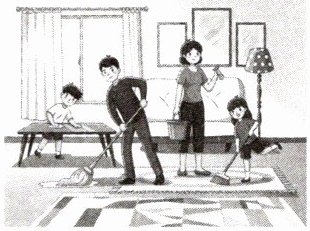
② Yet Jason Elsom, the head of Parentkind, believes that children benefit from doing certain housework. “Chores are the first lessons in teamwork, responsibility and self-reliance,” he said. Helping out around the house teaches children important life skills. It will help make them feel more independent and confident when they're older.
③ Besides, looking after a home should be a team effort. Adults already have lots to do, so children should help them out. Moreover, doing chores together can be fun, especially if they make a game out of it. It also shows children's care for other people.
④ However, some people argue that children already have lots of other things they need to do, such as homework, activities and clubs. Doing chores on top of all that could make them feel stressed and tired. And free time is for relaxing, playing, exploring and hanging out with friends, not for doing boring housework. Besides, children might not know how to do the housework as well as adults. It could take them a long time to do it, or they might not do it properly. Some adults might have to do some of the tasks, which would take twice as long. It would just be easier and quicker for the adults to do it themselves instead.
⑤ What do you think? Should children help around the house?
(
A. Making their beds. B. Cleaning around the home.
C. Doing the dishes. D. Tidying their bedrooms.
(
A. Doing chores. B. Playing games. C. Children's care. D. Having lessons.
(
A. Benefits of doing chores. B. Advice on how to do chores.
C. Reasons for not doing chores. D. Examples of meaningful chores.
(

KEY→P32
范畴:人与自我 主题:劳动实践 体裁:议论文 难度:★★★★ 建议用时:8分钟 评价:/4
① The charity Parentkind made a survey among about 6,000 UK parents and found that fewer than half of children under the age of 15 help with chores. The most common chore that children usually do is tidying their bedrooms. Then come making their beds, cleaning around the home and doing the dishes.
② Yet Jason Elsom, the head of Parentkind, believes that children benefit from doing certain housework. “Chores are the first lessons in teamwork, responsibility and self-reliance,” he said. Helping out around the house teaches children important life skills. It will help make them feel more independent and confident when they're older.
③ Besides, looking after a home should be a team effort. Adults already have lots to do, so children should help them out. Moreover, doing chores together can be fun, especially if they make a game out of it. It also shows children's care for other people.
④ However, some people argue that children already have lots of other things they need to do, such as homework, activities and clubs. Doing chores on top of all that could make them feel stressed and tired. And free time is for relaxing, playing, exploring and hanging out with friends, not for doing boring housework. Besides, children might not know how to do the housework as well as adults. It could take them a long time to do it, or they might not do it properly. Some adults might have to do some of the tasks, which would take twice as long. It would just be easier and quicker for the adults to do it themselves instead.
⑤ What do you think? Should children help around the house?
(
D
)1. According to the survey, what's the most common chore children do?A. Making their beds. B. Cleaning around the home.
C. Doing the dishes. D. Tidying their bedrooms.
(
A
)2. 新考法·代词指代 What does the underlined word “It” in Paragraph 3 refer to?A. Doing chores. B. Playing games. C. Children's care. D. Having lessons.
(
C
)3. What does Paragraph 4 mainly talk about?A. Benefits of doing chores. B. Advice on how to do chores.
C. Reasons for not doing chores. D. Examples of meaningful chores.
(
B
)4. What's the structure of this text?答案
文章主要通过调查数据呈现英国15岁以下儿童做家务的现状,分别阐述孩子做家务的好处与反对理由,最后引发读者思考是否应让孩子做家务。
1. D 细节理解题。根据第一段中“The most common chore that children usually do is tidying their bedrooms. ”可知,调查显示孩子最常做的家务是整理卧室。
2. A 代词指代题。根据第三段中“Moreover, doing chores together can be fun, especially if they make a game out of it. It also shows children's care for other people. ”可知,It指代前文提到的做家务这件事。
3. C 段落大意题。根据第四段“However, some people argue that children already have lots of other things they need to do ... It would just be easier and quicker for the adults to do it themselves instead. ”可知,第四段主要讲反对孩子做家务的理由。
4. B 篇章结构题。结合全文可知,文章第一段用调查引出孩子做家务的现状;第二、三段讲做家务的好处;第四段讲反对孩子做家务的理由;第五段提问引发思考。所以B项符合本文结构。
