

 登录
登录
自然生态
人与自然
Monday/Week 12
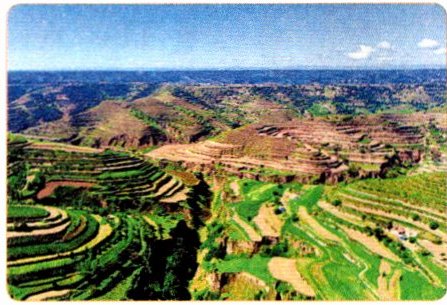
he Loess Plateau in China was once one of
the most environmentally damaged (损坏
的) places in the world. A plateau is a high,
flat area. This area is larger than France and home to over
100 million people.
In the past, people
farmed, let animals eat
grass, and cut down trees.
These activities made it
hard to grow crops there. Now, a new study shows that a
project called Grain for Green (退耕还林) has helped fix
the problem. The project began in 1999.
Grain for Green did several things. It stopped people
from cutting down trees and letting animals eat too much
grass. It also gave farmers money to plant trees and grass.
By 2016, about 30,000 square kilometers of land were
turned into forests and grasslands. And the number of
plant life grew by 25%. As a result, animals and birds
started to come back. *"When the environment got better,
many birds returned," said Yan Rufeng, an expert on the
environment.
Not all local people wanted to make the
changes,
plants and animals. It teaches the world a lesson: damaged
ecosystems can be brought back to life. This success has
made local people's lives better. It also gives the world a
good example of how to fix the damaged environment.
▷题型: 阅读理解
▷主题: 环境保护
▷语篇类型: 说明文
▷词数: 222
▷难度:
▷建议用时: 6分钟
1 What do we know about today's
Loess Plateau in China?
① It's as large as France.
② There are many plants there.
③ Over 100 million people live there.
④ It's badly environmentally damaged.
A. ①② B. ②③
C. ①③ D. ②④
2 What made it hard to grow crops on
the Loess Plateau in the past?
A. The poor earth.
B. The bad weather.
C. The shortage of water.
D. The people's activities.
3 What does the underlined word "It"
in Paragraph 3 mean?
A. A new study.
B. Grain for Green.
C. Too much grass.
D. Cutting down trees.
4 Which of the following can be put in
the ""?
A. so the project was stopped
B. and the project finally failed
C. but the project worked well
D. for the project was too difficult
5 Which is the best title for the
passage?
A. Local people's lives change greatly
B. The world learns from Chinese
farmers
C. The Grain for Green project works
quickly
D. Damaged environment returns to
full health
人与自然
Monday/Week 12
he Loess Plateau in China was once one of
the most environmentally damaged (损坏
的) places in the world. A plateau is a high,
flat area. This area is larger than France and home to over
100 million people.
In the past, people
farmed, let animals eat
grass, and cut down trees.
These activities made it
hard to grow crops there. Now, a new study shows that a
project called Grain for Green (退耕还林) has helped fix
the problem. The project began in 1999.
Grain for Green did several things. It stopped people
from cutting down trees and letting animals eat too much
grass. It also gave farmers money to plant trees and grass.
By 2016, about 30,000 square kilometers of land were
turned into forests and grasslands. And the number of
plant life grew by 25%. As a result, animals and birds
started to come back. *"When the environment got better,
many birds returned," said Yan Rufeng, an expert on the
environment.
Not all local people wanted to make the
changes,
C
. The land is now the lively home forplants and animals. It teaches the world a lesson: damaged
ecosystems can be brought back to life. This success has
made local people's lives better. It also gives the world a
good example of how to fix the damaged environment.
▷题型: 阅读理解
▷主题: 环境保护
▷语篇类型: 说明文
▷词数: 222
▷难度:
▷建议用时: 6分钟
1 What do we know about today's
Loess Plateau in China?
① It's as large as France.
② There are many plants there.
③ Over 100 million people live there.
④ It's badly environmentally damaged.
A. ①② B. ②③
C. ①③ D. ②④
2 What made it hard to grow crops on
the Loess Plateau in the past?
A. The poor earth.
B. The bad weather.
C. The shortage of water.
D. The people's activities.
3 What does the underlined word "It"
in Paragraph 3 mean?
A. A new study.
B. Grain for Green.
C. Too much grass.
D. Cutting down trees.
4 Which of the following can be put in
the ""?
A. so the project was stopped
B. and the project finally failed
C. but the project worked well
D. for the project was too difficult
5 Which is the best title for the
passage?
A. Local people's lives change greatly
B. The world learns from Chinese
farmers
C. The Grain for Green project works
quickly
D. Damaged environment returns to
full health
答案
Monday
黄土高原的生态系统曾遭严重破坏。1999年“退耕还林”工程通过禁伐禁牧、资助种树种草等政策,使环境改善、动植物回归,生态修复成效显著,为全球提供了修复受损环境的典范。
1. B 细节理解题。由第一段最后一句可知,那里是1亿多人的家园。由第三段第四、五句可知,约3万平方千米的土地变成了森林和草原,植物的数量增长了25%,即那里现在有许多植物。
2. D 细节理解题。由第二段第一、二句可知,是人类的活动使在该地区无法种植作物。
3. B 词义猜测题。由第三段第一句“‘退耕还林’实施了几项措施”可知,此处It与上一句It并列,均指代“退耕还林”工程,分别说明其采取的措施。
4. C 推理判断题。由上文“并非所有当地人都愿意做出这些改变”与下文“这片土地如今成了动植物生机勃勃的家园”可知,此处表示转折:但是这项工程成效显著。
5. D 主旨大意题。通读全文可知,本文介绍了生态系统曾遭严重破坏的黄土高原,在“退耕还林”工程的政策下,恢复健康,动植物重新回归,为全球如何恢复受损环境提供了典范。由此可推知,“受损环境恢复完全健康”适合作标题。
黄土高原的生态系统曾遭严重破坏。1999年“退耕还林”工程通过禁伐禁牧、资助种树种草等政策,使环境改善、动植物回归,生态修复成效显著,为全球提供了修复受损环境的典范。
1. B 细节理解题。由第一段最后一句可知,那里是1亿多人的家园。由第三段第四、五句可知,约3万平方千米的土地变成了森林和草原,植物的数量增长了25%,即那里现在有许多植物。
2. D 细节理解题。由第二段第一、二句可知,是人类的活动使在该地区无法种植作物。
3. B 词义猜测题。由第三段第一句“‘退耕还林’实施了几项措施”可知,此处It与上一句It并列,均指代“退耕还林”工程,分别说明其采取的措施。
4. C 推理判断题。由上文“并非所有当地人都愿意做出这些改变”与下文“这片土地如今成了动植物生机勃勃的家园”可知,此处表示转折:但是这项工程成效显著。
5. D 主旨大意题。通读全文可知,本文介绍了生态系统曾遭严重破坏的黄土高原,在“退耕还林”工程的政策下,恢复健康,动植物重新回归,为全球如何恢复受损环境提供了典范。由此可推知,“受损环境恢复完全健康”适合作标题。
