

 登录
B
Nowadays, the phrase "Love Yourself, Laoji" is popular among young people. It means caring for yourself in easy ways.
Many teens feel stressed(有压力的) because of schoolwork and daily life. When they feel down, most students often wait for others' help, like their parents or friends. But "Love Yourself, Laoji" tells them a different idea: be your own helper. Self-care doesn't cost much at all. You can buy a cheap snack you like, take a walk after class, or just sit quietly by the window for a few minutes. These small acts can cheer you up easily with little time or money.
This phrase also shows that young people are learning to care about their own feelings and know themselves better. They don't need to always please others or wait for others to love them. So they choose to look after themselves first. When you feel happy and relaxed, you can better face problems in study and life, and even be able to help others around you.
Of course, true self-care doesn't mean being lazy or thinking only about yourself. It's about balancing (平衡) your own needs and daily duties, like finishing homework on time. Maybe "Love Yourself, Laoji" will be out of fashion one day, but its spirit will stay:
1. Which part of a magazine is the text from?
A. Sports.
B. Travel.
C. History.
D. Life.
2. What does the underlined phrase "cheer you up" in Paragraph 2 mean?
A. Make you feel tired.
B. Make you feel happy.
C. Help you manage time.
D. Teach you to save money.
3. What is an easy way to care for yourself according to the passage?
A. Having a few minutes of quiet time.
B. Buying an expensive gift for yourself.
C. Waiting for others to help or love you.
D. Spending much time playing outside.
4. Which of the following is suitable for "▲" in Paragraph 4?
A. Forget about all the problems and duties.
B. Spend much money to make ourselves happy.
C. Think about others before caring for ourselves.
D. Be kind to ourselves and find peace in our hearts.
Nowadays, the phrase "Love Yourself, Laoji" is popular among young people. It means caring for yourself in easy ways.
Many teens feel stressed(有压力的) because of schoolwork and daily life. When they feel down, most students often wait for others' help, like their parents or friends. But "Love Yourself, Laoji" tells them a different idea: be your own helper. Self-care doesn't cost much at all. You can buy a cheap snack you like, take a walk after class, or just sit quietly by the window for a few minutes. These small acts can cheer you up easily with little time or money.
This phrase also shows that young people are learning to care about their own feelings and know themselves better. They don't need to always please others or wait for others to love them. So they choose to look after themselves first. When you feel happy and relaxed, you can better face problems in study and life, and even be able to help others around you.
Of course, true self-care doesn't mean being lazy or thinking only about yourself. It's about balancing (平衡) your own needs and daily duties, like finishing homework on time. Maybe "Love Yourself, Laoji" will be out of fashion one day, but its spirit will stay:
D
▲1. Which part of a magazine is the text from?
A. Sports.
B. Travel.
C. History.
D. Life.
2. What does the underlined phrase "cheer you up" in Paragraph 2 mean?
A. Make you feel tired.
B. Make you feel happy.
C. Help you manage time.
D. Teach you to save money.
3. What is an easy way to care for yourself according to the passage?
A. Having a few minutes of quiet time.
B. Buying an expensive gift for yourself.
C. Waiting for others to help or love you.
D. Spending much time playing outside.
4. Which of the following is suitable for "▲" in Paragraph 4?
A. Forget about all the problems and duties.
B. Spend much money to make ourselves happy.
C. Think about others before caring for ourselves.
D. Be kind to ourselves and find peace in our hearts.
答案
B
【语篇导读】本文介绍流行语“爱你,老己”的含义与意义,倡导年轻人通过简单方式关爱自己、调节情绪,平衡自我需求与日常责任。
1. D 提示:推理判断题。文章围绕“Love Yourself, Laoji”这一流行语展开,讲述了年轻人如何通过简单方式关爱自己、缓解压力,属于日常生活话题,因此最可能出自杂志的“生活”版块。
2. B 提示:词义猜测题。根据画线短语所在句前一句“You can buy a cheap snack you like, take a walk after class, or just sit quietly by the window for a few minutes.”并结合前文可知,买喜欢的零食、课后散步、安静靠窗坐几分钟这些关爱自我的小事可以让人感到轻松、愉悦,由此推知,画线短语 cheer you up 意为“让你开心”。
3. A 提示:细节理解题。根据第二段倒数第二句“You can buy a cheap snack you like, take a walk after class, or just sit quietly by the window for a few minutes.”可知,“安静地坐几分钟”属于关爱自我的简易方式。
4. D 提示:推理判断题。最后一段强调真正的自我关爱不是懒惰或自私,而是平衡自我需求与日常责任。结合上文提到的“关爱自己”可知,D项“善待自己,找到内心的平静”最适合置于空处。
长难句分析
This phrase also shows that young people are learning to care about their own feelings and know themselves better.
译文:这个短语也表明,年轻人正学着关照他们自己的情绪,并更好地了解他们自己。
分析:本句是主从复合句。
主句:This phrase also shows。
宾语从句:young people are learning to care about their own feelings and know themselves better,该从句主语是 young people,谓语是 are learning,宾语是 and 连接的并列结构 to care about their own feelings and know themselves better。
解析
【分析】
本题为英语阅读理解题,涵盖细节理解、词义猜测、推理判断三类题型。解题思路:1. 第1题需结合文章核心话题(年轻人自我关爱)判断杂志版块,通过话题属性匹配选项;2. 第2题需依据画线短语所在句的上下文(自我关爱的小事对情绪的影响)推断短语含义;3. 第3题需定位原文提及的简易自我关爱方式,直接匹配对应选项;4. 第4题需结合最后一段主旨(真正的自我关爱是平衡需求与责任),选择符合主旨的补全内容。
【解析】
1. 第1题:文章围绕流行语“Love Yourself, Laoji”展开,讲述年轻人通过简单方式关爱自己、缓解压力,属于日常生活话题,因此最可能出自杂志的“生活”版块,答案为D。
2. 第2题:画线短语所在句提到买便宜零食、课后散步、安静靠窗坐几分钟等自我关爱的小事,结合前文“feel down”(情绪低落),可推知这些事能让人开心,故“cheer you up”意为“让你开心”,答案为B。
3. 第3题:根据第二段倒数第二句“You can buy a cheap snack you like, take a walk after class, or just sit quietly by the window for a few minutes.”可知,“安静地坐几分钟”是简易的自我关爱方式,答案为A。
4. 第4题:最后一段强调真正的自我关爱不是懒惰或自私,而是平衡自我需求与日常责任,结合上文“关爱自己”的主旨,D项“善待自己,找到内心的平静”最符合语境,答案为D。
【答案】
1.D 2.B 3.A 4.D
【知识点】
英语阅读理解、词义猜测、推理判断
【点评】
本文是贴近学生生活的生活类说明文,以流行语“爱你,老己”为切入点,考查学生的阅读理解核心能力,涵盖基础阅读题型,引导学生理解自我关爱的意义,难度适中。
【难度系数】
0.6
一、完形填空
Rita was in the shopping mall, looking for a gift for her little daughter. Suddenly she
“Why not buy a lovely doll?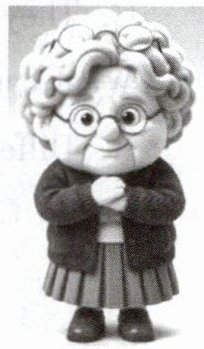 little girl, she got the first doll from her mother for her birthday. She was very happy. Then the second, the third. . . Rita began to feel puzzled(疑惑的). When she asked her mum the reason, the answer was always, “A girl can
“But why always a doll?” This question had been in Rita’s mind until her
When her mother was a little girl, she
Her mother’s story touched(触动) her heart. Rita had an idea. . .
It was her mother’s sixtieth birthday. The whole family stood
Dear
I forgot to send you the package that you should have received on May 20, 1970, your fifth birthday. The gift inside has become old, but I feel that you may still wish to have it.
Love,
Angel of Joy
Linda opened the package and saw a lovely grandma doll. She held the doll that she had waited so many
1. A. arrived B. relaxed C. stopped D. went
2. A. Girls B. Boys C. Students D. People
3. A. purple B. grey C. blue D. pink
4. A. always B. sometimes C. often D. never
5. A. grew up B. enjoyed herself C. stood out D. got up
6. A. daughter B. mother C. father D. son
7. A. dreamed B. planned C. started D. agreed
8. A. sixtieth B. fiftieth C. fifteenth D. fifth
9. A. Importantly B. Unluckily C. Naturally D. Interestingly
10. A. how B. when C. which D. why
11. A. along B. under C. around D. above
12. A. policeman B. postman C. fireman D. sportsman
13. A. Rita B. Linda C. doll D. granddaughter
14. A. Depend on B. Thanks to C. Sorry for D. Pay for
15. A. minutes B. days C. months D. years
Rita was in the shopping mall, looking for a gift for her little daughter. Suddenly she
C
1 when passing by a store, inside which were all kinds of dolls.“Why not buy a lovely doll?
A
2 like dolls,” she thought as she walked into the store. Looking around, she saw a grandma doll—one with B
3 hair and a pair of glasses. As she looked at it, in her mind she saw a picture of her mother, Linda. When Rita was a little girl, she got the first doll from her mother for her birthday. She was very happy. Then the second, the third. . . Rita began to feel puzzled(疑惑的). When she asked her mum the reason, the answer was always, “A girl can D
4 have enough dolls.” Year after year, Rita A
5 and Linda aged, but a doll from Linda never arrived late.“But why always a doll?” This question had been in Rita’s mind until her
C
6 gave the answer one day.When her mother was a little girl, she
A
7 of having a doll. Her parents agreed to give her one for her D
8 birthday. B
9, they both died in a traffic accident before it arrived. The never received gift was the most precious(珍贵的) thing in her eyes. That’s D
10 she thought dolls were the best birthday gifts for Rita.Her mother’s story touched(触动) her heart. Rita had an idea. . .
It was her mother’s sixtieth birthday. The whole family stood
C
11 the sixty-year-old lady when the doorbell rang. Much to Linda’s surprise, a B
12 brought her a package(包裹), with a card reading:Dear
B
13,I forgot to send you the package that you should have received on May 20, 1970, your fifth birthday. The gift inside has become old, but I feel that you may still wish to have it.
C
14 the lateness!Love,
Angel of Joy
Linda opened the package and saw a lovely grandma doll. She held the doll that she had waited so many
D
15 to receive, tears running down her face. The doll, given by “Angel of Joy”, made her the happiest “child” alive.1. A. arrived B. relaxed C. stopped D. went
2. A. Girls B. Boys C. Students D. People
3. A. purple B. grey C. blue D. pink
4. A. always B. sometimes C. often D. never
5. A. grew up B. enjoyed herself C. stood out D. got up
6. A. daughter B. mother C. father D. son
7. A. dreamed B. planned C. started D. agreed
8. A. sixtieth B. fiftieth C. fifteenth D. fifth
9. A. Importantly B. Unluckily C. Naturally D. Interestingly
10. A. how B. when C. which D. why
11. A. along B. under C. around D. above
12. A. policeman B. postman C. fireman D. sportsman
13. A. Rita B. Linda C. doll D. granddaughter
14. A. Depend on B. Thanks to C. Sorry for D. Pay for
15. A. minutes B. days C. months D. years
答案
【语篇导读】丽塔在商场为女儿挑选生日礼物时,被一个玩偶勾起了对往事的回忆——母亲曾年年送她玩偶。得知母亲童年的遗憾后,她在母亲六十岁生日时,弥补了老人等待多年的心愿。
1. C 提示:arrive 到达;relax 放松;stop 停止;go 去。句意:当她经过一家商店时,她突然停了下来,这间商店里面摆满了各种各样的玩偶。
2. A 提示:根据上文“looking for a gift for her little daughter”可知,丽塔在为小女儿买生日礼物,因而此处指女孩们都喜欢玩偶。
3. B 提示:purple 紫色;grey 灰色;blue 蓝色;pink 粉色。根据“grandma doll”并结合常识可知,奶奶的头发通常是“灰白的”。句意:环顾四周,她看到一个奶奶玩偶——一个有着灰色头发和戴着一副眼镜的玩偶。
4. D 提示:always 总是;sometimes 有时;often 经常;never 从不。句意:当她问妈妈原因时,妈妈的回答总是:“女孩子永远不嫌娃娃多。”
5. A 提示:grow up 长大;enjoy herself 玩得开心;stand out 突出;get up 起床。句意:年复一年,丽塔长大了,琳达也变老了,但琳达送的玩偶从未迟到过。
6. C 提示:daughter 女儿;mother 妈妈;father 爸爸;son 儿子。句意:这个问题一直萦绕在丽塔的脑海中,直到有一天她的爸爸给出了答案。
7. A 提示:dream 梦想;plan 计划;start 开始;agree 同意。句意:当她的妈妈还是个小女孩的时候,她梦想有一个玩偶。
8. D 提示:sixtieth 第六十;fiftieth 第五十;fifteenth 第十五;fifth 第五。根据“I forgot to send you the package that you should have received on May 20, 1970, your fifth birthday.”可知,她的父母答应在她五岁生日时送她一个玩偶。
9. B 提示:importantly 重要地;unluckily 不幸地;naturally 自然地;interestingly 有趣地。句意:不幸的是,在礼物送到之前,他们俩在一场交通事故中去世了。
10. D 提示:how 怎样;when 何时;which 哪一个;why 为什么。句意:这就是为什么她认为玩偶是给丽塔的最好的生日礼物。
11. C 提示:along 沿着;under 在……下面;around 在……周围;above 在……上面。句意:当门铃响起时,全家人都围在这位六十岁的女士身边。
12. B 提示:policeman 警察;postman 邮递员;fireman 消防员;sportsman 运动员。句意:令琳达大为惊讶的是,一个邮递员给她带来了一个包裹……。
13. B 提示:根据“I forgot to send you the package that you should have received on May 20, 1970, your fifth birthday.”可知,这封信是写给琳达的。
14. C 提示:depend on 依靠;thanks to 多亏;sorry for 为……感到抱歉;pay for 支付。句意:很抱歉迟到了!
15. D 提示:minute 分钟;day 天;month 月;year 年。句意:她抱着这个她等了这么多年的玩偶,泪水顺着脸颊流了下来。
解析
【分析】
做完形填空需遵循“先通览全文抓主旨,再逐题分析找线索”的思路:首先通读文章,把握核心情节——丽塔为女儿选礼物时被奶奶玩偶勾起回忆,得知母亲童年因事故错过玩偶的遗憾,最终在母亲六十大寿时弥补了这份等待多年的心愿。解题时需结合空格前后的语境、词汇辨析、常识及人物关系等线索,逐一确定答案。
【解析】
1. 选C。句意:经过商店时突然停下,stop符合语境;arrive(到达)、relax(放松)、go(去)均不符合。
2. 选A。丽塔在为小女儿买礼物,对应“女孩喜欢玩偶”,Girls符合;Boys(男孩)、Students(学生)、People(人们)不符合语境。
3. 选B。奶奶玩偶的头发应为灰色,grey符合常识;purple(紫色)、blue(蓝色)、pink(粉色)不符合。
4. 选D。妈妈的话意为“女孩子永远不嫌娃娃多”,never符合;always(总是)、sometimes(有时)、often(经常)不符合句意。
5. 选A。句意为“丽塔长大了”,grow up符合;enjoy herself(玩得开心)、stand out(突出)、get up(起床)不符合。
6. 选C。根据提示,是丽塔的爸爸给出了答案,father符合;daughter(女儿)、mother(妈妈)、son(儿子)不符合。
7. 选A。句意为“妈妈小时候梦想有玩偶”,dream of符合;plan(计划)、start(开始)、agree(同意)不符合。
8. 选D。后文明确提到“your fifth birthday”,对应五岁生日,fifth符合;sixtieth(第六十)、fiftieth(第五十)、fifteenth(第十五)不符合。
9. 选B。父母答应送玩偶却因事故未能实现,是不幸的,Unluckily符合;Importantly(重要地)、Naturally(自然地)、Interestingly(有趣地)不符合。
10. 选D。句意为“这就是妈妈认为玩偶是最好礼物的原因”,why符合;how(怎样)、when(何时)、which(哪一个)不符合。
11. 选C。句意为“全家人围在六十岁的女士身边”,around符合;along(沿着)、under(在……下)、above(在……上)不符合。
12. 选B。送包裹的职业是邮递员,postman符合;policeman(警察)、fireman(消防员)、sportsman(运动员)不符合。
13. 选B。根据后文,信件是写给Linda的,Linda符合;Rita(丽塔)、doll(玩偶)、granddaughter(孙女)不符合。
14. 选C。句意为“为迟到道歉”,sorry for符合;depend on(依靠)、thanks to(多亏)、pay for(支付)不符合。
15. 选D。句意为“等待了多年”,years符合;minutes(分钟)、days(天)、months(月)不符合。
【答案】
1.C 2.A 3.B 4.D 5.A 6.C 7.A 8.D 9.B 10.D 11.C 12.B 13.B 14.C 15.D
【知识点】
完形填空解题、词汇辨析、语境理解
【点评】
本文是一篇温情的记叙文,通过丽塔弥补母亲童年遗憾的故事传递亲情主题,解题时需紧扣上下文线索(如人物关系、时间细节、常识),适合锻炼学生的语境分析与逻辑推理能力,是典型的初中完形填空练习题。
【难度系数】
0.6
