

 登录
登录
Why Do We Yawn?
Do you yawn? There are about 20 reasons that scientists think are possible for yawning after research. They do not know exactly why yawning happens, but they do know many facts about yawning.
We know that everyone yawns in the same way. First you open your mouth slowly. Your mouth stays open for about five seconds. You take in a lot of air and then push it out. Then you quickly close your mouth. We also know that yawning is contagious. When you see someone yawn, you yawn, too.
Many people say they yawn because they are bored or tired. That might be true. People do often yawn before they sleep and after they wake up. However, we know that people also yawn when they are excited or nervous. Olympic runners, for example, often yawn before a race. Why is that? In 2007, scientists found that a yawn can help a warm brain cool down.
Some scientists believe that yawning makes you notice things more quickly. When you yawn, you breathe deeply. You also stretch (强化) the muscles (肌肉) in your face, mouth, and neck. Your eardrums stretch, too. Maybe this helps you to be quicker to notice things.
In some countries, people think yawning is not nice. People put their hands over their mouths to cover a yawn. In other countries, people think yawning is healthy. They think that opening the mouth very big can let good things in. When they breathe out, they think that bad things go out of the body with the air.
Scientists do not spend much time studying yawning. That is probably because yawning does not hurt. It is just something we do.
1. What does the underlined word “contagious” in Paragraph 2 mean?
A. Able to spread quickly.
B. Able to breathe easily.
C. Able to change easily.
D. Able to sleep quickly.
2. Why do Olympic runners often yawn before a race?
A. They are too tired or too bored.
B. A yawn can let good things in.
C. A yawn can help a warm brain cool down.
D. A yawn can stretch the muscles in their faces.
3. What is the main idea of Paragraph 5?
A. Reasons for yawning.
B. Advantages of yawning.
C. Disadvantages of yawning.
D. Different ideas about yawning.
4. What can we probably infer from the passage?
A. People use different ways to yawn.
B. Scientists will do further research on yawning.
C. It’s hard to notice things quickly while yawning.
D. Some scientists think yawning is good for people.
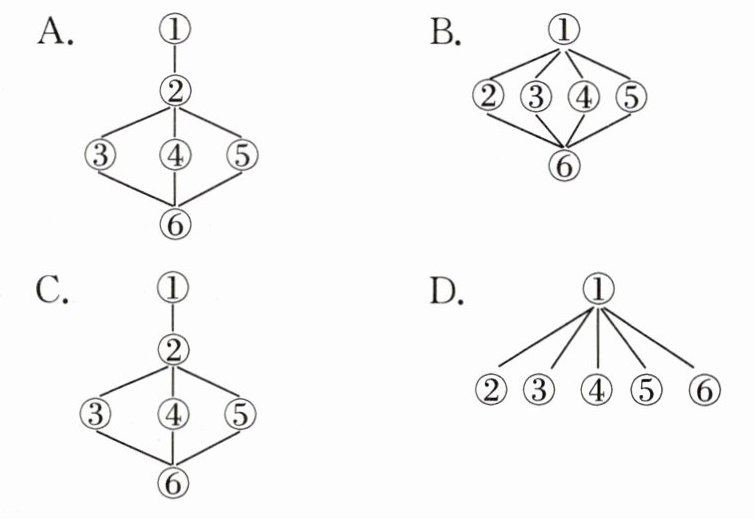
5. What would be the best structure of the passage?
Do you yawn? There are about 20 reasons that scientists think are possible for yawning after research. They do not know exactly why yawning happens, but they do know many facts about yawning.
We know that everyone yawns in the same way. First you open your mouth slowly. Your mouth stays open for about five seconds. You take in a lot of air and then push it out. Then you quickly close your mouth. We also know that yawning is contagious. When you see someone yawn, you yawn, too.
Many people say they yawn because they are bored or tired. That might be true. People do often yawn before they sleep and after they wake up. However, we know that people also yawn when they are excited or nervous. Olympic runners, for example, often yawn before a race. Why is that? In 2007, scientists found that a yawn can help a warm brain cool down.
Some scientists believe that yawning makes you notice things more quickly. When you yawn, you breathe deeply. You also stretch (强化) the muscles (肌肉) in your face, mouth, and neck. Your eardrums stretch, too. Maybe this helps you to be quicker to notice things.
In some countries, people think yawning is not nice. People put their hands over their mouths to cover a yawn. In other countries, people think yawning is healthy. They think that opening the mouth very big can let good things in. When they breathe out, they think that bad things go out of the body with the air.
Scientists do not spend much time studying yawning. That is probably because yawning does not hurt. It is just something we do.
1. What does the underlined word “contagious” in Paragraph 2 mean?
A. Able to spread quickly.
B. Able to breathe easily.
C. Able to change easily.
D. Able to sleep quickly.
2. Why do Olympic runners often yawn before a race?
A. They are too tired or too bored.
B. A yawn can let good things in.
C. A yawn can help a warm brain cool down.
D. A yawn can stretch the muscles in their faces.
3. What is the main idea of Paragraph 5?
A. Reasons for yawning.
B. Advantages of yawning.
C. Disadvantages of yawning.
D. Different ideas about yawning.
4. What can we probably infer from the passage?
A. People use different ways to yawn.
B. Scientists will do further research on yawning.
C. It’s hard to notice things quickly while yawning.
D. Some scientists think yawning is good for people.
5. What would be the best structure of the passage?
答案
Passage 9
1. A 词义猜测题。根据“When you see someone yawn, you yawn, too.”可知,当别人打哈欠时,你也会打哈欠,所以哈欠是会传染的,画线单词意为“能够快速传播”。故选 A。
2. C 细节理解题。根据“In 2007, scientists found that a yawn can help a warm brain cool down.”可知,科学家发现打哈欠可以帮助大脑冷静下来。故选 C。
3. D 段落大意题。根据“In some countries, people think yawning is not nice. ... In other countries...”以及本段内容可知本文主要介绍了不同国家对于打哈欠的看法。故选 D。
4. D 推理判断题。根据“... scientists found that a yawn can help a warm brain cool down.”以及“Some scientists believe that yawning makes you notice things more quickly.”可知,科学家发现打哈欠会帮助大脑冷静下来,能让你更快地注意到事情,由此可推知一些科学家认为打哈欠对人有好处。故选 D。
5. B 篇章结构题。通读全文可知,第一段引出了话题;第二至第五段介绍了关于打哈欠的事实;第六段进行总结。故选 B。
1. A 词义猜测题。根据“When you see someone yawn, you yawn, too.”可知,当别人打哈欠时,你也会打哈欠,所以哈欠是会传染的,画线单词意为“能够快速传播”。故选 A。
2. C 细节理解题。根据“In 2007, scientists found that a yawn can help a warm brain cool down.”可知,科学家发现打哈欠可以帮助大脑冷静下来。故选 C。
3. D 段落大意题。根据“In some countries, people think yawning is not nice. ... In other countries...”以及本段内容可知本文主要介绍了不同国家对于打哈欠的看法。故选 D。
4. D 推理判断题。根据“... scientists found that a yawn can help a warm brain cool down.”以及“Some scientists believe that yawning makes you notice things more quickly.”可知,科学家发现打哈欠会帮助大脑冷静下来,能让你更快地注意到事情,由此可推知一些科学家认为打哈欠对人有好处。故选 D。
5. B 篇章结构题。通读全文可知,第一段引出了话题;第二至第五段介绍了关于打哈欠的事实;第六段进行总结。故选 B。
解析
【解析】
1. 词义猜测题:根据第二段最后一句“When you see someone yawn, you yawn, too.”可知,看到别人打哈欠自己也会打,说明打哈欠具有传播性,“contagious”意为“能够快速传播”,故选A。
2. 细节理解题:根据第三段最后一句“In 2007, scientists found that a yawn can help a warm brain cool down.”可知,奥运选手赛前打哈欠是因为打哈欠能帮助发热的大脑降温,故选C。
3. 段落大意题:第五段介绍了不同国家的人对打哈欠的不同看法,有的认为不礼貌,有的认为有益健康,故选D。
4. 推理判断题:根据文中“a yawn can help a warm brain cool down”和“yawning makes you notice things more quickly”可推断,部分科学家认为打哈欠对人有好处,故选D。
5. 篇章结构题:文章第一段引出打哈欠的话题;第二至第五段分别介绍打哈欠的特点、原因、相关作用以及不同地区的看法;第六段总结科学家对打哈欠研究不多的原因,结构对应选项B。
【答案】
1.A;2.C;3.D;4.D;5.B
【知识点】
词义猜测题解题法、细节理解题解题法、篇章结构分析
【点评】
本题围绕“打哈欠的相关知识”展开,考查多种阅读理解题型,需结合文本细节与逻辑推理作答,可提升学生的信息提取与推理能力。
【难度系数】
0.6
1. 词义猜测题:根据第二段最后一句“When you see someone yawn, you yawn, too.”可知,看到别人打哈欠自己也会打,说明打哈欠具有传播性,“contagious”意为“能够快速传播”,故选A。
2. 细节理解题:根据第三段最后一句“In 2007, scientists found that a yawn can help a warm brain cool down.”可知,奥运选手赛前打哈欠是因为打哈欠能帮助发热的大脑降温,故选C。
3. 段落大意题:第五段介绍了不同国家的人对打哈欠的不同看法,有的认为不礼貌,有的认为有益健康,故选D。
4. 推理判断题:根据文中“a yawn can help a warm brain cool down”和“yawning makes you notice things more quickly”可推断,部分科学家认为打哈欠对人有好处,故选D。
5. 篇章结构题:文章第一段引出打哈欠的话题;第二至第五段分别介绍打哈欠的特点、原因、相关作用以及不同地区的看法;第六段总结科学家对打哈欠研究不多的原因,结构对应选项B。
【答案】
1.A;2.C;3.D;4.D;5.B
【知识点】
词义猜测题解题法、细节理解题解题法、篇章结构分析
【点评】
本题围绕“打哈欠的相关知识”展开,考查多种阅读理解题型,需结合文本细节与逻辑推理作答,可提升学生的信息提取与推理能力。
【难度系数】
0.6
