

 登录
登录
Passage 1
Think outside the box with cross-subject knowledge
What is “think outside the box”?
It means thinking in a different way, not in a usual way.
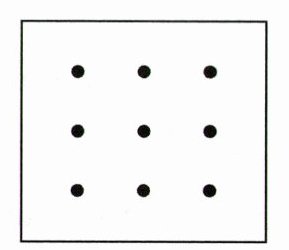
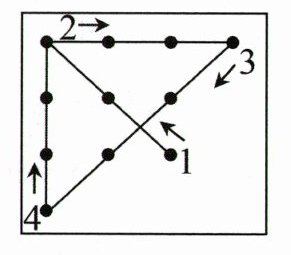
Here is an example in Maths. You have to join all 9 points, using 4 lines only in one go. If you only draw the line inside the “box” of the 9 points, you can’t solve the problem. Go “outside the box” and you can make it.
How can you “think outside the box” with cross-subject knowledge?
When you face real-life problems, you often need cross-subject knowledge to “think outside the box” and solve them.
Problem: In autumn, lots of leaves fall off the trees.
1
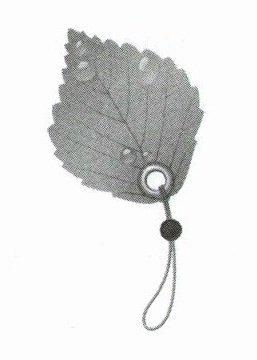
Think outside the box: Reuse leaves and make them into useful things, such as leaf bookmarks. Mix leaves with food waste to make fertilizer(肥料). Then use it to grow vegetables.
Subjects: Science, Art and Maths
Problem: Your foreign friends are interested in the Dragon Boat Festival. Just telling them some facts cannot make them understand its history and traditions well.
Think outside the box: 2 It shows the story of Qu Yuan and how dragon boat racing began.
Subject: English, History and Drama
3
“Think outside the box” breaks the usual rules in our mind. We can connect ideas from different subjects to solve problems. This kind of thinking helps us see chances where others just see problems.
1~3: 从所给的A—D四个选项中选出正确选项,并填入下面所给的空格处。(6分)
A. You can act out a short English play.
B. How do I study different subjects well?
C. What do I learn about “think outside the box”?
D. Students usually sweep them away and throw them as litter.
1.
4. 新考法 开放性设问 Do you want to try “think outside the box”? Why? (不超过15个单词)(4分)
Think outside the box with cross-subject knowledge
What is “think outside the box”?
It means thinking in a different way, not in a usual way.
Here is an example in Maths. You have to join all 9 points, using 4 lines only in one go. If you only draw the line inside the “box” of the 9 points, you can’t solve the problem. Go “outside the box” and you can make it.
How can you “think outside the box” with cross-subject knowledge?
When you face real-life problems, you often need cross-subject knowledge to “think outside the box” and solve them.
Problem: In autumn, lots of leaves fall off the trees.
1
Think outside the box: Reuse leaves and make them into useful things, such as leaf bookmarks. Mix leaves with food waste to make fertilizer(肥料). Then use it to grow vegetables.
Subjects: Science, Art and Maths
Problem: Your foreign friends are interested in the Dragon Boat Festival. Just telling them some facts cannot make them understand its history and traditions well.
Think outside the box: 2 It shows the story of Qu Yuan and how dragon boat racing began.
Subject: English, History and Drama
3
“Think outside the box” breaks the usual rules in our mind. We can connect ideas from different subjects to solve problems. This kind of thinking helps us see chances where others just see problems.
1~3: 从所给的A—D四个选项中选出正确选项,并填入下面所给的空格处。(6分)
A. You can act out a short English play.
B. How do I study different subjects well?
C. What do I learn about “think outside the box”?
D. Students usually sweep them away and throw them as litter.
1.
D
2. A
3. C
4. 新考法 开放性设问 Do you want to try “think outside the box”? Why? (不超过15个单词)(4分)
Yes, I do. Because it's a good way to solve real-life problems. /No, I don't. Because I don't know how to connect ideas from different subjects.(言之有理即可)
答案
1. D
2. A
3. C
4. Yes, I do. Because it's a good way to solve real-life problems. /No, I don't. Because I don't know how to connect ideas from different subjects.(言之有理即可)
2. A
3. C
4. Yes, I do. Because it's a good way to solve real-life problems. /No, I don't. Because I don't know how to connect ideas from different subjects.(言之有理即可)
解析
【分析】
首先分析1-3题:需结合上下文语境选择合适句子填空。第1题前文提到秋天树叶掉落,后文讲树叶的再利用做法,因此空格处应填人们对落叶的常规处理方式;第2题前文说外国朋友对端午节感兴趣,仅讲事实不足,结合给出的学科(英语、历史、戏剧),空格处应填能帮助理解端午节的具体互动方式;第3题是对前文内容的总结,引出后文关于“跳出思维框”的感悟。第4题是开放性设问,需紧扣文章主旨,回答不超过15词且言之有理即可。
【解析】
1. 第1空:前文描述秋天落叶的现象,后文提出再利用的做法,空格处应填常规处理方式,D选项“学生通常把它们扫走当垃圾扔”符合语境,故选D。
2. 第2空:前文说外国朋友对端午节感兴趣,仅讲事实不足,结合学科(英语、历史、戏剧),A选项“你可以演一个简短的英语短剧”符合要求,能帮助外国朋友理解端午节,故选A。
3. 第3空:后文是对“跳出思维框”的感悟,空格处应填总结性问句,C选项“我学到了关于‘跳出思维框’的什么”符合逻辑,故选C。
4. 第4空:开放性问题,需围绕“跳出思维框”的好处或自身意愿作答,不超过15词,如“Yes, I do. Because it helps solve real problems.”(符合要求即可)。
【答案】
1. D 2. A 3. C 4. Yes, I do. Because it's a good way to solve real-life problems.
【知识点】
任务型阅读、语境理解、开放性表达
【点评】
本题为任务型阅读理解题,前3题考查上下文逻辑衔接,需结合语境选句;第4题考查开放性表达,紧扣文章主旨即可作答,整体难度适中,能有效考查学生的阅读理解与语言运用能力。
【难度系数】
0.7
首先分析1-3题:需结合上下文语境选择合适句子填空。第1题前文提到秋天树叶掉落,后文讲树叶的再利用做法,因此空格处应填人们对落叶的常规处理方式;第2题前文说外国朋友对端午节感兴趣,仅讲事实不足,结合给出的学科(英语、历史、戏剧),空格处应填能帮助理解端午节的具体互动方式;第3题是对前文内容的总结,引出后文关于“跳出思维框”的感悟。第4题是开放性设问,需紧扣文章主旨,回答不超过15词且言之有理即可。
【解析】
1. 第1空:前文描述秋天落叶的现象,后文提出再利用的做法,空格处应填常规处理方式,D选项“学生通常把它们扫走当垃圾扔”符合语境,故选D。
2. 第2空:前文说外国朋友对端午节感兴趣,仅讲事实不足,结合学科(英语、历史、戏剧),A选项“你可以演一个简短的英语短剧”符合要求,能帮助外国朋友理解端午节,故选A。
3. 第3空:后文是对“跳出思维框”的感悟,空格处应填总结性问句,C选项“我学到了关于‘跳出思维框’的什么”符合逻辑,故选C。
4. 第4空:开放性问题,需围绕“跳出思维框”的好处或自身意愿作答,不超过15词,如“Yes, I do. Because it helps solve real problems.”(符合要求即可)。
【答案】
1. D 2. A 3. C 4. Yes, I do. Because it's a good way to solve real-life problems.
【知识点】
任务型阅读、语境理解、开放性表达
【点评】
本题为任务型阅读理解题,前3题考查上下文逻辑衔接,需结合语境选句;第4题考查开放性表达,紧扣文章主旨即可作答,整体难度适中,能有效考查学生的阅读理解与语言运用能力。
【难度系数】
0.7
