

 登录
登录
二、完形填空。
Every morning at 6:30, 16-year-old Chen Xi can be seen at the street corner in Hangzhou. She is breakfast to the cleaners. She has been doing this work with her team for two years.
It all started on a cold winter morning two years ago. Chen Xi saw a eating a cold steamed bun with cold water on the side of the street. She felt , and decided to do something. Soon, she set up a small volunteer team with her classmates.
At first, they did this with their . Later, many kind people heard about their story, and money and food to their team. Every weekend, Chen Xi and her team members give porridge, eggs and steamed buns to cleaners. They also make small cards with words. They want to lift cleaners’ spirits.
Many cleaners said they felt very warm. “We are for what these kids do. The breakfast not only warms our bodies, but also warms our hearts,” said Aunt Wang, a cleaner.
Chen Xi said, “Many people think that only big things can . But I believe that every small act of can bring warmth to others. I hope more people will join us to care about the people around us.”
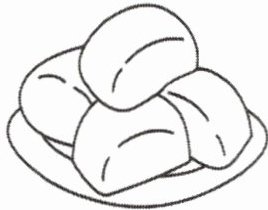 steamed buns
(
(
(
(
(
(
(
(
(
(
Every morning at 6:30, 16-year-old Chen Xi can be seen at the street corner in Hangzhou. She is breakfast to the cleaners. She has been doing this work with her team for two years.
It all started on a cold winter morning two years ago. Chen Xi saw a eating a cold steamed bun with cold water on the side of the street. She felt , and decided to do something. Soon, she set up a small volunteer team with her classmates.
At first, they did this with their . Later, many kind people heard about their story, and money and food to their team. Every weekend, Chen Xi and her team members give porridge, eggs and steamed buns to cleaners. They also make small cards with words. They want to lift cleaners’ spirits.
Many cleaners said they felt very warm. “We are for what these kids do. The breakfast not only warms our bodies, but also warms our hearts,” said Aunt Wang, a cleaner.
Chen Xi said, “Many people think that only big things can . But I believe that every small act of can bring warmth to others. I hope more people will join us to care about the people around us.”
steamed buns(
C
) 1. A. heating up B. throwing away C. handing out(
B
) 2. A. secret B. voluntary C. formal(
A
) 3. A. cleaner B. traveller C. driver(
A
) 4. A. upset B. angry C. hungry(
C
) 5. A. free time B. warm hearts C. pocket money(
B
) 6. A. lent B. donated C. returned(
C
) 7. A. funny B. familiar C. encouraging(
B
) 8. A. sorry B. thankful C. famous(
C
) 9. A. take place B. achieve success C. make a difference(
A
) 10. A. kindness B. happiness C. forgiveness答案
1.C 2.B 3.A 4.A 5.C 6.B 7.C 8.B 9.C 10.A
三、阅读理解。
A
One day, a professor walked into the classroom, holding a glass with some clean water in his hand. He asked his students what colour the glass was. The students quickly answered, “It’s transparent. It doesn’t have a colour.” Then the professor changed the clean water into some red water and asked again, “Now, what colour is it?” “Red,” the students said without a second thought. After that, the professor poured the red water out and filled the glass with some blue water. He asked about the colour once more. And just as you’d expect, the students said the glass was blue.
The professor smiled and said, “You know, the glass has always been transparent. The colours you saw came from the water. It’s kind of like people’s ideas. They can change based on what people experience. So, we should respect others and try to understand their opinions.”
The professor then held up the glass and asked, “How heavy is this glass?” Students guessed different weights. He listened patiently and then explained, “Actually, the weight doesn’t matter. What matters is how long you hold it. Holding it for a few minutes makes it seem light, but holding it all day might hurt your arm.” The students nodded, listening quietly.
“This is just like the negative emotions and stress in our lives. If we always carry them, they will become heavier and make us tired. So we should learn to put them down.”
(
A. By telling interesting stories.
B. By comparing different glasses.
C. By using simple experiments(实验).
(
A. The sky at night.
B. Boiled drinking water.
C. The cloud on sunny days.
(
A. Red water → Blue water → Clean water
B. Blue water → Red water → Clean water
C. Clean water → Red water → Blue water
(
A. Be active to fight stress in our lives.
B. Don’t stick to negative emotions or stress.
C. Share negative emotions and stress with others.
(
A. Wise and patient.
B. Careful and strict.
C. Creative and humorous.
B
A
One day, a professor walked into the classroom, holding a glass with some clean water in his hand. He asked his students what colour the glass was. The students quickly answered, “It’s transparent. It doesn’t have a colour.” Then the professor changed the clean water into some red water and asked again, “Now, what colour is it?” “Red,” the students said without a second thought. After that, the professor poured the red water out and filled the glass with some blue water. He asked about the colour once more. And just as you’d expect, the students said the glass was blue.
The professor smiled and said, “You know, the glass has always been transparent. The colours you saw came from the water. It’s kind of like people’s ideas. They can change based on what people experience. So, we should respect others and try to understand their opinions.”
The professor then held up the glass and asked, “How heavy is this glass?” Students guessed different weights. He listened patiently and then explained, “Actually, the weight doesn’t matter. What matters is how long you hold it. Holding it for a few minutes makes it seem light, but holding it all day might hurt your arm.” The students nodded, listening quietly.
“This is just like the negative emotions and stress in our lives. If we always carry them, they will become heavier and make us tired. So we should learn to put them down.”
(
C
) 1. How did the professor teach students life lessons?A. By telling interesting stories.
B. By comparing different glasses.
C. By using simple experiments(实验).
(
B
) 2. Which is “transparent”?A. The sky at night.
B. Boiled drinking water.
C. The cloud on sunny days.
(
C
) 3. What’s the order of the professor pouring the water?A. Red water → Blue water → Clean water
B. Blue water → Red water → Clean water
C. Clean water → Red water → Blue water
(
B
) 4. What does the second experiment tell us?A. Be active to fight stress in our lives.
B. Don’t stick to negative emotions or stress.
C. Share negative emotions and stress with others.
(
A
) 5. How was the professor from the story?A. Wise and patient.
B. Careful and strict.
C. Creative and humorous.
B
答案
1.C 2.B 3.C 4.B 5.A
