

 登录
登录
Friday/Week 2
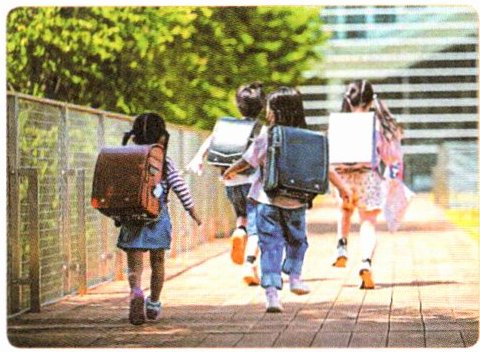
Shibafuji Elementary School in Kawaguchi city, Japan,
is seeing a big increase in foreign students. More than
40% of the students come from other 1
China.
题型: 完形填空
主题: 学校教育
语篇类型: 新闻报道
词数: 250
难度:
建议用时: 8 分钟
To help them get used to life here, the school offers a special
"Japanese survival (生存)" 2
This course lasts 20 days and includes four hours of daily
3
"Please 4
5
After finishing the course, students move into ordinary classes.
6
hours per week. This course gives small-group lessons 7
for completing it—students "graduate" when their Japanese skills are good 8
"First and second grade classes face the biggest 9
The Mainichi, since younger students often have 10
However, learning Japanese is not the only challenge for students from other countries.
Math and writing are taught 11
for foreign students. To 13
Now, 52 students are in the program, but that 14
Kato said she was 15
Shibafuji Elementary School in Kawaguchi city, Japan,
is seeing a big increase in foreign students. More than
40% of the students come from other 1
A
, mostlyChina.
题型: 完形填空
主题: 学校教育
语篇类型: 新闻报道
词数: 250
难度:
建议用时: 8 分钟
To help them get used to life here, the school offers a special
"Japanese survival (生存)" 2
A
.This course lasts 20 days and includes four hours of daily
3
B
. Students learn simple phrases they need for school, such as"Please 4
D
a seat," or the names of different rooms. The classes are5
A
by teachers who can speak Chinese.After finishing the course, students move into ordinary classes.
6
C
, they continue attending a language support course for one to fivehours per week. This course gives small-group lessons 7
B
each student's level. *There is no set timefor completing it—students "graduate" when their Japanese skills are good 8
D
."First and second grade classes face the biggest 9
A
," school principal (校长) Tomomi Kato toldThe Mainichi, since younger students often have 10
B
Japanese skills.However, learning Japanese is not the only challenge for students from other countries.
Math and writing are taught 11
A
in Japan compared to other countries, which makes it 12B
for foreign students. To 13
C
, the school has staff (工作人员) who speak Chinese in younger classes.Now, 52 students are in the program, but that 14
A
is expected to grow over the next few years.Kato said she was 15
C
by the number, but told The Mainichi, "We'll keep doing what we can."答案
1.A 由空格后的“大部分(来自)中国”可知,此处应填“国家”。country意为“国家”。
2.A 由下一段第一句中的“This course”可知,此处指的是学校开设的一门特殊的名为“日本生存”的课程。course意为“课程”。
3.B 句意为“本课程为期20天,包括每天4小时的课。” lesson意为“课”。
4.D 这里指他们在学校所需的简单短语“就坐”。take a seat意为“就坐”,固定短语。
5.A 由空格后的“by teachers”可知,该句的意思是“这些课程由会说中文的老师教授。” teach意为“教”,这里用其过去分词taught,表被动。
6.C 空格前(完成课程后,学生转入普通班级)后(他们每周继续参加1至5小时的语言辅助课程)有转折的意味。however意为“然而”。
7.B 句意为“这门课程根据每个学生的水平进行小组教学。” according to意为“根据”。
8.D 由破折号前的“没有固定的完成时间”可知,当学生的日语技能足够好时,他们就“毕业”了。enough意为“足够地”,修饰形容词时,常居于形容词后。
9.A 由下一段的第一句可知,一、二年级的班级面临着最大的挑战。challenge意为“挑战”。
10.B 来自外国的低年级学生的日语技能相对较弱。weak意为“弱的”,这里需用其比较级。
11.A 本句前半句的句意为“与其他国家相比,日本的数学和写作教学方式不同”。differently意为“不同地”。
12.B 根据句意可知,日本的数学和写作教学方式使外国的学生(学习数学和写作)更难。hard意为“难的”,这里应用其比较级。
13.C 学校在低年级的班级里安排讲中文的工作人员是为了向有需要的学生提供帮助。help意为“帮助”。
14.A 这里指的是前半句提到的“52”这一数字。number意为“数字”。
15.C 由上文的“但这个数字预计在未来几年还会增长”可知,加藤说对这个数字感到惊讶。surprised意为“惊讶的”。
2.A 由下一段第一句中的“This course”可知,此处指的是学校开设的一门特殊的名为“日本生存”的课程。course意为“课程”。
3.B 句意为“本课程为期20天,包括每天4小时的课。” lesson意为“课”。
4.D 这里指他们在学校所需的简单短语“就坐”。take a seat意为“就坐”,固定短语。
5.A 由空格后的“by teachers”可知,该句的意思是“这些课程由会说中文的老师教授。” teach意为“教”,这里用其过去分词taught,表被动。
6.C 空格前(完成课程后,学生转入普通班级)后(他们每周继续参加1至5小时的语言辅助课程)有转折的意味。however意为“然而”。
7.B 句意为“这门课程根据每个学生的水平进行小组教学。” according to意为“根据”。
8.D 由破折号前的“没有固定的完成时间”可知,当学生的日语技能足够好时,他们就“毕业”了。enough意为“足够地”,修饰形容词时,常居于形容词后。
9.A 由下一段的第一句可知,一、二年级的班级面临着最大的挑战。challenge意为“挑战”。
10.B 来自外国的低年级学生的日语技能相对较弱。weak意为“弱的”,这里需用其比较级。
11.A 本句前半句的句意为“与其他国家相比,日本的数学和写作教学方式不同”。differently意为“不同地”。
12.B 根据句意可知,日本的数学和写作教学方式使外国的学生(学习数学和写作)更难。hard意为“难的”,这里应用其比较级。
13.C 学校在低年级的班级里安排讲中文的工作人员是为了向有需要的学生提供帮助。help意为“帮助”。
14.A 这里指的是前半句提到的“52”这一数字。number意为“数字”。
15.C 由上文的“但这个数字预计在未来几年还会增长”可知,加藤说对这个数字感到惊讶。surprised意为“惊讶的”。
