

 登录
一、阅读理解 关于传统的辩论
素养:文化意识 难度:中 用时:7 分钟
[多模态语篇·辩论][2024 菏泽郓城一模改编]
Host: As we know, the British have been sending cards since the 19th century. They spend about 1,700,000,000 pounds on cards every year. However, the number of people sending cards and letters is falling. More than 30 percent of UK children have never sent or received a handwritten letter. Should the tradition of sending cards and letters be stopped?
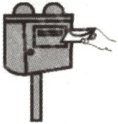
Group A:
We live in a fast-developing world and using snail mail is unnecessary. Making paper uses lots of energy and some cards are hard to recycle. It's bad for the environment. What's more, cards are expensive to buy and to post. Nowadays, we usually use our phones and computers because they are quick, easy and free. Traditional cards and letters are out of date. They are not young people's cup of tea. It's no surprise that most of them end up as litter.
Group B:
The tradition has been around for hundreds of years and should stay. Sending a handwritten letter or carefully chosen card shows that you care. Text messages and emails are quick and easy, but they seem to carry fewer feelings. Sending letters is good for children because it is a chance to practice their writing skills. Also, it's fun! Receiving post makes you feel special and it's important if someone lives far away or is lonely — just imagine a birthday without cards!
1. What's the debate (辩论) mainly about?
A. When the British send cards and letters.
B. Whether the British should keep the tradition.
C. Why the British like sending cards and letters.
D. Where the British keep their cards and letters.
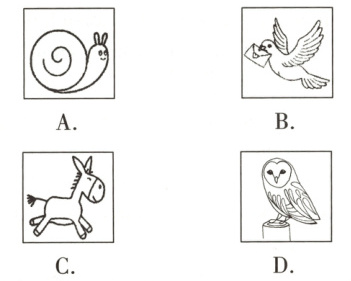
2. 新考法·图文转换题 Which picture can show the meaning of the underlined word "snail"?
3. What does Group B think of sending cards?
A. Free but slow.
B. Fast but expensive.
C. Wasteful and expensive.
D. Important and considerate.
4. 新考法·创新性设问 Which of the following facts directly caused the debate?
A. People have different tools.
B. Fewer people choose to work as postmen.
C. Fewer British people send cards and letters.
D. The British spend too much money on cards and letters.
素养:文化意识 难度:中 用时:7 分钟
[多模态语篇·辩论][2024 菏泽郓城一模改编]
Host: As we know, the British have been sending cards since the 19th century. They spend about 1,700,000,000 pounds on cards every year. However, the number of people sending cards and letters is falling. More than 30 percent of UK children have never sent or received a handwritten letter. Should the tradition of sending cards and letters be stopped?
Group A:
We live in a fast-developing world and using snail mail is unnecessary. Making paper uses lots of energy and some cards are hard to recycle. It's bad for the environment. What's more, cards are expensive to buy and to post. Nowadays, we usually use our phones and computers because they are quick, easy and free. Traditional cards and letters are out of date. They are not young people's cup of tea. It's no surprise that most of them end up as litter.
Group B:
The tradition has been around for hundreds of years and should stay. Sending a handwritten letter or carefully chosen card shows that you care. Text messages and emails are quick and easy, but they seem to carry fewer feelings. Sending letters is good for children because it is a chance to practice their writing skills. Also, it's fun! Receiving post makes you feel special and it's important if someone lives far away or is lonely — just imagine a birthday without cards!
1. What's the debate (辩论) mainly about?
A. When the British send cards and letters.
B. Whether the British should keep the tradition.
C. Why the British like sending cards and letters.
D. Where the British keep their cards and letters.
2. 新考法·图文转换题 Which picture can show the meaning of the underlined word "snail"?
3. What does Group B think of sending cards?
A. Free but slow.
B. Fast but expensive.
C. Wasteful and expensive.
D. Important and considerate.
4. 新考法·创新性设问 Which of the following facts directly caused the debate?
A. People have different tools.
B. Fewer people choose to work as postmen.
C. Fewer British people send cards and letters.
D. The British spend too much money on cards and letters.
答案
[解题导语] 本文是关于英国人是否应该保留邮寄卡片和信的传统的辩论。
[阅读提升]
(1)as we know如我们所知
(2)what’s more 而且
(3)out of date过时的
(4)not sb.’s cup of tea非某人所好,不合某人心意
(5)end up as最终成为
1.B 细节理解题。根据主持人的话中的“Should the tradition of sending cards and letters be stopped?”可知,这场辩论是关于英国人是否应该保留寄卡片和信的传统的,故选B。
2.A 图文转换题。
Step 1 圈画关键词
Which picture can show the meaning of the underlined word “snail”?
Step 2 定位解题范围
定位到Group A的观点中的“We live in a fast-developing world and using snail mail is unnecessary”及“Nowadays,we usually use our phones and computers because they are quick,easy and free”。
Step 3 对比分析
我们生活在一个飞速发展的世界,没有必要使用“snail mail”;现今,我们通常使用手机和电脑,因为它们又快又容易,并且免费。因此“snail mail”是速度慢的邮递。
Step 4 分析图片,确定答案
所给图片中蜗牛最慢。故选A。
3.D 细节理解题。根据Group B的观点中的“Sending a handwritten letter or carefully chosen card shows that you care”“Receiving post makes you feel special and it’s important if someone lives far away or is lonely”可知答案。
4.C 推理判断题。根据主持人的话中的“However,the number of people sending cards and letters is falling...Should the tradition of sending cards and letters be stopped?”可推知,寄卡片和信的英国人人数减少引发了这场辩论,故选C。
解析
【分析】首先通读全文,明确本次辩论的核心主题;针对不同题型采用对应解题方法:1.细节理解题需定位原文关键问题,确定辩论主题;2.图文转换题需结合语境推断词义,匹配对应图片;3.细节理解题需定位对应群体的观点,提取关键信息;4.推理判断题需定位引发辩论的背景信息,推导直接原因。
【解析】1. 细节理解题:根据主持人提出的“Should the tradition of sending cards and letters be stopped?”可知,本次辩论围绕英国人是否应保留寄卡片和信件的传统展开,故选B。
2. 图文转换题:Step1:圈画关键词“snail”;Step2:定位Group A的表述“using snail mail is unnecessary”及“Nowadays,we usually use our phones and computers because they are quick,easy and free”;Step3:推断“snail mail”指速度慢的邮递,对应最慢的蜗牛图片,故选A。
3. 细节理解题:根据Group B的观点“Sending a handwritten letter or carefully chosen card shows that you care”“Receiving post makes you feel special and it’s important...”可知,Group B认为寄卡片重要且贴心,故选D。
4. 推理判断题:根据主持人提到的“the number of people sending cards and letters is falling...Should the tradition of sending cards and letters be stopped?”可推知,寄卡片和信件的英国人数量减少是引发本次辩论的直接原因,故选C。
【答案】1.B 2.A 3.D 4.C
【知识点】英语阅读理解、细节理解、图文转换
【点评】本题为辩论类阅读理解,考查学生的信息定位、词义猜测、推理判断等阅读能力,需准确把握原文细节与辩论核心,难度适中。
【难度系数】0.5
