

 登录
登录
五、阅读理解
阅读下面短文,从每小题的四个选项中,选出能回答所给问题或完成所给句子的最佳答案。
Most people don't know about blobfish (水滴鱼). They are the world's ugliest animal.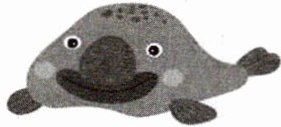
Blobfish live in the sea near Australia and New Zealand. For most of time, they stay in the water between 600 to 1, 200 m deep. When some little fish swim past them, they try to catch them for food. They can grow up to 30 cm long. They have very large heads, small bodies and thin tails. They look like a large jelly (果冻). So they get their name. People don't eat blobfish, because they are not good for people to eat. But fishermen kill thousands of them each year when they catch other fish in the sea. Scientists are worried that this will put the blobfish on the list of animals in danger.
1. What do blobfish look like?
A. Friendly.
B. Ugly.
C. Harmful.
D. Strong.
2. What can we learn about blobfish from the passage?
A. Blobfish live in the sea around the world.
B. Blobfish can grow up to 50 cm long.
C. Blobfish look like other fish.
D. Each year thousands of blobfish are killed.
3. Blobfish get their name because of their
A. shape
B. color
C. eyes
D. heads
4. Which of the following is NOT true?
A. Blobfish eat small fish.
B. Fishermen catch blobfish for food.
C. Blobfish's tails are thin.
D. Blobfish's heads are big.
5. From the passage, we can learn that
A. there will be rules to catch blobfish
B. blobfish will become pets
C. there will be fewer blobfish
D. blobfish can swim fast
阅读下面短文,从每小题的四个选项中,选出能回答所给问题或完成所给句子的最佳答案。
Most people don't know about blobfish (水滴鱼). They are the world's ugliest animal.
Blobfish live in the sea near Australia and New Zealand. For most of time, they stay in the water between 600 to 1, 200 m deep. When some little fish swim past them, they try to catch them for food. They can grow up to 30 cm long. They have very large heads, small bodies and thin tails. They look like a large jelly (果冻). So they get their name. People don't eat blobfish, because they are not good for people to eat. But fishermen kill thousands of them each year when they catch other fish in the sea. Scientists are worried that this will put the blobfish on the list of animals in danger.
1. What do blobfish look like?
A. Friendly.
B. Ugly.
C. Harmful.
D. Strong.
2. What can we learn about blobfish from the passage?
A. Blobfish live in the sea around the world.
B. Blobfish can grow up to 50 cm long.
C. Blobfish look like other fish.
D. Each year thousands of blobfish are killed.
3. Blobfish get their name because of their
shape
.A. shape
B. color
C. eyes
D. heads
4. Which of the following is NOT true?
A. Blobfish eat small fish.
B. Fishermen catch blobfish for food.
C. Blobfish's tails are thin.
D. Blobfish's heads are big.
5. From the passage, we can learn that
there will be fewer blobfish
.A. there will be rules to catch blobfish
B. blobfish will become pets
C. there will be fewer blobfish
D. blobfish can swim fast
答案
1.B 2.D 3.A 4.B 5.C
解析
【分析】
这是一篇科普类说明文阅读理解,全部为细节理解类题型,解题思路是先通读题干明确每个问题的提问方向,再带着问题回到原文对应段落定位相关语句,将选项和原文内容逐一比对,排除不符合原文描述的错误选项,所有判断都要以原文给出的信息为依据,不要加入主观猜测,就能得到正确答案。第一题直接定位第一段关于水滴鱼外观的描述;第二题逐个核对四个选项的表述是否和原文匹配;第三题定位名字由来的对应语句;第四题选出描述错误的选项,逐一排查选项内容是否在原文有对应依据;第五题定位文章末尾关于水滴鱼生存现状的描述选出合理答案。
【解析】
1. 定位原文第一段第二句"They are the world's ugliest animal.",直接说明水滴鱼是世界上最丑的动物,对应选项B.Ugly,其余选项原文均无相关描述,故选B。
2. 逐一核对选项:
A选项:原文第二段第一句说明水滴鱼生活在澳大利亚和新西兰附近的海域,并非全世界的海洋,表述错误;
B选项:原文第二段明确说明"They can grow up to 30 cm long.",不是50cm,表述错误;
C选项:原文描述水滴鱼头大身体小尾巴细,看起来像大果冻,和普通鱼外形不同,表述错误;
D选项:原文第二段"But fishermen kill thousands of them each year when they catch other fish in the sea.",说明每年有数千只水滴鱼被误杀,表述正确,故选D。
3. 定位原文"They look like a large jelly (果冻). So they get their name.",水滴鱼的外形像果冻,因此得名,名字来源于自身的外形shape,对应选项A,故选A。
4. 选出错误表述:
A选项:原文"When some little fish swim past them, they try to catch them for food."说明水滴鱼以小鱼为食,表述正确;
B选项:原文"People don't eat blobfish, because they are not good for people to eat."说明人类不会食用水滴鱼,渔民也不是为了食用而捕捞水滴鱼,该表述错误;
C选项:原文"thin tails"说明水滴鱼尾巴很细,表述正确;
D选项:原文"They have very large heads"说明水滴鱼头部很大,表述正确。本题选不符合原文的B,故选B。
5. 定位文章末尾"Scientists are worried that this will put the blobfish on the list of animals in danger.",说明水滴鱼目前生存受到威胁,即将进入濒危动物名单,可推知水滴鱼的数量将会越来越少,对应选项C,其余选项原文均无相关依据,故选C。
【答案】
1.B 2.D 3.A 4.B 5.C
【知识点】
细节信息定位,科普说明文阅读
【点评】
本题属于低难度的科普类阅读,所有题目都可以通过直接在原文定位对应语句得到答案,没有复杂的深层推断题,适合刚接触英语说明文阅读的学生练习,做题时要养成回归原文找依据的习惯,避免主观臆断选错答案。
【难度系数】
0.8
这是一篇科普类说明文阅读理解,全部为细节理解类题型,解题思路是先通读题干明确每个问题的提问方向,再带着问题回到原文对应段落定位相关语句,将选项和原文内容逐一比对,排除不符合原文描述的错误选项,所有判断都要以原文给出的信息为依据,不要加入主观猜测,就能得到正确答案。第一题直接定位第一段关于水滴鱼外观的描述;第二题逐个核对四个选项的表述是否和原文匹配;第三题定位名字由来的对应语句;第四题选出描述错误的选项,逐一排查选项内容是否在原文有对应依据;第五题定位文章末尾关于水滴鱼生存现状的描述选出合理答案。
【解析】
1. 定位原文第一段第二句"They are the world's ugliest animal.",直接说明水滴鱼是世界上最丑的动物,对应选项B.Ugly,其余选项原文均无相关描述,故选B。
2. 逐一核对选项:
A选项:原文第二段第一句说明水滴鱼生活在澳大利亚和新西兰附近的海域,并非全世界的海洋,表述错误;
B选项:原文第二段明确说明"They can grow up to 30 cm long.",不是50cm,表述错误;
C选项:原文描述水滴鱼头大身体小尾巴细,看起来像大果冻,和普通鱼外形不同,表述错误;
D选项:原文第二段"But fishermen kill thousands of them each year when they catch other fish in the sea.",说明每年有数千只水滴鱼被误杀,表述正确,故选D。
3. 定位原文"They look like a large jelly (果冻). So they get their name.",水滴鱼的外形像果冻,因此得名,名字来源于自身的外形shape,对应选项A,故选A。
4. 选出错误表述:
A选项:原文"When some little fish swim past them, they try to catch them for food."说明水滴鱼以小鱼为食,表述正确;
B选项:原文"People don't eat blobfish, because they are not good for people to eat."说明人类不会食用水滴鱼,渔民也不是为了食用而捕捞水滴鱼,该表述错误;
C选项:原文"thin tails"说明水滴鱼尾巴很细,表述正确;
D选项:原文"They have very large heads"说明水滴鱼头部很大,表述正确。本题选不符合原文的B,故选B。
5. 定位文章末尾"Scientists are worried that this will put the blobfish on the list of animals in danger.",说明水滴鱼目前生存受到威胁,即将进入濒危动物名单,可推知水滴鱼的数量将会越来越少,对应选项C,其余选项原文均无相关依据,故选C。
【答案】
1.B 2.D 3.A 4.B 5.C
【知识点】
细节信息定位,科普说明文阅读
【点评】
本题属于低难度的科普类阅读,所有题目都可以通过直接在原文定位对应语句得到答案,没有复杂的深层推断题,适合刚接触英语说明文阅读的学生练习,做题时要养成回归原文找依据的习惯,避免主观臆断选错答案。
【难度系数】
0.8
1. They can pick up and carry heavy things with their trunks. 它们可以用象鼻捡起和搬运重物。
【感知】(1)Can you please pick up the toys from the floor? 你能把地板上的玩具捡起来吗?
(2)My dad will pick up my sister from school after class. 我爸爸会在课后去学校接我妹妹。
(3)I need to pick up some things at the supermarket on my way home. 我需要在回家的路上去超市买点东西。
【思考】“pick up”这个短语在不同语境有多个意思,比如
【运用】
(1)I usually go to the library to
A. pick up
B. put down
C. take down
D. cut up
(2)“Can you
A. turn down
B. give away
C. hand over
D. pick up
【感知】(1)Can you please pick up the toys from the floor? 你能把地板上的玩具捡起来吗?
(2)My dad will pick up my sister from school after class. 我爸爸会在课后去学校接我妹妹。
(3)I need to pick up some things at the supermarket on my way home. 我需要在回家的路上去超市买点东西。
【思考】“pick up”这个短语在不同语境有多个意思,比如
从地面或某个表面拿起物品
,或者更抽象的意义,如学会新技能或接收信号。“pick”作为动词,基本意思是“挑选或选择
”。“pick up something”的意思是“拿起某物
”,“pick up someone”的意思是“接某人
”。【运用】
(1)I usually go to the library to
A
some books for my English lesson.A. pick up
B. put down
C. take down
D. cut up
(2)“Can you
D
the kids from school today? I have a meeting,” Tom's mother asked.A. turn down
B. give away
C. hand over
D. pick up
答案
1. 思考:从地面或某个表面拿起物品;挑选或选择;拿起某物;接某人
运用:(1) A (2) D
运用:(1) A (2) D
解析
【分析】
我们可以按照递进思路解题:第一步先观察题干给出的所有带pick up的示例,先归纳它的表层常见含义,再回忆pick本身的基础词义;第二步区分pick up后接事物、接人物的不同常用表意;第三步做选择题时,先逐一辨析每个选项短语的含义,再代入题干语境匹配最贴合的答案即可。
【解析】
思考部分填空:
1. 结合原句“用象鼻捡起重物”、感知例句(1)“捡起地板上的玩具”,可以归纳出pick up的典型表层含义是从地面或某个表面拿起物品,还可延伸出顺路购买物品等表意;
2. 动词pick的基础核心意思是“挑选或选择”,也可表示采摘;
3. 当结构为pick up something(后接事物)时,含义为“拿起某物”,也可延伸出顺路取、购买某物的意思;
4. 当结构为pick up someone(后接人物)时,含义为“接某人”,指前往指定地点接人一同离开。
运用部分选择题:
(1) 题干句意为“我通常去图书馆为我的英语课取/挑选一些书”,辨析选项:A. pick up 选取、取;B. put down 放下、写下;C. take down 记下、拆除;D. cut up 切碎,只有A符合语境要求。
(2) 题干句意为“汤姆的妈妈问:你今天能去学校接孩子们吗?我有个会议”,辨析选项:A. turn down 调小、拒绝;B. give away 赠送、泄露;C. hand over 移交;D. pick up 接(某人),只有D符合语境要求。
【答案】
思考:从地面或某个表面拿起物品;挑选或选择;拿起某物;接某人
运用:(1) A (2) D
【知识点】
动词短语辨析;pick up多义用法
【点评】
本题采用“例句感知-含义归纳-实战运用”的递进式设计,引导学生结合语境理解多义短语的不同表意,避免机械背诵短语含义,能有效帮助学生掌握英语多义词汇的学习方法,夯实短语运用基础。
【难度系数】
0.8
我们可以按照递进思路解题:第一步先观察题干给出的所有带pick up的示例,先归纳它的表层常见含义,再回忆pick本身的基础词义;第二步区分pick up后接事物、接人物的不同常用表意;第三步做选择题时,先逐一辨析每个选项短语的含义,再代入题干语境匹配最贴合的答案即可。
【解析】
思考部分填空:
1. 结合原句“用象鼻捡起重物”、感知例句(1)“捡起地板上的玩具”,可以归纳出pick up的典型表层含义是从地面或某个表面拿起物品,还可延伸出顺路购买物品等表意;
2. 动词pick的基础核心意思是“挑选或选择”,也可表示采摘;
3. 当结构为pick up something(后接事物)时,含义为“拿起某物”,也可延伸出顺路取、购买某物的意思;
4. 当结构为pick up someone(后接人物)时,含义为“接某人”,指前往指定地点接人一同离开。
运用部分选择题:
(1) 题干句意为“我通常去图书馆为我的英语课取/挑选一些书”,辨析选项:A. pick up 选取、取;B. put down 放下、写下;C. take down 记下、拆除;D. cut up 切碎,只有A符合语境要求。
(2) 题干句意为“汤姆的妈妈问:你今天能去学校接孩子们吗?我有个会议”,辨析选项:A. turn down 调小、拒绝;B. give away 赠送、泄露;C. hand over 移交;D. pick up 接(某人),只有D符合语境要求。
【答案】
思考:从地面或某个表面拿起物品;挑选或选择;拿起某物;接某人
运用:(1) A (2) D
【知识点】
动词短语辨析;pick up多义用法
【点评】
本题采用“例句感知-含义归纳-实战运用”的递进式设计,引导学生结合语境理解多义短语的不同表意,避免机械背诵短语含义,能有效帮助学生掌握英语多义词汇的学习方法,夯实短语运用基础。
【难度系数】
0.8
