

 登录
登录
二、下面是Jorge分享的中国人的一些饮食习惯。读一读,在空白处填入一个适当的单词或括号内单词的正确形式。
Ning is my new friend. She is from China while I am from Italy. Yesterday, she 1. (invite) my family to have dinner at her home.
After she opened the door for me, we greeted each other by 2. (kiss) on the face. When we entered the house, I saw 3. round dinner table. It was full of dishes. They were different 4. what we usually eat at home. I had never tasted Chinese food. That was my first try. During the meal, I found that they ate 5. (quiet), even when drinking soup with their spoons! Later, she showed us how to use chopsticks. Finally, I picked up a piece of chicken on my 6. (five) try! I felt 7. (exciting)! These meals were 8. (great) than what I eat at home. I really enjoyed 9. (I).
After dinner, I thanked Ning for 10. (teach) us some Chinese table manners and her family offered me such delicious Chinese food!
Ning is my new friend. She is from China while I am from Italy. Yesterday, she 1. (invite) my family to have dinner at her home.
After she opened the door for me, we greeted each other by 2. (kiss) on the face. When we entered the house, I saw 3. round dinner table. It was full of dishes. They were different 4. what we usually eat at home. I had never tasted Chinese food. That was my first try. During the meal, I found that they ate 5. (quiet), even when drinking soup with their spoons! Later, she showed us how to use chopsticks. Finally, I picked up a piece of chicken on my 6. (five) try! I felt 7. (exciting)! These meals were 8. (great) than what I eat at home. I really enjoyed 9. (I).
After dinner, I thanked Ning for 10. (teach) us some Chinese table manners and her family offered me such delicious Chinese food!
答案
1. invited
2. kissing
3. a
4. from
5. quietly
6. fifth
7. excited
8. greater
9. myself
10. teaching
2. kissing
3. a
4. from
5. quietly
6. fifth
7. excited
8. greater
9. myself
10. teaching
解析
我们可以根据时态、固定搭配、词性用法等规则逐一解题:
1. 句中时间标志Yesterday表示过去,句子用一般过去时,invite的过去式为invited。
2. 介词by后要接动名词形式,by doing sth.表示“通过做某事”,kiss的动名词是kissing。
3. 此处泛指“一张圆形餐桌”,round以辅音音素开头,用不定冠词a。
4. 固定搭配be different from意为“与……不同”,填介词from。
5. 此处修饰动词ate,需要用副词形式,quiet的副词是quietly。
6. 此处表示“第五次尝试”,要把基数词five变为序数词fifth。
7. 此处修饰人I,表达“感到兴奋的”,要把修饰事物的exciting变为修饰人的excited。
8. 句中出现than表示比较,要用形容词的比较级,great的比较级是greater。
9. 固定搭配enjoy oneself意为“玩得开心”,对应主语I的反身代词是myself。
10. 介词for后要接动名词形式,teach的动名词是teaching。
1. 句中时间标志Yesterday表示过去,句子用一般过去时,invite的过去式为invited。
2. 介词by后要接动名词形式,by doing sth.表示“通过做某事”,kiss的动名词是kissing。
3. 此处泛指“一张圆形餐桌”,round以辅音音素开头,用不定冠词a。
4. 固定搭配be different from意为“与……不同”,填介词from。
5. 此处修饰动词ate,需要用副词形式,quiet的副词是quietly。
6. 此处表示“第五次尝试”,要把基数词five变为序数词fifth。
7. 此处修饰人I,表达“感到兴奋的”,要把修饰事物的exciting变为修饰人的excited。
8. 句中出现than表示比较,要用形容词的比较级,great的比较级是greater。
9. 固定搭配enjoy oneself意为“玩得开心”,对应主语I的反身代词是myself。
10. 介词for后要接动名词形式,teach的动名词是teaching。
三、读一读 Jorge 的经历,选择正确的选项回答问题。
An experience in China showed me how food can cross cultures. A Chinese friend took my family to a restaurant in Beijing to show me a famous dish. He told me it was something unique and we didn't eat it before.
Then I found it was ban mian. It was delicious, but I thought I tried it before. Is this not just pasta(意大利面) with Chinese style?
Italian explorer(探险家) Marco Polo brought back pasta from China in the 13th century. Then it came to the UK and it kept changing.
Over the meal, I also looked back at my family's history. My father's family is Italian. My grandma told me that throwing the pasta on the wall can help to see if it's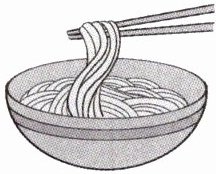
cooked. If it sticks(粘住), then it's ready to eat. But if it falls, then it still needs time to cook. Do Chinese do the same thing as Italians?
()1. Why did Jorge's Chinese friend take his family to a restaurant in Beijing?
A. To learn cooking Chinese dishes.
B. To eat a famous Chinese dish.
C. To show how to make an Italian dish.
D. To talk about cultural differences.
()2. What does the underlined word "unique" in Paragraph 1 mean?
A. Similar.
B. Boring.
C. Important.
D. Special.
()3. Which of the following can be put in "" in Paragraph 3?
A. Pasta made me think of my old life.
B. Ban mian made me think of my grandma.
C. Ban mian made me think of the history of pasta.
D. Pasta made me think of the history of Chinese ban mian.
()4. What did Grandma teach the writer in Paragraph 4?
A. How to throw the pasta.
B. How to cook the pasta.
C. When to eat the pasta.
D. When to cook the pasta.
()5. What is the main idea of the text?
A. Pasta comes from China.
B. Food can be a bridge between cultures.
C. The Italian explorer Marco Polo is great.
D. Chinese food is popular in Italy.
An experience in China showed me how food can cross cultures. A Chinese friend took my family to a restaurant in Beijing to show me a famous dish. He told me it was something unique and we didn't eat it before.
Then I found it was ban mian. It was delicious, but I thought I tried it before. Is this not just pasta(意大利面) with Chinese style?
Italian explorer(探险家) Marco Polo brought back pasta from China in the 13th century. Then it came to the UK and it kept changing.
Over the meal, I also looked back at my family's history. My father's family is Italian. My grandma told me that throwing the pasta on the wall can help to see if it's
cooked. If it sticks(粘住), then it's ready to eat. But if it falls, then it still needs time to cook. Do Chinese do the same thing as Italians?
()1. Why did Jorge's Chinese friend take his family to a restaurant in Beijing?
A. To learn cooking Chinese dishes.
B. To eat a famous Chinese dish.
C. To show how to make an Italian dish.
D. To talk about cultural differences.
()2. What does the underlined word "unique" in Paragraph 1 mean?
A. Similar.
B. Boring.
C. Important.
D. Special.
()3. Which of the following can be put in "" in Paragraph 3?
A. Pasta made me think of my old life.
B. Ban mian made me think of my grandma.
C. Ban mian made me think of the history of pasta.
D. Pasta made me think of the history of Chinese ban mian.
()4. What did Grandma teach the writer in Paragraph 4?
A. How to throw the pasta.
B. How to cook the pasta.
C. When to eat the pasta.
D. When to cook the pasta.
()5. What is the main idea of the text?
A. Pasta comes from China.
B. Food can be a bridge between cultures.
C. The Italian explorer Marco Polo is great.
D. Chinese food is popular in Italy.
答案
1.B 2.D 3.C 4.C 5.B
解析
1. 细节理解题,根据原文第一段“A Chinese friend took my family to a restaurant in Beijing to show me a famous dish.”可知,朋友带Jorge一家去北京的餐馆是为了品尝一道著名的中国菜,对应选项B。
2. 词义猜测题,根据后文“we didn't eat it before”(我们之前从没吃过它),可推断这个词的含义是“特别的、独特的”,和Special意思一致,选D。
3. 推理判断题,空格前提到Jorge发现ban mian很像中式的意大利面,空格后介绍了马可波罗从中国带回意大利面的相关历史,因此空格处内容应该是ban mian让Jorge联想到了意大利面的历史,对应选项C。
4. 细节理解题,根据第四段奶奶的描述“If it sticks, then it's ready to eat. But if it falls, then it still needs time to cook.”可知,奶奶教Jorge判断意大利面什么时候可以食用,对应选项C。
5. 主旨大意题,文章开篇就点出“An experience in China showed me how food can cross cultures.”,全文围绕食物连接不同文化的内容展开,说明食物可以成为不同文化之间的桥梁,对应选项B。
2. 词义猜测题,根据后文“we didn't eat it before”(我们之前从没吃过它),可推断这个词的含义是“特别的、独特的”,和Special意思一致,选D。
3. 推理判断题,空格前提到Jorge发现ban mian很像中式的意大利面,空格后介绍了马可波罗从中国带回意大利面的相关历史,因此空格处内容应该是ban mian让Jorge联想到了意大利面的历史,对应选项C。
4. 细节理解题,根据第四段奶奶的描述“If it sticks, then it's ready to eat. But if it falls, then it still needs time to cook.”可知,奶奶教Jorge判断意大利面什么时候可以食用,对应选项C。
5. 主旨大意题,文章开篇就点出“An experience in China showed me how food can cross cultures.”,全文围绕食物连接不同文化的内容展开,说明食物可以成为不同文化之间的桥梁,对应选项B。
