

 登录
登录
五、短文填空
A(2026·名师原创)
KEY→P30
范畴:人与社会 主题:传统工艺 体裁:说明文 难度:★★★★ 建议用时:7分钟 评价:/10
根据短文意思和首字母提示,写出一个完整正确的单词。
热考素材 中华优秀传统文化 Long ago, during the Shang Dynasty, people
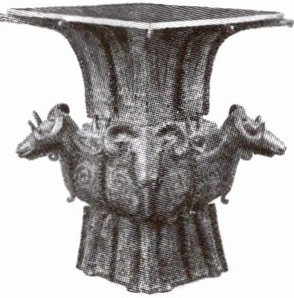
used a special bronze vessel(青铜器) to pray for good 1. l
The Four-goat Square Zun is not an ordinary wine vessel. It is 58.3 centimeters tall and 3. w
Archaeologists(考古学家) say it was made with a special two-step 5. m
The goat is also very meaningful. In ancient China, goats were raised everywhere. Young goats kneel to drink their mother's 8. m
This treasure was dug up in April 1938 in Hunan Province. Three farmers found it 9. s
——文章选自 Synotrip
A(2026·名师原创)
KEY→P30
范畴:人与社会 主题:传统工艺 体裁:说明文 难度:★★★★ 建议用时:7分钟 评价:/10
根据短文意思和首字母提示,写出一个完整正确的单词。
热考素材 中华优秀传统文化 Long ago, during the Shang Dynasty, people
used a special bronze vessel(青铜器) to pray for good 1. l
uck
. Its name is the Four-goat Square Zun(四羊方尊), and it is one of China's top ten national treasures. To 2. protect
this valuable treasure, the government does not allow it to be shown abroad.The Four-goat Square Zun is not an ordinary wine vessel. It is 58.3 centimeters tall and 3. w
eighs
34.5 kilograms. It was used to offer sacrifices(祭祀品) to gods and ancestors. It is the 4. largest
square bronze vessel from the Shang Dynasty that exists today.Archaeologists(考古学家) say it was made with a special two-step 5. m
ethod
. Workers first made the goat heads and horns separately, and then made them 6. together
with the whole vessel. The work is so 7. perfect
that it shows the high skill of ancient bronze makers.The goat is also very meaningful. In ancient China, goats were raised everywhere. Young goats kneel to drink their mother's 8. m
ilk
, so people see goats as a symbol of filial piety(孝顺) and kindness.This treasure was dug up in April 1938 in Hunan Province. Three farmers found it 9. s
uddenly
while working in the fields. Later, it was carefully protected. Even after thousands of years, it still looks 10. beautiful
. It uses its unique manner to tell an ancient story.——文章选自 Synotrip
答案
A
本文介绍了中国国宝四羊方尊。它是商代最大的青铜方尊,工艺精湛。1938年在湖南被意外发现,如今被妥善保护,是古代青铜工艺的杰出代表。
1. luck 人们用青铜器祈求好运。
2. protect 为了保护这件珍贵文物,政府不允许它在国外展出。
3. weighs 它重达34.5千克。主语是It,动词用第三人称单数形式。
4. largest 它是现存最大的青铜方尊。
5. method 它是用特殊的两步方法制作的。
6. together 羊头与羊角先分开制作,再与器身合成。
7. perfect 工艺如此完美,体现了高超技艺。
8. milk 小羊跪着喝妈妈的母乳。
9. suddenly 农民在田里干活时突然发现了它。
10. beautiful 历经千年,它看起来依然很漂亮。
本文介绍了中国国宝四羊方尊。它是商代最大的青铜方尊,工艺精湛。1938年在湖南被意外发现,如今被妥善保护,是古代青铜工艺的杰出代表。
1. luck 人们用青铜器祈求好运。
2. protect 为了保护这件珍贵文物,政府不允许它在国外展出。
3. weighs 它重达34.5千克。主语是It,动词用第三人称单数形式。
4. largest 它是现存最大的青铜方尊。
5. method 它是用特殊的两步方法制作的。
6. together 羊头与羊角先分开制作,再与器身合成。
7. perfect 工艺如此完美,体现了高超技艺。
8. milk 小羊跪着喝妈妈的母乳。
9. suddenly 农民在田里干活时突然发现了它。
10. beautiful 历经千年,它看起来依然很漂亮。
B
KEY→P30
范畴:人与自我 主题:学习体验 体裁:应用文 难度:★★★ 建议用时:5分钟 评价:/5
根据对话内容,从下面方框中选择适当的单词或短语填空,使对话内容完整正确。(有一个多余)
developing on our own later rather than differences ourselves
新模态 访谈 Matthew Thomas is 15 and his brother Paul is 13. They are in a Chilean city in
英语嗨吧
South America for a year because their parents are scientists there. They study at home 1.
Q: What's your daily life like?
M: Well, it's different every day. Usually, we start around 9 a. m. —a lot 2.
Q: Can you tell us about the good things of studying at home?
M: Sure! The best part is that we can study in our own way. We learn some usual subjects like Maths and English all by 3.
Q: What about the challenges?
M: There are some 4.

KEY→P30
范畴:人与自我 主题:学习体验 体裁:应用文 难度:★★★ 建议用时:5分钟 评价:/5
根据对话内容,从下面方框中选择适当的单词或短语填空,使对话内容完整正确。(有一个多余)
developing on our own later rather than differences ourselves
新模态 访谈 Matthew Thomas is 15 and his brother Paul is 13. They are in a Chilean city in
英语嗨吧
South America for a year because their parents are scientists there. They study at home 1.
rather than
going to school. Here is our interview with Matthew about home education.Q: What's your daily life like?
M: Well, it's different every day. Usually, we start around 9 a. m. —a lot 2.
later
than regular schools. Our parents help us make a weekly plan every Sunday. My brother and I don't study together because we're at different grade levels.Q: Can you tell us about the good things of studying at home?
M: Sure! The best part is that we can study in our own way. We learn some usual subjects like Maths and English all by 3.
ourselves
. But we don't have a fixed timetable. If I'm interested in a topic, I can spend more time on it.Q: What about the challenges?
M: There are some 4.
differences
between home schooling and studying at school. We sometimes feel lonely. It's not easy to make new friends here when you don't go to a local school. Also, we need to be very good at managing our time. Otherwise, we may have trouble 5. developing
good habits without teachers' help.答案
B
15岁的马修和13岁的保罗因父母工作在智利待一年,选择在家学习而非去学校,并通过采访分享了在家学习的日常、好处与挑战。
1. rather than 根据"Here is our interview with Matthew about home education."可知,他们是在家学习而不是去学校。
2. later 此处需填形容词比较级。later 表示"更晚的",符合语境。
3. ourselves 此处需填反身代词,主语为We,反身代词为ourselves。
4. differences 居家学习和在校学习之间有一些差异。differences 符合语境。
5. developing 他们在养成好习惯方面有困难。have trouble doing sth. 做某事有困难。
15岁的马修和13岁的保罗因父母工作在智利待一年,选择在家学习而非去学校,并通过采访分享了在家学习的日常、好处与挑战。
1. rather than 根据"Here is our interview with Matthew about home education."可知,他们是在家学习而不是去学校。
2. later 此处需填形容词比较级。later 表示"更晚的",符合语境。
3. ourselves 此处需填反身代词,主语为We,反身代词为ourselves。
4. differences 居家学习和在校学习之间有一些差异。differences 符合语境。
5. developing 他们在养成好习惯方面有困难。have trouble doing sth. 做某事有困难。
