

 登录
B(2024·无锡江阴期中)
Labour classes at school can help students be active, creative and happy in life. At the same time, students can learn the meaning of labour. So from this September, students in middle school will have at least one labour class a week.
There are many interesting labour classes now. Students from a school in Chongqing have a class about catching fish in the river and learning about their habits. In Shanxi Province, students make tofu with beans. They also cook it by themselves. The labour classes make them feel happy when they cook delicious meals. Some students also keep small animals at home like chickens. This helps students learn how to care about living things and also makes them more interested in biology.
According to the new policy(政策), middle school students need to learn the following skills in labour classes: clean their rooms and classrooms, pick proper(合适的) clothes for travel, cook three or four meals, and take part in labour activities such as planting or fishing.
A study shows that doing labour work is good for students. The students can get more self-control(自制力), do better in school, and feel happier from it. Labour classes not only teach them important skills but also are a great way to relax(放松) during a busy school day. So which kind of labour skill do you want to learn most?
1. What can students learn in the labour class?
A. Eating habits.
B. Interesting stories.
C. Different animals.
D. Cooking skills.
2. If you want to travel, the labour classes can teach you
A. how to book tickets
B. how to choose proper clothes
C. how to clean the room
D. how to cook meals in other cities
3. What can we learn from the text?
A. Labour classes can only teach students some cooking skills.
B. Labour classes make the students' school day busier.
C. Students will lose control if they don't take labour classes.
D. Students may feel happier by doing labour work.
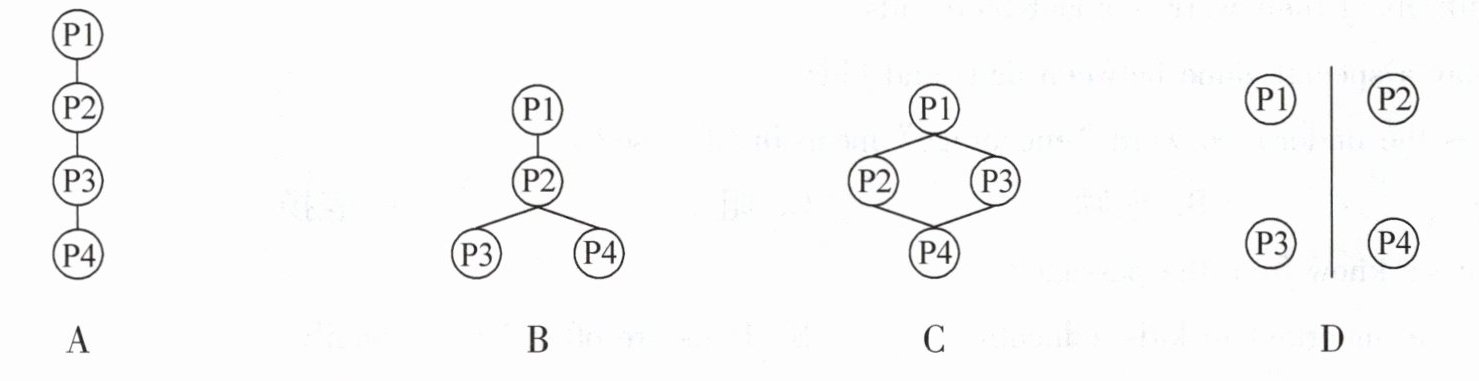
4. What is the structure of the passage? (P=Paragraph)
Labour classes at school can help students be active, creative and happy in life. At the same time, students can learn the meaning of labour. So from this September, students in middle school will have at least one labour class a week.
There are many interesting labour classes now. Students from a school in Chongqing have a class about catching fish in the river and learning about their habits. In Shanxi Province, students make tofu with beans. They also cook it by themselves. The labour classes make them feel happy when they cook delicious meals. Some students also keep small animals at home like chickens. This helps students learn how to care about living things and also makes them more interested in biology.
According to the new policy(政策), middle school students need to learn the following skills in labour classes: clean their rooms and classrooms, pick proper(合适的) clothes for travel, cook three or four meals, and take part in labour activities such as planting or fishing.
A study shows that doing labour work is good for students. The students can get more self-control(自制力), do better in school, and feel happier from it. Labour classes not only teach them important skills but also are a great way to relax(放松) during a busy school day. So which kind of labour skill do you want to learn most?
1. What can students learn in the labour class?
A. Eating habits.
B. Interesting stories.
C. Different animals.
D. Cooking skills.
2. If you want to travel, the labour classes can teach you
B
.A. how to book tickets
B. how to choose proper clothes
C. how to clean the room
D. how to cook meals in other cities
3. What can we learn from the text?
A. Labour classes can only teach students some cooking skills.
B. Labour classes make the students' school day busier.
C. Students will lose control if they don't take labour classes.
D. Students may feel happier by doing labour work.
4. What is the structure of the passage? (P=Paragraph)
答案
B
【语篇导读】本文以中学开展的各种形式的劳动课为例,说明了体力劳动对学生的益处。
1. D 提示:细节理解题。根据第二段第三、四句“In Shanxi Province, students make tofu with beans. They also cook it by themselves.”以及第三段中“cook three or four meals”可知,学生可以在劳动课上学到一些烹饪技巧。
2. B 提示:细节理解题。根据第三段中“pick proper clothes for travel”可知,劳动课可以教学生如何在旅行时选择合适的衣服。
3. D 提示:细节理解题。根据最后一段第一、二句“A study shows that doing labour work is good for students. The students can get more self-control, do better in school, and feel happier from it.”可知,体力劳动可以让学生感到更快乐。
4. C 提示:篇章结构题。文章第一段开门见山,说明文章讨论的话题——劳动课;随后第二、三段介绍了劳动课上可以学到的技能;第四段总结了劳动课的好处。
长难句分析
A study shows that doing labour work is good for students.
译文:一项研究表明,体力劳动对学生有益。
分析:本句是主从复合句。
主句:A study shows。
宾语从句:doing labour work is good for students。该从句中 doing labour work 是动名词短语作主语。
解析
【分析】
这是一篇关于劳动课的英语阅读理解题,解题思路为:1. 细节理解题需定位原文中与题干关键词匹配的内容,提取对应信息;2. 篇章结构题需梳理各段落主旨,划分文章的结构层次。第1题定位“劳动课上学到的内容”,第2题定位“旅行相关的劳动技能”,第3题定位“劳动对学生的益处”,第4题梳理各段落功能判断结构。
【解析】
1. 细节理解题:根据第二段“山西的学生用豆子做豆腐并自己烹饪”及第三段“学习烹饪三四餐”,可知学生能在劳动课上学到烹饪技巧,故选D。
2. 细节理解题:根据第三段“劳动课会教学生为旅行挑选合适的衣服”,可知选B。
3. 细节理解题:根据最后一段“劳动对学生有益,学生能从劳动中感到更快乐”,可知选D。
4. 篇章结构题:第一段引出劳动课话题,第二、三段介绍劳动课内容与技能,第四段总结劳动的好处,结构为总-分-总,对应选项C。
【答案】
1.D 2.B 3.D 4.C
【知识点】
英语阅读理解、细节理解、篇章结构
【点评】
本文围绕劳动课展开,考查学生的细节查找与篇章分析能力,题目设置贴合文本,难度适中,帮助学生理解劳动课的意义。
【难度系数】
0.6
