

 登录
登录
Ⅲ.选词填空
从方框中选择单词,用其正确形式填空,有两个单词是多余的。
certainly taxi wallet if half
understanding trust themselves surely
unless upset teenager
It's normal for teenagers to make some mistakes 1.
First, don't keep the mistakes to 3.
The second step is to find a way to solve the problem. For example, Ben left his 8.
从方框中选择单词,用其正确形式填空,有两个单词是多余的。
certainly taxi wallet if half
understanding trust themselves surely
unless upset teenager
It's normal for teenagers to make some mistakes 1.
unless
they are very careful. If they make mistakes, don't be 2. upset
or angry. Here's some advice that experts give them.First, don't keep the mistakes to 3.
themselves
. Teenagers can talk to a person who they 4. trust
. Parents and teachers are 5. understanding
and have more experience. 6. Teenagers
can ask them for help. Sharing a problem is like cutting it in 7. half
.The second step is to find a way to solve the problem. For example, Ben left his 8.
wallet
in a taxi when he is travelling. He can call the 9. taxi
agent first. If he knows the driver's telephone number, he can call the driver 10. certainly
. There is also something else he can do by himself.答案
1. unless 2. upset 3. themselves 4. trust 5. understanding 6. Teenagers 7. half 8. wallet 9. taxi 10. certainly
解析
【分析】
先通读全文理解文章大意(关于青少年犯错后的处理建议),再逐句分析每个空格所需的词性、语义,结合方框内单词匹配合适选项,同时注意固定搭配、语法规则,最后排除多余单词完成填空。
【解析】
1. 空格1:前后句逻辑为“除非青少年非常小心,否则犯错正常”,选连词unless;
2. 空格2:be动词后需形容词,与angry并列,选upset(沮丧的);
3. 空格3:固定搭配keep sth to oneself(保守秘密),主语为teenagers,用反身代词themselves;
4. 空格4:定语从句缺谓语,结合语境“他们信任的人”,选动词trust;
5. 空格5:be动词后需形容词,描述父母老师的特点,选understanding(善解人意的);
6. 空格6:句子缺主语,结合语境“青少年可以求助”,选名词Teenagers(句首大写);
7. 空格7:固定搭配cut...in half(分成两半),选half;
8. 空格8:结合语境“落在出租车里的物品”,选名词wallet;
9. 空格9:固定搭配taxi agent(出租车公司),选taxi;
10. 空格10:修饰动词call用副词,选certainly;多余单词为surely、if。
【答案】
1. unless 2. upset 3. themselves 4. trust 5. understanding 6. Teenagers 7. half 8. wallet 9. taxi 10. certainly
【知识点】
词汇运用、固定搭配、词性辨析
【点评】
本题为常见选词填空题,需结合语境、固定搭配及语法规则选择单词,考查学生基础词汇运用能力,难度适中。
【难度系数】
0.6
先通读全文理解文章大意(关于青少年犯错后的处理建议),再逐句分析每个空格所需的词性、语义,结合方框内单词匹配合适选项,同时注意固定搭配、语法规则,最后排除多余单词完成填空。
【解析】
1. 空格1:前后句逻辑为“除非青少年非常小心,否则犯错正常”,选连词unless;
2. 空格2:be动词后需形容词,与angry并列,选upset(沮丧的);
3. 空格3:固定搭配keep sth to oneself(保守秘密),主语为teenagers,用反身代词themselves;
4. 空格4:定语从句缺谓语,结合语境“他们信任的人”,选动词trust;
5. 空格5:be动词后需形容词,描述父母老师的特点,选understanding(善解人意的);
6. 空格6:句子缺主语,结合语境“青少年可以求助”,选名词Teenagers(句首大写);
7. 空格7:固定搭配cut...in half(分成两半),选half;
8. 空格8:结合语境“落在出租车里的物品”,选名词wallet;
9. 空格9:固定搭配taxi agent(出租车公司),选taxi;
10. 空格10:修饰动词call用副词,选certainly;多余单词为surely、if。
【答案】
1. unless 2. upset 3. themselves 4. trust 5. understanding 6. Teenagers 7. half 8. wallet 9. taxi 10. certainly
【知识点】
词汇运用、固定搭配、词性辨析
【点评】
本题为常见选词填空题,需结合语境、固定搭配及语法规则选择单词,考查学生基础词汇运用能力,难度适中。
【难度系数】
0.6
Ⅳ.任务型阅读
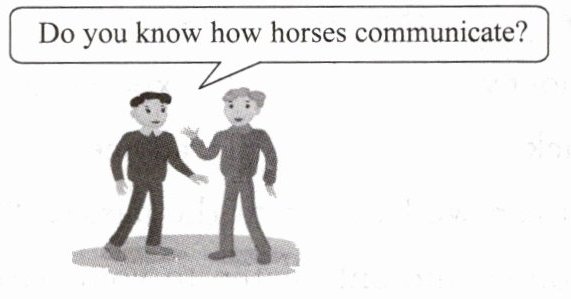
Do you know how horses communicate?
Horses are big and beautiful animals. They are fun to watch and fun to ride. Horses can't talk, but they can communicate. Do you want to know how they communicate? In fact, horses use some different ways to communicate.
Horses communicate by neighing(嘶鸣). Horses neigh to find other horses. A neigh is a horse's way of saying, "Hi, everybody! I'm here. Where are you?" When other horses hear its neigh, they usually neigh to it.
Horses communicate by nickering(轻声嘶鸣). A nicker is softer and lower than a neigh. It is a greeting. It's just like a friendly "Hello!". Horses will nicker when they see their owners. They will also nicker to other horses.
Horses also communicate by body language. You can tell how a horse feels by watching its tail. When a horse's tail is high, it is happy. A high tail is its way of saying, "I'm excited and I have a lot of energy today!" A horse that has a droopy tail may be unhappy or tired. When a horse shakes its tail from side to side, watch out! It might be angry.
阅读短文,回答下面5个问题。
1. What do horses neigh for?
2. How do horses greet each other?
3. How many ways do horses use to communicate according to the text?
4. How does the horse feel if you see a horse shaking its tail from side to side?
5. [新考法·开放性设问] How can you tell whether a horse is happy or angry?
阶段巩固,请使用 "单元质量测评(八)"
"期末素养评估"
Do you know how horses communicate?
Horses are big and beautiful animals. They are fun to watch and fun to ride. Horses can't talk, but they can communicate. Do you want to know how they communicate? In fact, horses use some different ways to communicate.
Horses communicate by neighing(嘶鸣). Horses neigh to find other horses. A neigh is a horse's way of saying, "Hi, everybody! I'm here. Where are you?" When other horses hear its neigh, they usually neigh to it.
Horses communicate by nickering(轻声嘶鸣). A nicker is softer and lower than a neigh. It is a greeting. It's just like a friendly "Hello!". Horses will nicker when they see their owners. They will also nicker to other horses.
Horses also communicate by body language. You can tell how a horse feels by watching its tail. When a horse's tail is high, it is happy. A high tail is its way of saying, "I'm excited and I have a lot of energy today!" A horse that has a droopy tail may be unhappy or tired. When a horse shakes its tail from side to side, watch out! It might be angry.
阅读短文,回答下面5个问题。
1. What do horses neigh for?
They neigh to find other horses.
2. How do horses greet each other?
By nickering.
3. How many ways do horses use to communicate according to the text?
Three.
4. How does the horse feel if you see a horse shaking its tail from side to side?
It might be angry.
5. [新考法·开放性设问] How can you tell whether a horse is happy or angry?
When a horse's tail is high, it is happy. When a horse shakes its tail from side to side, it might be angry.
阶段巩固,请使用 "单元质量测评(八)"
"期末素养评估"
答案
1. They neigh to find other horses.
2. By nickering.
3. Three.
4. It might be angry.
5. When a horse's tail is high, it is happy. When a horse shakes its tail from side to side, it might be angry.
2. By nickering.
3. Three.
4. It might be angry.
5. When a horse's tail is high, it is happy. When a horse shakes its tail from side to side, it might be angry.
解析
【分析】本题为任务型阅读,需先明确每个问题的核心,再带着问题在原文中定位对应信息:第1题询问马嘶鸣的目的,定位第二段;第2题询问马问候的方式,定位第三段;第3题统计马的沟通方式数量,梳理全文提到的沟通方法;第4题询问马摇尾巴的情绪,定位第四段相关内容;第5题开放性设问,需结合原文中马开心和生气对应的肢体表现作答。
【解析】1. 从原文第二段“Horses neigh to find other horses.”可直接得出答案;2. 原文第三段提到“A nicker is softer and lower than a neigh. It is a greeting.”,可知马通过轻声嘶鸣(nickering)问候;3. 文中明确提到马用neigh(嘶鸣)、nickering(轻声嘶鸣)、body language(肢体语言)三种方式沟通;4. 原文第四段最后一句“When a horse shakes its tail from side to side, watch out! It might be angry.”说明马摇尾巴时可能生气;5. 结合第四段内容,马尾巴高时是开心,摇尾巴时可能生气,据此作答。
【答案】1. They neigh to find other horses.
2. By nickering.
3. Three.
4. It might be angry.
5. When a horse's tail is high, it is happy. When a horse shakes its tail from side to side, it might be angry.
【知识点】任务型阅读;细节理解;信息定位
【点评】本题考查任务型阅读的信息提取能力,多数问题为细节定位题,难度较低,最后一题开放性设问需结合原文内容合理作答,整体适合学生巩固阅读技巧。
【难度系数】0.3
【解析】1. 从原文第二段“Horses neigh to find other horses.”可直接得出答案;2. 原文第三段提到“A nicker is softer and lower than a neigh. It is a greeting.”,可知马通过轻声嘶鸣(nickering)问候;3. 文中明确提到马用neigh(嘶鸣)、nickering(轻声嘶鸣)、body language(肢体语言)三种方式沟通;4. 原文第四段最后一句“When a horse shakes its tail from side to side, watch out! It might be angry.”说明马摇尾巴时可能生气;5. 结合第四段内容,马尾巴高时是开心,摇尾巴时可能生气,据此作答。
【答案】1. They neigh to find other horses.
2. By nickering.
3. Three.
4. It might be angry.
5. When a horse's tail is high, it is happy. When a horse shakes its tail from side to side, it might be angry.
【知识点】任务型阅读;细节理解;信息定位
【点评】本题考查任务型阅读的信息提取能力,多数问题为细节定位题,难度较低,最后一题开放性设问需结合原文内容合理作答,整体适合学生巩固阅读技巧。
【难度系数】0.3
