

 登录
登录
新素材素材来源: Vocal Media
[2026 原创] Zhuge Liang was a very smart man in the Shu Kingdom during the Three Kingdoms period in ancient China. One of his most famous stories is the "Empty Fort Strategy".
One day, the Wei Kingdom's army, led by the great general Sima Yi, was marching towards a small city called Xicheng. Zhuge Liang was in Xicheng, but he only had a few officials and no soldiers to fight. He knew Sima Yi's army was very large and strong. What could he do?
Instead of running away, Zhuge Liang came up with a brave plan. He ordered his men to open the city gates wide. Then, he told some old men to sweep the streets near the gates, acting very calmly. Zhuge Liang himself went to the top of the city wall, sat there, and started to play a musical instrument peacefully.
When Sima Yi and his army arrived, they were shocked. They saw the open gates and Zhuge Liang playing music calmly on the wall. Sima Yi knew Zhuge Liang was always very careful. He thought, "This must be a trick. If I enter the city, his hidden soldiers will attack us."
Sima Yi became very worried. He did not want to lose his army in a trap. After thinking for a long time, he decided it was too risky. He ordered his whole army to turn back and leave.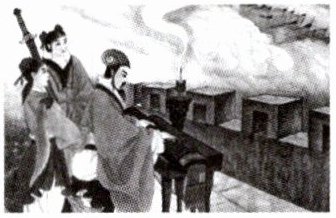
In this way, Zhuge Liang used his intelligence, not soldiers, to save the city. The story teaches us that a clever mind can be more powerful than a strong army.
(
A. He feared a hidden trap.
B. He got orders to go back.
C. He saw no one in the city.
D. The music sounded strange.
(
A. The city would be safe.
B. Sima Yi would still leave.
C. Sima Yi would attack at once.
D. Zhuge Liang would ask for help.
(
A. Through a personal interview.
B. In the order of events happening.
C. By describing Sima Yi's feelings.
D. By focusing on Zhuge Liang's plan.
(
A. Do not trust enemies.
B. Music can win a battle.
C. Always keep a big army.
D. A smart mind beats force.
(
A. A news article.
B. A personal diary.
C. A historical story.
D. A scientific report.
[2026 原创] Zhuge Liang was a very smart man in the Shu Kingdom during the Three Kingdoms period in ancient China. One of his most famous stories is the "Empty Fort Strategy".
One day, the Wei Kingdom's army, led by the great general Sima Yi, was marching towards a small city called Xicheng. Zhuge Liang was in Xicheng, but he only had a few officials and no soldiers to fight. He knew Sima Yi's army was very large and strong. What could he do?
Instead of running away, Zhuge Liang came up with a brave plan. He ordered his men to open the city gates wide. Then, he told some old men to sweep the streets near the gates, acting very calmly. Zhuge Liang himself went to the top of the city wall, sat there, and started to play a musical instrument peacefully.
When Sima Yi and his army arrived, they were shocked. They saw the open gates and Zhuge Liang playing music calmly on the wall. Sima Yi knew Zhuge Liang was always very careful. He thought, "This must be a trick. If I enter the city, his hidden soldiers will attack us."
Sima Yi became very worried. He did not want to lose his army in a trap. After thinking for a long time, he decided it was too risky. He ordered his whole army to turn back and leave.
In this way, Zhuge Liang used his intelligence, not soldiers, to save the city. The story teaches us that a clever mind can be more powerful than a strong army.
(
A
)1. Why did Sima Yi decide to leave?A. He feared a hidden trap.
B. He got orders to go back.
C. He saw no one in the city.
D. The music sounded strange.
(
C
)2. If Zhuge Liang had closed the gates, what might have happened?A. The city would be safe.
B. Sima Yi would still leave.
C. Sima Yi would attack at once.
D. Zhuge Liang would ask for help.
(
B
)3. How is the story told in the passage?A. Through a personal interview.
B. In the order of events happening.
C. By describing Sima Yi's feelings.
D. By focusing on Zhuge Liang's plan.
(
D
)4. What is the main lesson of the story?A. Do not trust enemies.
B. Music can win a battle.
C. Always keep a big army.
D. A smart mind beats force.
(
C
)5. 新考法文本类型What kind of text is this?A. A news article.
B. A personal diary.
C. A historical story.
D. A scientific report.
答案
外刊阅读速递
刷外刊
阅读理解·语篇导读 本文讲述了中国古代三国时期诸葛亮运用“空城计”的故事。
快速对答案 1—5 A C B D C
1. A 细节理解题。根据第四段的“He thought, ‘This must be a trick. If I enter the city, his hidden soldiers will attack us. ’”以及第五段的“He did not want to lose his army in a trap… turn back and leave. ”可知,司马懿因为害怕城中有埋伏而决定撤退。故选A项。
2. C 推理判断题。根据第二段的no soldiers to fight和very large and strong可知,如果诸葛亮采取常规的防御措施——关闭城门,在司马懿看来这就是正常的抵抗。面对实力悬殊的情况,司马懿没有任何理由撤退,最合乎逻辑的行动就是利用其强大的兵力立即攻城。故选C项。
3. B 推理判断题。文章首先交代背景(司马懿大军压境),然后描述诸葛亮的应对计划,接着是司马懿到达后的所见所想,最后是他的决定和故事的结局。这是一个清晰的线性叙
[图1 第2题图]
知识拓展
at the moment
在此时;在此刻
at that moment
在那时;在那刻
for the moment
暂时;目前
知识拓展
be full of = be filled with 充满……
链接狂K
“It takes (sb) some time to do sth. ”句型的详细讲解见狂K重点P29。
事结构。故选B项。
4. D 主旨大意题。根据“The story teaches us that a clever mind can be more powerful than a strong army. ”可知选项D是这句话最准确的同义转述。故选D项。
5. C 推理判断题。文章讲述的是发生在中国古代、涉及真实历史人物(诸葛亮、司马懿)的著名故事,是一个典型的历史故事。故选C项。
刷外刊
阅读理解·语篇导读 本文讲述了中国古代三国时期诸葛亮运用“空城计”的故事。
快速对答案 1—5 A C B D C
1. A 细节理解题。根据第四段的“He thought, ‘This must be a trick. If I enter the city, his hidden soldiers will attack us. ’”以及第五段的“He did not want to lose his army in a trap… turn back and leave. ”可知,司马懿因为害怕城中有埋伏而决定撤退。故选A项。
2. C 推理判断题。根据第二段的no soldiers to fight和very large and strong可知,如果诸葛亮采取常规的防御措施——关闭城门,在司马懿看来这就是正常的抵抗。面对实力悬殊的情况,司马懿没有任何理由撤退,最合乎逻辑的行动就是利用其强大的兵力立即攻城。故选C项。
3. B 推理判断题。文章首先交代背景(司马懿大军压境),然后描述诸葛亮的应对计划,接着是司马懿到达后的所见所想,最后是他的决定和故事的结局。这是一个清晰的线性叙
[图1 第2题图]
知识拓展
at the moment
在此时;在此刻
at that moment
在那时;在那刻
for the moment
暂时;目前
知识拓展
be full of = be filled with 充满……
链接狂K
“It takes (sb) some time to do sth. ”句型的详细讲解见狂K重点P29。
事结构。故选B项。
4. D 主旨大意题。根据“The story teaches us that a clever mind can be more powerful than a strong army. ”可知选项D是这句话最准确的同义转述。故选D项。
5. C 推理判断题。文章讲述的是发生在中国古代、涉及真实历史人物(诸葛亮、司马懿)的著名故事,是一个典型的历史故事。故选C项。
解析
【分析】先通读全文,明确文章讲述三国时期诸葛亮使用空城计智退司马懿大军的故事,把握核心内容。针对不同题目类型采用对应解题方法:1. 细节理解题,定位原文中关于司马懿撤退原因的相关语句;2. 推理判断题,结合双方兵力、人物性格及常规逻辑推导;3. 叙事顺序题,梳理文章事件发展脉络;4. 主旨大意题,定位原文体现故事教训的语句;5. 文本类型题,结合文章内容性质判断。
【解析】1. 细节理解题:根据原文第四段司马懿的想法“这一定是个圈套,如果我进城,他的伏兵会攻击我们”及第五段“他不想在陷阱中损失军队,决定撤退”,可知司马懿因害怕埋伏离开,故选A。2. 推理判断题:诸葛亮当时无兵,若关闭城门,司马懿会认为是正常抵抗,结合其大军强大、性格谨慎,会立刻攻城,故选C。3. 推理判断题:文章按“司马懿大军压境→诸葛亮制定计划→司马懿到达后的反应→司马懿撤退→故事结局”的事件顺序叙述,故选B。4. 主旨大意题:原文最后一段明确“聪明的头脑比强大的军队更有力量”,对应选项D,故选D。5. 推理判断题:文章讲述涉及真实历史人物的古代著名故事,属于历史故事,故选C。
【答案】A C B D C
【知识点】英语阅读理解、细节理解题、主旨大意题
【点评】本题为英语阅读理解题,围绕中国古代经典历史故事展开,考查学生对细节信息定位、逻辑推理、主旨提炼及文本类型判断的能力,兼顾文化知识与阅读能力考查,符合英语阅读的核心考点。
【难度系数】0.6
【解析】1. 细节理解题:根据原文第四段司马懿的想法“这一定是个圈套,如果我进城,他的伏兵会攻击我们”及第五段“他不想在陷阱中损失军队,决定撤退”,可知司马懿因害怕埋伏离开,故选A。2. 推理判断题:诸葛亮当时无兵,若关闭城门,司马懿会认为是正常抵抗,结合其大军强大、性格谨慎,会立刻攻城,故选C。3. 推理判断题:文章按“司马懿大军压境→诸葛亮制定计划→司马懿到达后的反应→司马懿撤退→故事结局”的事件顺序叙述,故选B。4. 主旨大意题:原文最后一段明确“聪明的头脑比强大的军队更有力量”,对应选项D,故选D。5. 推理判断题:文章讲述涉及真实历史人物的古代著名故事,属于历史故事,故选C。
【答案】A C B D C
【知识点】英语阅读理解、细节理解题、主旨大意题
【点评】本题为英语阅读理解题,围绕中国古代经典历史故事展开,考查学生对细节信息定位、逻辑推理、主旨提炼及文本类型判断的能力,兼顾文化知识与阅读能力考查,符合英语阅读的核心考点。
【难度系数】0.6
