

 登录
登录
四、阅读理解
Astronauts would face danger both getting to and surviving
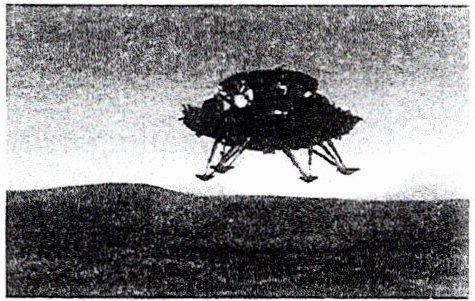
on Mars. Let's learn about surviving a trip to Mars.
What would it take to keep people safe and healthy on a trip
to Mars? Scientists are already working on it though the trip may
be many years later.
Over the last 60 years, many spacecraft have flown by, orbited (沿轨道运行) and even
landed on the red planet. However, humans could work faster and smarter than machines.
That's why the United States, China and other countries want to send people to Mars. But
surviving this trip would not be easy.
A trip to Mars would be the farthest journey in human history. Mars is about 225 million
kilometres away, so it would take astronauts at least six months to reach there. However, it
only takes a few days to get to the Moon.
While space travel is never free of danger, it takes a lot more health risks to travel in space
for a long time. For one thing, staying in space for long periods makes the human body weak.
For another, it puts pressure (压力) behind the eyes and causes eye problems. But gravity
machines could help.
Then there's space radiation (辐射) to worry about. It might raise the risk of health
problems, especially for astronauts who will have long journeys. Scientists are working out the
problems. They have found taking certain vitamins (维生素) can help.
Astronauts will have to pack light to lift off from Earth. But they won't be able to get
things they need like astronauts on the space station do. Astronauts on the space station
practise for this by growing lettuce and other food in space. Engineers are developing 3-D
printing techniques (技术) which could allow future Mars astronauts to build tools as needed.
(
A. A few days. B. At least six weeks.
C. At least six months. D. Over one year.
(
A. Spacecraft couldn't work on Mars.
B. A trip to the Moon would be the farthest journey in human history.
C. Space radiation might raise the risk of health problems for astronauts.
D. Taking certain vitamins can help reduce pressure behind the eyes in space.
(
A. some scientists have survived on Mars
B. Mars astronauts will be able to get things they need
C. Mars astronauts can grow lettuce and other food now
D. future Mars astronauts could print the tools they need on the spacecraft
(
A. surviving a trip to Mars B. spacecraft landing on Mars
C. future Mars astronauts D. faster and smarter humans
Astronauts would face danger both getting to and surviving
on Mars. Let's learn about surviving a trip to Mars.
What would it take to keep people safe and healthy on a trip
to Mars? Scientists are already working on it though the trip may
be many years later.
Over the last 60 years, many spacecraft have flown by, orbited (沿轨道运行) and even
landed on the red planet. However, humans could work faster and smarter than machines.
That's why the United States, China and other countries want to send people to Mars. But
surviving this trip would not be easy.
A trip to Mars would be the farthest journey in human history. Mars is about 225 million
kilometres away, so it would take astronauts at least six months to reach there. However, it
only takes a few days to get to the Moon.
While space travel is never free of danger, it takes a lot more health risks to travel in space
for a long time. For one thing, staying in space for long periods makes the human body weak.
For another, it puts pressure (压力) behind the eyes and causes eye problems. But gravity
machines could help.
Then there's space radiation (辐射) to worry about. It might raise the risk of health
problems, especially for astronauts who will have long journeys. Scientists are working out the
problems. They have found taking certain vitamins (维生素) can help.
Astronauts will have to pack light to lift off from Earth. But they won't be able to get
things they need like astronauts on the space station do. Astronauts on the space station
practise for this by growing lettuce and other food in space. Engineers are developing 3-D
printing techniques (技术) which could allow future Mars astronauts to build tools as needed.
(
C
) 1. How long would it take astronauts to reach Mars?A. A few days. B. At least six weeks.
C. At least six months. D. Over one year.
(
C
) 2. According to the passage, which of the following is TRUE?A. Spacecraft couldn't work on Mars.
B. A trip to the Moon would be the farthest journey in human history.
C. Space radiation might raise the risk of health problems for astronauts.
D. Taking certain vitamins can help reduce pressure behind the eyes in space.
(
D
) 3. In the last paragraph, the writer implies (暗示) that future Mars astronauts could print the tools they need on the spacecraft
.A. some scientists have survived on Mars
B. Mars astronauts will be able to get things they need
C. Mars astronauts can grow lettuce and other food now
D. future Mars astronauts could print the tools they need on the spacecraft
(
A
) 4. The passage mainly talks about surviving a trip to Mars
.A. surviving a trip to Mars B. spacecraft landing on Mars
C. future Mars astronauts D. faster and smarter humans
答案
四、1.C 2.C 3.D 4.A
解析
【分析】
1. 第1题:属于细节查找题,解题时先定位题目关键词“how long...reach Mars”,再到文中找到对应描述的段落,提取时间信息匹配选项即可。
2. 第2题:属于细节判断题,需要逐个分析选项,结合文中具体内容判断每个选项的正误,最终筛选出符合原文表述的选项。
3. 第3题:属于推理判断题,要仔细阅读最后一段内容,理解作者的暗示信息,逐一排除不符合原文的选项,得出正确的推理结论。
4. 第4题:属于主旨大意题,解题思路是抓住文章开头的主题句,结合全文内容总结文章核心话题,匹配对应的选项。
【解析】
1. 第1题:根据文章第四段“Mars is about 225 million kilometres away, so it would take astronauts at least six months to reach there.”可知,宇航员到达火星至少需要六个月,对应选项C。
2. 第2题:
A选项:文章第三段提到“many spacecraft have flown by, orbited and even landed on the red planet”,说明航天器可以在火星运作,A错误;
B选项:第四段指出“A trip to Mars would be the farthest journey in human history”,并非月球之旅,B错误;
C选项:第五段提到“Then there's space radiation (辐射) to worry about. It might raise the risk of health problems, especially for astronauts who will have long journeys.”,该表述符合原文,C正确;
D选项:文中提到维生素是应对太空辐射的,重力机器帮助缓解眼部压力,D错误。
综上,选C。
3. 第3题:根据最后一段“Engineers are developing 3-D printing techniques (技术) which could allow future Mars astronauts to build tools as needed.”可知,未来火星宇航员可以按需打印工具,对应选项D。A选项文中未提及有人在火星生存;B选项与文中“they won't be able to get things they need like astronauts on the space station do”不符;C选项是空间站宇航员的做法,并非火星宇航员现在能做到的,均排除。
4. 第4题:文章开头明确提出“Let's learn about surviving a trip to Mars”,全文围绕火星之旅中如何保障宇航员安全健康、面临的问题及解决办法展开,核心话题是火星之旅的生存问题,对应选项A。
【答案】
1.C 2.C 3.D 4.A
【知识点】
细节查找、推理判断、主旨大意
【点评】
这篇阅读理解围绕火星之旅的生存问题展开,考查了学生提取细节信息、推理判断以及总结主旨的能力,题目设置贴合文章内容,需要学生仔细阅读文本,准确匹配信息。
【难度系数】
0.6
1. 第1题:属于细节查找题,解题时先定位题目关键词“how long...reach Mars”,再到文中找到对应描述的段落,提取时间信息匹配选项即可。
2. 第2题:属于细节判断题,需要逐个分析选项,结合文中具体内容判断每个选项的正误,最终筛选出符合原文表述的选项。
3. 第3题:属于推理判断题,要仔细阅读最后一段内容,理解作者的暗示信息,逐一排除不符合原文的选项,得出正确的推理结论。
4. 第4题:属于主旨大意题,解题思路是抓住文章开头的主题句,结合全文内容总结文章核心话题,匹配对应的选项。
【解析】
1. 第1题:根据文章第四段“Mars is about 225 million kilometres away, so it would take astronauts at least six months to reach there.”可知,宇航员到达火星至少需要六个月,对应选项C。
2. 第2题:
A选项:文章第三段提到“many spacecraft have flown by, orbited and even landed on the red planet”,说明航天器可以在火星运作,A错误;
B选项:第四段指出“A trip to Mars would be the farthest journey in human history”,并非月球之旅,B错误;
C选项:第五段提到“Then there's space radiation (辐射) to worry about. It might raise the risk of health problems, especially for astronauts who will have long journeys.”,该表述符合原文,C正确;
D选项:文中提到维生素是应对太空辐射的,重力机器帮助缓解眼部压力,D错误。
综上,选C。
3. 第3题:根据最后一段“Engineers are developing 3-D printing techniques (技术) which could allow future Mars astronauts to build tools as needed.”可知,未来火星宇航员可以按需打印工具,对应选项D。A选项文中未提及有人在火星生存;B选项与文中“they won't be able to get things they need like astronauts on the space station do”不符;C选项是空间站宇航员的做法,并非火星宇航员现在能做到的,均排除。
4. 第4题:文章开头明确提出“Let's learn about surviving a trip to Mars”,全文围绕火星之旅中如何保障宇航员安全健康、面临的问题及解决办法展开,核心话题是火星之旅的生存问题,对应选项A。
【答案】
1.C 2.C 3.D 4.A
【知识点】
细节查找、推理判断、主旨大意
【点评】
这篇阅读理解围绕火星之旅的生存问题展开,考查了学生提取细节信息、推理判断以及总结主旨的能力,题目设置贴合文章内容,需要学生仔细阅读文本,准确匹配信息。
【难度系数】
0.6
