

 登录
登录
四 Choose, complete the sentences and draw. 首先选择对应的电视节目填在括号内,然后补全句子,最后将时间画到时钟上。
A. science fiction film B. cartoon C. sports programme
D. nature programme E. detective film
 () () () () ()
1. Mark l ______ watching the science fiction film. It begins at five.
2. Children love c ______ . Kung Fu Panda begins at ten to seven.
3. My dad loves to w ______ the sports programme. It begins at half past eight.
4. My favourite programmes a ______ nature programmes. Man and Nature begins at quarter past three.
5. My brother likes d ______ films. The film begins at twenty past four.
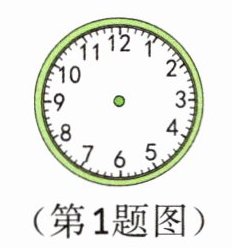 (第1题图)
 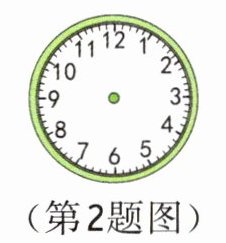 (第2题图)
  (第3题图)
 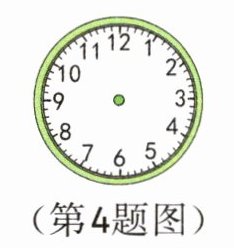 (第4题图)
 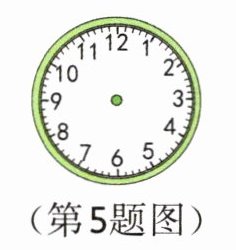 (第5题图)
A. science fiction film B. cartoon C. sports programme
D. nature programme E. detective film
() () () () ()1. Mark l ______ watching the science fiction film. It begins at five.
2. Children love c ______ . Kung Fu Panda begins at ten to seven.
3. My dad loves to w ______ the sports programme. It begins at half past eight.
4. My favourite programmes a ______ nature programmes. Man and Nature begins at quarter past three.
5. My brother likes d ______ films. The film begins at twenty past four.
(第1题图) (第2题图) (第3题图) (第4题图) (第5题图)答案
括号答案:C D E B A
1. likes/loves 2. cartoons 3. watch
4. are 5. detective
[图1 第1题图]
1. likes/loves 2. cartoons 3. watch
4. are 5. detective
[图1 第1题图]
解析
【分析】
首先明确题目要求:需先匹配电视节目填括号,再补全句子,最后画对应时间。第一步,根据句子中的节目描述匹配选项:第3题的“sports programme”对应C,第4题的“nature programmes”对应D,第5题的“films”结合选项对应E,第2题的“Kung Fu Panda”是卡通对应B,第1题的“science fiction film”对应A,确定括号答案。第二步,补全句子:根据主语单复数、固定搭配、首字母提示判断单词:第1题主语Mark是第三人称单数,用likes/loves;第2题“love”后接名词复数cartoons;第3题“love to do”用动词原形watch;第4题主语programmes是复数,be动词用are;第5题结合“films”填detective。第三步,根据时间短语对应时钟时刻画图。
【解析】
1. 括号节目匹配:
第3题提到“sports programme”,对应选项C;
第4题提到“nature programmes”,对应选项D;
第5题提到“films”,结合选项“detective film”,对应E;
第2题提到“Kung Fu Panda”(卡通片),对应B;
第1题提到“science fiction film”,对应A;
故括号答案为C D E B A。
2. 句子补全:
第1题:主语Mark是第三人称单数,一般现在时,“喜欢”用likes/loves;
第2题:“love”后接可数名词复数表一类,cartoon复数为cartoons;
第3题:固定搭配“love to do sth”,to后接动词原形watch;
第4题:主语programmes是复数,be动词用are;
第5题:结合“films”,填detective构成“detective film”;
3. 时间画图:第1题画5点,第2题画6:50,第3题画8:30,第4题画3:15,第5题画4:20。
【答案】
括号答案:C D E B A;1. likes/loves 2. cartoons 3. watch 4. are 5. detective;(时间:第1题时钟指5点,第2题指6:50,第3题指8:30,第4题指3:15,第5题指4:20)
【知识点】
英语词汇运用、一般现在时、固定搭配
【点评】
本题综合考察英语基础词汇、语法(主谓一致、固定搭配)及时间表达,题型贴近日常,需结合语境和提示完成,难度适中,适合基础阶段学生练习。
【难度系数】
0.5
首先明确题目要求:需先匹配电视节目填括号,再补全句子,最后画对应时间。第一步,根据句子中的节目描述匹配选项:第3题的“sports programme”对应C,第4题的“nature programmes”对应D,第5题的“films”结合选项对应E,第2题的“Kung Fu Panda”是卡通对应B,第1题的“science fiction film”对应A,确定括号答案。第二步,补全句子:根据主语单复数、固定搭配、首字母提示判断单词:第1题主语Mark是第三人称单数,用likes/loves;第2题“love”后接名词复数cartoons;第3题“love to do”用动词原形watch;第4题主语programmes是复数,be动词用are;第5题结合“films”填detective。第三步,根据时间短语对应时钟时刻画图。
【解析】
1. 括号节目匹配:
第3题提到“sports programme”,对应选项C;
第4题提到“nature programmes”,对应选项D;
第5题提到“films”,结合选项“detective film”,对应E;
第2题提到“Kung Fu Panda”(卡通片),对应B;
第1题提到“science fiction film”,对应A;
故括号答案为C D E B A。
2. 句子补全:
第1题:主语Mark是第三人称单数,一般现在时,“喜欢”用likes/loves;
第2题:“love”后接可数名词复数表一类,cartoon复数为cartoons;
第3题:固定搭配“love to do sth”,to后接动词原形watch;
第4题:主语programmes是复数,be动词用are;
第5题:结合“films”,填detective构成“detective film”;
3. 时间画图:第1题画5点,第2题画6:50,第3题画8:30,第4题画3:15,第5题画4:20。
【答案】
括号答案:C D E B A;1. likes/loves 2. cartoons 3. watch 4. are 5. detective;(时间:第1题时钟指5点,第2题指6:50,第3题指8:30,第4题指3:15,第5题指4:20)
【知识点】
英语词汇运用、一般现在时、固定搭配
【点评】
本题综合考察英语基础词汇、语法(主谓一致、固定搭配)及时间表达,题型贴近日常,需结合语境和提示完成,难度适中,适合基础阶段学生练习。
【难度系数】
0.5
五 Read and complete the dialogue with “Can I / Can you...”. 用“Can I/Can you...”补全对话,并根据图片情景来回答。
例:—Can you open the window, please? —Yes, I can. / No, I can't.
1. Can you turn on the TV, please? Yes,
2.
3.
4.
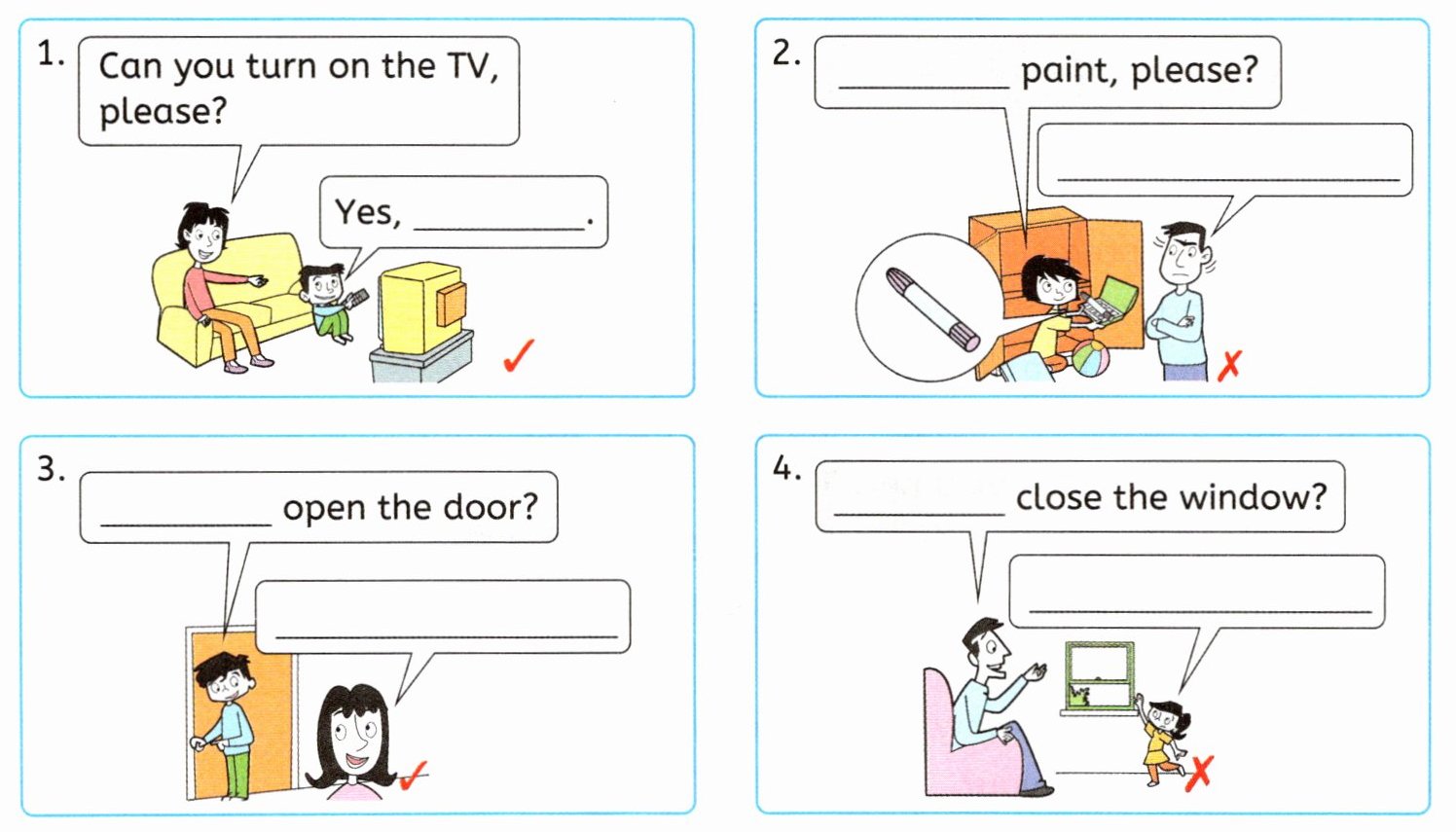
例:—Can you open the window, please? —Yes, I can. / No, I can't.
1. Can you turn on the TV, please? Yes,
I can
.2.
Can I
paint, please? No, you can't.
3.
Can I
open the door? Yes, you can.
4.
Can you
close the window? No, I can't.
答案
1. I can
2. Can I; No, you can't.
3. Can I; Yes, you can.
4. Can you; No, I can't.
2. Can I; No, you can't.
3. Can I; Yes, you can.
4. Can you; No, I can't.
解析
【分析】
首先明确“Can you...”用于询问对方能否做某事,回答用“Yes, I can./No, I can't.”;“Can I...”用于询问自己能否做某事,回答用“Yes, you can./No, you can't.”。再结合图片的对勾(同意)和叉(不同意)的提示,确定每个空的内容:第1题问句是Can you引导的,对勾对应肯定回答;第2题是小孩请求自己画画,用Can I引导问句,叉对应否定回答;第3题是男孩请求自己开门,用Can I引导问句,对勾对应肯定回答;第4题是大人问小孩能否关窗,用Can you引导问句,叉对应否定回答。
【解析】
1. 问句为“Can you turn on the TV, please?”,是Can you引导的一般疑问句,图片为对勾(同意),回答用“Yes, I can.”,故填I can。
2. 图片中小孩请求自己画画,需用Can I引导问句;图片为叉(不同意),回答用“No, you can't.”,故依次填Can I;No, you can't.
3. 男孩请求自己开门,用Can I引导问句;图片为对勾(同意),回答用“Yes, you can.”,故依次填Can I;Yes, you can.
4. 大人询问小孩能否关窗,用Can you引导问句;图片为叉(不同意),回答用“No, I can't.”,故依次填Can you;No, I can't.
【答案】
1. I can
2. Can I; No, you can't.
3. Can I; Yes, you can.
4. Can you; No, I can't.
【知识点】
情态动词can用法;一般疑问句问答
【点评】
本题考查日常交际用语中“Can I/Can you...”引导的一般疑问句的运用,需掌握不同问句对应的回答格式,结合图片提示判断同意或不同意的回答,属于基础英语交际题。
【难度系数】
0.3
首先明确“Can you...”用于询问对方能否做某事,回答用“Yes, I can./No, I can't.”;“Can I...”用于询问自己能否做某事,回答用“Yes, you can./No, you can't.”。再结合图片的对勾(同意)和叉(不同意)的提示,确定每个空的内容:第1题问句是Can you引导的,对勾对应肯定回答;第2题是小孩请求自己画画,用Can I引导问句,叉对应否定回答;第3题是男孩请求自己开门,用Can I引导问句,对勾对应肯定回答;第4题是大人问小孩能否关窗,用Can you引导问句,叉对应否定回答。
【解析】
1. 问句为“Can you turn on the TV, please?”,是Can you引导的一般疑问句,图片为对勾(同意),回答用“Yes, I can.”,故填I can。
2. 图片中小孩请求自己画画,需用Can I引导问句;图片为叉(不同意),回答用“No, you can't.”,故依次填Can I;No, you can't.
3. 男孩请求自己开门,用Can I引导问句;图片为对勾(同意),回答用“Yes, you can.”,故依次填Can I;Yes, you can.
4. 大人询问小孩能否关窗,用Can you引导问句;图片为叉(不同意),回答用“No, I can't.”,故依次填Can you;No, I can't.
【答案】
1. I can
2. Can I; No, you can't.
3. Can I; Yes, you can.
4. Can you; No, I can't.
【知识点】
情态动词can用法;一般疑问句问答
【点评】
本题考查日常交际用语中“Can I/Can you...”引导的一般疑问句的运用,需掌握不同问句对应的回答格式,结合图片提示判断同意或不同意的回答,属于基础英语交际题。
【难度系数】
0.3
