

 登录
D
主题:极限运动 体裁:说明文 难度:★★★★ 建议用时:8分钟 正确率: /5
Around the world more and more people are taking part in dangerous sports and activities. Of course, there have always been people who have looked for adventure(冒险)—those who have climbed the highest mountains, travelled into unknown parts of the world or sailed in small boats across the greatest oceans. Now, however, there are people who try to find an immediate thrill(毛骨悚然) from a risky activity which may only last a few minutes or even seconds.
I would consider bungee jumping to be a good example of such an activity. You jump from a high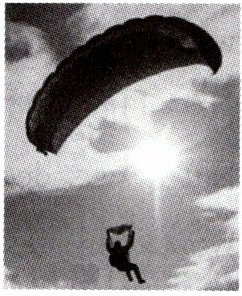
place(perhaps a bridge or a hot-air balloon) 200 metres above the ground with an elastic(有弹性的) rope tied to your ankles(脚踝). You fall at up to 150 kilometres an hour until the rope stops you from hitting the ground. Other activities which most people would say are as risky as bungee jumping include jumping from tall buildings and diving into the sea from the top of high cliffs(峭壁).
Why do people take part in such activities like these? Some psychologists(心理学家) suggest that it is because life in modern societies has become safe and boring. Life, according to many people, offers little excitement. They live and work safely and comfortably. The answer for some of these people is to try to find danger in activities such as bungee jumping.
(
A. Jack, running ten miles every day.
B. Holly, taking a trip to Beijing alone.
C. Lisa, rowing a small boat across the Pacific Ocean.
D. Rose, climbing Mount Tai with her friends.
(

A. ↓
B. ↑
C. ↓
D. ↑
(
A. afraid of dangerous sports
B. against(反对) dangerous sports
C. for(支持) dangerous sports
D. neither for nor against dangerous sports
(
A. Bungee jumping: a dangerous sport
B. Bungee jumping: an exciting sport
C. Dangerous sports: what and how?
D. Dangerous sports: what and why?
主题:极限运动 体裁:说明文 难度:★★★★ 建议用时:8分钟 正确率: /5
Around the world more and more people are taking part in dangerous sports and activities. Of course, there have always been people who have looked for adventure(冒险)—those who have climbed the highest mountains, travelled into unknown parts of the world or sailed in small boats across the greatest oceans. Now, however, there are people who try to find an immediate thrill(毛骨悚然) from a risky activity which may only last a few minutes or even seconds.
I would consider bungee jumping to be a good example of such an activity. You jump from a high
place(perhaps a bridge or a hot-air balloon) 200 metres above the ground with an elastic(有弹性的) rope tied to your ankles(脚踝). You fall at up to 150 kilometres an hour until the rope stops you from hitting the ground. Other activities which most people would say are as risky as bungee jumping include jumping from tall buildings and diving into the sea from the top of high cliffs(峭壁).
Why do people take part in such activities like these? Some psychologists(心理学家) suggest that it is because life in modern societies has become safe and boring. Life, according to many people, offers little excitement. They live and work safely and comfortably. The answer for some of these people is to try to find danger in activities such as bungee jumping.
(
C
)27. 新考法 创新设问 Which of the following people may be a dangerous sports lover?A. Jack, running ten miles every day.
B. Holly, taking a trip to Beijing alone.
C. Lisa, rowing a small boat across the Pacific Ocean.
D. Rose, climbing Mount Tai with her friends.
(
D
)28. 新考法 图示理解 Which of the following shows the movement in bungee jumping?A. ↓
B. ↑
C. ↓
D. ↑
(
D
)29. 语言能力 分析能力 It seemed that the writer of the text was .A. afraid of dangerous sports
B. against(反对) dangerous sports
C. for(支持) dangerous sports
D. neither for nor against dangerous sports
(
D
)30. 语言能力 归纳能力 Which of the following is the best title for this text?A. Bungee jumping: a dangerous sport
B. Bungee jumping: an exciting sport
C. Dangerous sports: what and how?
D. Dangerous sports: what and why?
答案
【语篇解读】本文是一篇说明文,主要讲述了世界上越来越多的人参与极限运动,以蹦极为例介绍了这项运动的形式,同时心理学家认为现代社会生活安全、乏味是人们参与极限运动的原因。
27. C 创新设问题。根据文章第一段“those who have climbed the highest mountains, travelled into unknown parts of the world or sailed in small boats across the greatest oceans”可知,驾着小船横渡太平洋算是极限运动之一,故选C。
28. D 图示理解题。根据“You jump from a high place (perhaps a bridge or a hot-air balloon) 200 metres above the ground with an elastic rope tied to your ankles. You fall at up to 150 kilometres an hour until the rope stops you from hitting the ground.”可知,蹦极运动是从高处跳下,运动方向是先向下,在弹性绳索的拉动下再向上反弹,D选项箭头先向下再向上的图示符合蹦极的运动方向,故选D。
29. D 观点态度题。文章只是客观地介绍了极限运动的形式以及人们参与的原因,没有流露出作者对极限运动是害怕、反对还是支持的态度,所以作者对极限运动持既不支持也不反对的中立态度,故选D。
30. D 标题归纳题。文章开篇表明世界上越来越多的人参与极限运动,接着以蹦极为例阐述了极限运动“是什么”,最后说明人们参加的原因即“为什么”,所以“Dangerous sports: what and why?”最适合作为标题。故选D。
