

 登录
四、词汇运用
请认真阅读下面短文,根据语篇内容,在空白处填入括号内单词的正确形式,使短文通顺、连贯。
Face-changing is a famous stage art from Sichuan Opera, one of China’s major traditional operas. It is best
This special skill
In a performance, the actor wears layered (层叠的) masks or uses special face powder. With a quick wave, a turn or a dramatic move, the old face disappears and a new one appears. Each mask shows a certain emotion, such as happiness, anger, fear or surprise. A character may change faces several times to
To catch the audience’s attention at once, the
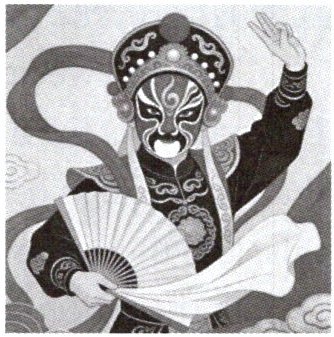
Though it looks like magic, the skills take years of practice. The movements must be fast, smooth and well-hidden. Face-changing helps tell the story in Sichuan Opera, showing characters’ inner feelings
The colourful masks carry traditional Chinese
• Red means loyalty
• Black shows bravery
• White can mean trickery
Today, face-changing and fire-spitting are performed in opera theatres and at festivals, cultural events and international shows. Over the past few decades, this traditional art
Sichuan Opera is listed as part of China’s Intangible Cultural Heritage, and it will continue to show
41. 42. 43. 44. 45.
46. 47. 48. 49. 50.
请认真阅读下面短文,根据语篇内容,在空白处填入括号内单词的正确形式,使短文通顺、连贯。
Face-changing is a famous stage art from Sichuan Opera, one of China’s major traditional operas. It is best
known
41 (know) for the amazing moment when actors change their painted masks in a second—right in front of the audience!This special skill
is called
42 (call) “Bian Lian” in Chinese. It started over 300 years ago during the Qing Dynasty and has been passed down through generations. No wonder the artists take great pride
43 (proud) in this traditional treasure.In a performance, the actor wears layered (层叠的) masks or uses special face powder. With a quick wave, a turn or a dramatic move, the old face disappears and a new one appears. Each mask shows a certain emotion, such as happiness, anger, fear or surprise. A character may change faces several times to
exactly
44 (exact) match the story.To catch the audience’s attention at once, the
first
45 (one) change usually happens very early. Sometimes, the actor also performs fire-spitting—blowing out a sudden flame from the mouth. This exciting trick often comes right after a face change, adding
46 (add) more surprise to the show.Though it looks like magic, the skills take years of practice. The movements must be fast, smooth and well-hidden. Face-changing helps tell the story in Sichuan Opera, showing characters’ inner feelings
more quickly
47 (quick) and directly than words can express.The colourful masks carry traditional Chinese
meanings
48 (mean).• Red means loyalty
• Black shows bravery
• White can mean trickery
Today, face-changing and fire-spitting are performed in opera theatres and at festivals, cultural events and international shows. Over the past few decades, this traditional art
has won
49 (win) the hearts of people all over the world. Whether on a big stage or in a street show, face-changing brings surprise, joy and a unique cultural experience to audiences everywhere.Sichuan Opera is listed as part of China’s Intangible Cultural Heritage, and it will continue to show
its
50 (it) artistic charm to the world in the years ahead.41. 42. 43. 44. 45.
46. 47. 48. 49. 50.
答案
41. known
42. is called
43. pride
44. exactly
45. first
46. adding
47. more quickly
48. meanings
49. has won
50. its
解析
【分析】
做这类词汇填空题,需结合句子结构、固定搭配、语法规则(时态、语态、词性变化等)判断每个空的正确形式:1. 先确定空格在句中所作成分;2. 回忆对应固定搭配或语法知识点;3. 结合语境转换单词的正确形式(如名词、副词、序数词、分词等)。具体到本题,需依次分析每个空的考点:固定搭配、被动语态、名词短语、副词修饰动词、序数词、现在分词作状语、副词比较级、名词复数、现在完成时、形容词性物主代词。
【解析】
41. 考查固定搭配。“be known for”是固定短语,意为“因……而闻名”,故填known。
42. 考查被动语态。主语“This special skill”与动词call是被动关系,描述客观事实用一般现在时,因此用一般现在时的被动语态“is called”。
43. 考查固定短语。“take pride in”是固定搭配,意为“为……感到骄傲”,此处需用名词,故填pride。
44. 考查副词。空格处修饰动词match,需用exact的副词形式exactly,意为“精确地”。
45. 考查序数词。根据语境,此处表示“第一次”变脸,需用one的序数词first。
46. 考查现在分词作状语。add的逻辑主语是前文的喷火表演,二者为主动关系,故用现在分词adding作伴随状语。
47. 考查副词比较级。句中出现比较标志词than,修饰动词show需用副词quickly,其比较级为more quickly。
48. 考查名词复数。此处指“传统中国的多种意义”,meaning是可数名词,需用复数形式meanings。
49. 考查现在完成时。时间状语“Over the past few decades”是现在完成时的标志,主语为单数,故用has won。
50. 考查形容词性物主代词。空格修饰名词短语“artistic charm”,需用it的形容词性物主代词its。
【答案】
41. known 42. is called 43. pride 44. exactly 45. first 46. adding 47. more quickly 48. meanings 49. has won 50. its
【知识点】
固定搭配、动词时态语态、词性转换
【点评】
本题为英语词汇运用基础题,主要考查学生对固定搭配、基础语法(时态、语态、词性变化)的掌握,需结合语境分析句子成分并转换单词形式,难度适中,适合中等水平学生完成。
【难度系数】
0.5
