

 登录
Ⅰ. 根据句意,从方框中选用恰当的单词或短语填空
flute, all the time, country music, fills my heart with, downloaded
1. I often see him play the violin in the park. His music always
2. True friends will stay with you and support you
3. I
4. When I feel tired and stressed, I like listening to quiet
5. Kitty is good at playing musical instruments, including the piano and the
flute, all the time, country music, fills my heart with, downloaded
1. I often see him play the violin in the park. His music always
fills my heart with
peace.2. True friends will stay with you and support you
all the time
.3. I
downloaded
some English listening materials to improve my listening skills.4. When I feel tired and stressed, I like listening to quiet
country music
to relax.5. Kitty is good at playing musical instruments, including the piano and the
flute
.答案
1. fills my heart with 2. all the time 3. downloaded
4. country music 5. flute
解析
【分析】
本题为英语选词填空题,解题思路如下:1. 先明确方框内单词/短语的含义与词性:flute(长笛,乐器名词)、all the time(一直,副词短语)、country music(乡村音乐,音乐类名词短语)、fills my heart with(使我内心充满,动词短语)、downloaded(下载,动词过去式);2. 逐句分析句子结构、语境及时态,确定空格所需的词性、语义;3. 匹配对应词汇,确保语义通顺、语法正确。
【解析】
1. 句子主语His music是第三人称单数,谓语需用第三人称单数形式,结合语境“他的音乐总是让我内心充满平静”,故填fills my heart with;
2. 句子需要修饰动词短语stay with you的状语,all the time(一直)符合“真正的朋友会一直陪伴支持你”的语境,故填all the time;
3. 句子描述过去发生的动作(为提高听力下载材料),需用一般过去时,故填downloaded;
4. 语境为听安静的音乐放松,country music(乡村音乐)属于音乐类型,符合语境,故填country music;
5. 前面提到擅长乐器,piano(钢琴)是乐器,并列的乐器应为flute(长笛),故填flute。
【答案】
1. fills my heart with 2. all the time 3. downloaded 4. country music 5. flute
【知识点】
英语选词填空、动词短语、副词短语
【点评】
本题为基础英语词汇运用题,考查常用单词及短语在具体语境中的正确使用,需学生结合句子结构、时态和语义匹配词汇,难度适中,适合巩固英语基础。
【难度系数】
0.7
Ⅱ. 根据汉语意思完成句子
6. 这位游客很好奇,想更多地了解当地的文化和传统习俗。
The visitor
7. 在互联网的帮助下,当地食物已传遍我们国家的每个角落。
With the help of the internet, local food
8. 我在房间里放了一台音乐播放器,因为听古典音乐能让我感到舒适。
I keep a music player in my room
9. 有时这些不同的声音轻柔舒缓,但它们也可以洪亮有力。
Sometimes these different sounds are
10. 没有什么比每天保持健康、快乐更重要的事了。
There is
6. 这位游客很好奇,想更多地了解当地的文化和传统习俗。
The visitor
is/was curious to know/learn
more about the local culture and traditional customs.7. 在互联网的帮助下,当地食物已传遍我们国家的每个角落。
With the help of the internet, local food
has found its way to
every corner of our country.8. 我在房间里放了一台音乐播放器,因为听古典音乐能让我感到舒适。
I keep a music player in my room
as/because listening to classical music
can make me feel comfortable.9. 有时这些不同的声音轻柔舒缓,但它们也可以洪亮有力。
Sometimes these different sounds are
soft and gentle
, but they can also be loud and powerful
.10. 没有什么比每天保持健康、快乐更重要的事了。
There is
nothing more important than
staying healthy and happy every day.答案
6. is/was curious to know/learn 7. has found its way to
8. as/because listening to classical music
9. soft and gentle; loud and powerful
10. nothing more important than
解析
【分析】
本题为根据汉语意思完成句子,需结合英语固定搭配、时态、从句等基础知识,匹配对应汉语含义的英语表达。具体思路:6题利用“好奇做某事”的固定搭配;7题用“传遍”的固定短语及时态;8题用原因状语从句的引导词和动名词短语;9题匹配对应形容词短语;10题用“没有什么比…更重要”的固定结构。
【解析】
6题:固定搭配be curious to do sth表示“好奇做某事”,主语the visitor为单数,时态可选一般现在时(is)或一般过去时(was),“了解”用know/learn,故填is/was curious to know/learn;
7题:固定短语find one's way to意为“传遍”,主语local food为单数,结合语境用现在完成时,故填has found its way to;
8题:此处需原因状语,用as/because引导,从句中“听古典音乐”作主语需用动名词形式,故填as/because listening to classical music;
9题:“轻柔舒缓”对应soft and gentle,“洪亮有力”对应loud and powerful,为常用形容词短语,直接填入;
10题:固定结构nothing more important than意为“没有什么比…更重要”,符合汉语意思,故填该内容。
【答案】
6. is/was curious to know/learn 7. has found its way to 8. as/because listening to classical music 9. soft and gentle; loud and powerful 10. nothing more important than
【知识点】
固定短语搭配,时态运用,状语从句
【点评】
本题考查英语基础的固定表达,题型为常见的汉译英填空,侧重基础知识点的运用,难度适中,适合巩固英语基础。
【难度系数】
0.5
Ⅲ. (2026 南京建邺区期末) 阅读理解
Qinqiang opera is one of the earliest forms of opera in China. It started from the ancient folk songs and dances of the Han people in Shaanxi and Gansu. According to historical records, the local opera dates all the way back to the Qin Dynasty. Qinqiang opera shows the daily life and feelings of ancient Chinese people. In 2006, Qinqiang opera was added to National Intangible Heritage List(非物质文化遗产名录).
Hou Yan, 48, the master of Qinqiang opera, started learning it from her mother when she was 4 years old. Training in the basic skills of Qinqiang opera is very challenging. In 1985, Hou studied at an art school in Ningxia, where teachers were very strict with students. Leg stretching(伸展), waist bending(弯曲) and somersaults(筋斗) were just some of her daily training routines. Her hard work paid off. Hou became a performer with a troupe at the age of 16.
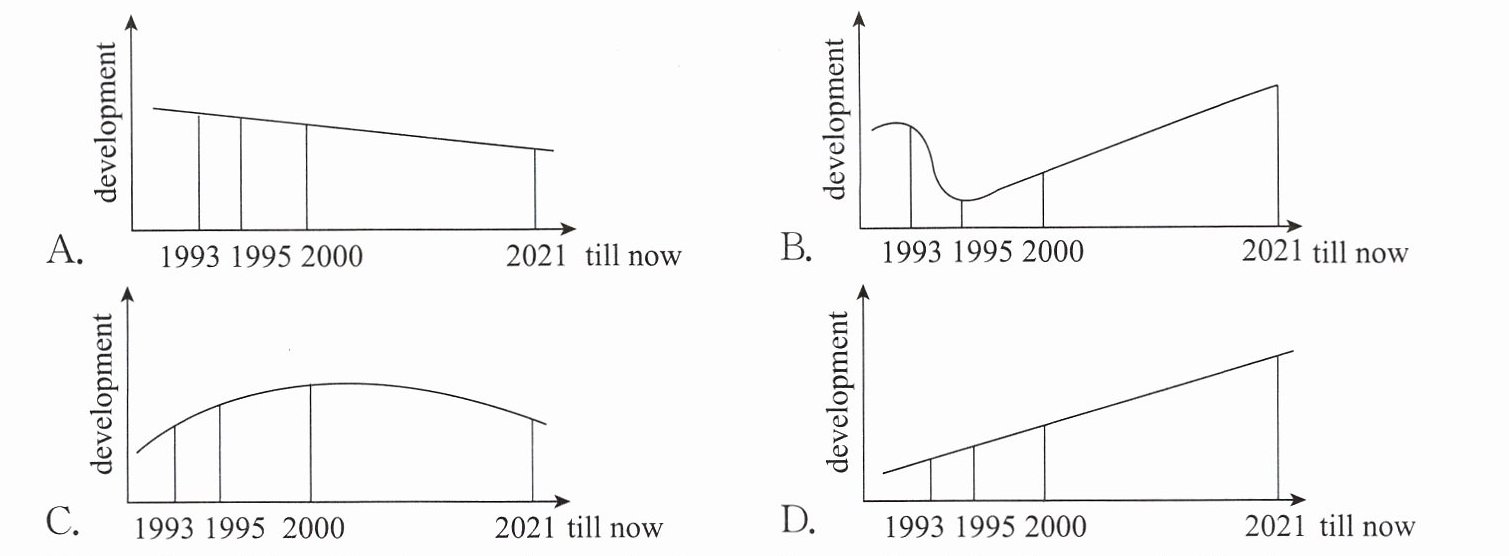
But since 1993, the sweeping trend(趋势) of pop and Western music has hit Qinqiang opera hard. The troupe was closed and Hou had no choice but to leave the opera stage she loved.
After 1995, however, China made great efforts to develop its traditional culture. Hou returned to the stage in 2000 and devoted herself to the opera form. “I knew I’d planted my roots on the opera stage,” said Hou. Now, Hou’s team presents hundreds of Qinqiang opera performances every year in the towns and villages of Ningxia. The average age of Hou’s opera team is 30. In 2021, they staged about 150 school performances.
“As we become more confident about our culture, more young people take traditional culture as a fashionable trend and become promoters of our own culture,” said Hou.
(
A. To explain why Hou Yan left the opera stage in the 1990s.
B. To prove the art school in Ningxia was popular at that time.
C. To show how difficult it is to master Qinqiang opera’s basic skills.
D. To express that Qinqiang opera’s basic skills are mainly for the young.
(
(
A. Qinqiang opera’s inheritance needs young people’s efforts.
B. The support from the government is the key to Qinqiang opera’s survival.
C. Western music doesn’t have much influence on Qinqiang opera.
D. School shows get more attention than village shows for Qinqiang opera.
(
A. Traditional art can be promoted if it follows Western music.
B. Traditional culture should be considered as a fashion for fun.
C. Cultural confidence can lead to promoting traditional culture.
D. Culture promoting needs support from people around the world.
Qinqiang opera is one of the earliest forms of opera in China. It started from the ancient folk songs and dances of the Han people in Shaanxi and Gansu. According to historical records, the local opera dates all the way back to the Qin Dynasty. Qinqiang opera shows the daily life and feelings of ancient Chinese people. In 2006, Qinqiang opera was added to National Intangible Heritage List(非物质文化遗产名录).
Hou Yan, 48, the master of Qinqiang opera, started learning it from her mother when she was 4 years old. Training in the basic skills of Qinqiang opera is very challenging. In 1985, Hou studied at an art school in Ningxia, where teachers were very strict with students. Leg stretching(伸展), waist bending(弯曲) and somersaults(筋斗) were just some of her daily training routines. Her hard work paid off. Hou became a performer with a troupe at the age of 16.
But since 1993, the sweeping trend(趋势) of pop and Western music has hit Qinqiang opera hard. The troupe was closed and Hou had no choice but to leave the opera stage she loved.
After 1995, however, China made great efforts to develop its traditional culture. Hou returned to the stage in 2000 and devoted herself to the opera form. “I knew I’d planted my roots on the opera stage,” said Hou. Now, Hou’s team presents hundreds of Qinqiang opera performances every year in the towns and villages of Ningxia. The average age of Hou’s opera team is 30. In 2021, they staged about 150 school performances.
“As we become more confident about our culture, more young people take traditional culture as a fashionable trend and become promoters of our own culture,” said Hou.
(
C
)11. Why does the writer mention Hou Yan’s daily training in Paragraph 2?A. To explain why Hou Yan left the opera stage in the 1990s.
B. To prove the art school in Ningxia was popular at that time.
C. To show how difficult it is to master Qinqiang opera’s basic skills.
D. To express that Qinqiang opera’s basic skills are mainly for the young.
(
B
)12. 创新试题 图文理解 Which of the following shows the development of Qinqiang opera?(
A
)13. What does Hou Yan’s team’s work show about the inheritance of Qinqiang opera?A. Qinqiang opera’s inheritance needs young people’s efforts.
B. The support from the government is the key to Qinqiang opera’s survival.
C. Western music doesn’t have much influence on Qinqiang opera.
D. School shows get more attention than village shows for Qinqiang opera.
(
C
)14. What can we learn from Hou Yan’s words in the last paragraph?A. Traditional art can be promoted if it follows Western music.
B. Traditional culture should be considered as a fashion for fun.
C. Cultural confidence can lead to promoting traditional culture.
D. Culture promoting needs support from people around the world.
答案
11.C 12.B 13.A 14.C
解析
【分析】
先梳理文章时间线:秦腔历史悠久,1993年受流行及西方音乐冲击发展受挫;1995年后中国重视传统文化,秦腔逐步恢复发展。第11题是细节理解题,需定位第二段内容判断训练的目的;第12题是图文匹配题,要对应秦腔发展的时间节点变化选图;第13题需结合侯艳团队的特点分析传承需求;第14题要从最后一段侯艳的表述提炼核心观点。
【解析】
11题:第二段明确指出“秦腔基本功训练极具挑战性”,日常训练是举例说明掌握秦腔基本功的难度,故选C。
12题:根据文章,1993年秦腔受冲击发展下降,1995年后逐步恢复增长,对应选项B的曲线变化,故选B。
13题:侯艳团队平均年龄仅30岁,开展大量城乡及校园演出,体现秦腔传承需要年轻人的努力,故选A。
14题:最后一段侯艳提到“文化自信让更多年轻人成为传统文化的推广者”,说明文化自信能推动传统文化传播,故选C。
【答案】
11.C 12.B 13.A 14.C
【知识点】
英语阅读理解、细节理解题、图文匹配题
【点评】
本题结合非遗秦腔的主题,考察阅读理解的细节查找、图文匹配和推理能力,题型贴合期末考要求,兼具文化教育意义。
【难度系数】
0.6
