

 登录
登录
B
Have you ever imagined yourself as the main character in a hero's story? It might do more than just excite your imagination.
The hero's journey, which was first made popular by Joseph Campbell in his book The Hero with a Thousand Faces, is a common theme in stories. Heroes start life-changing journeys, face great dangers, and come back changed for the better.
Research suggests that seeing life through the lens(镜头) of a hero's journey can help you cut down on stress and feel more sure of
yourself, which in turn leads to greater life satisfaction. Benjamin A. Rogers, one of the researchers, explains, “The way people tell their life stories shapes how meaningful their lives feel.” Rogers believes that thinking of your favourite hero's story gives you a full view of what might be next for you, or what you should be paying attention to.
How can you start imagining your life as a hero's journey? First, reconsider who you are. Ask yourself, what makes you you? Who's your favourite role in a movie or book? In what way can you relate to him/her? Writing down the answers can help you see yourself through a more heroic lens. Next, change the way you see difficulties. Think of them as chances for growth and learning. A difficulty is a chance to be the hero of your own story. Then, go on your own heroic trips. It's about finding out something new to do.
Every hero starts with one step. What's your next move? Start today and let your own story begin.
6. According to Joseph Campbell, what is a hero's journey?
A. A trip that includes finding hidden treasures and magical objects.
B. A journey where a hero wins fame and money by beating enemies.
C. A story where a hero solves problems and grows to be a better self.
D. A journey where a hero experiences difficulties but remains unchanged.
7. Which paragraph discusses the importance of a hero's journey?
A. Paragraph 1.
B. Paragraph 2.
C. Paragraph 3.
D. Paragraph 4.
8. Why does the writer use words from Benjamin A. Rogers in the text?
A. To show that heroes always need a guide to succeed.
B. To explain how heroes can solve every problem easily.
C. To show that following a hero's journey can help you avoid stress.
D. To explain why seeing life as a hero's journey can improve life satisfaction.
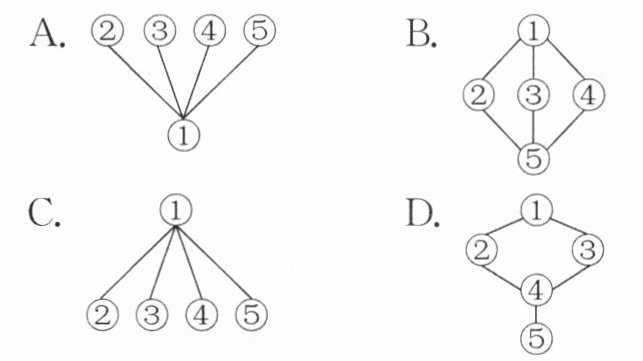
9.(创新考法·篇章结构)What would be the best structure of the passage?
10. What is the best title for the text?
A. Steps to solve difficulties in life
B. Famous heroes and their stories
C. How to become a hero in real life
D. The hero's journey: Becoming the hero of your own story
Have you ever imagined yourself as the main character in a hero's story? It might do more than just excite your imagination.
The hero's journey, which was first made popular by Joseph Campbell in his book The Hero with a Thousand Faces, is a common theme in stories. Heroes start life-changing journeys, face great dangers, and come back changed for the better.
Research suggests that seeing life through the lens(镜头) of a hero's journey can help you cut down on stress and feel more sure of
yourself, which in turn leads to greater life satisfaction. Benjamin A. Rogers, one of the researchers, explains, “The way people tell their life stories shapes how meaningful their lives feel.” Rogers believes that thinking of your favourite hero's story gives you a full view of what might be next for you, or what you should be paying attention to.
How can you start imagining your life as a hero's journey? First, reconsider who you are. Ask yourself, what makes you you? Who's your favourite role in a movie or book? In what way can you relate to him/her? Writing down the answers can help you see yourself through a more heroic lens. Next, change the way you see difficulties. Think of them as chances for growth and learning. A difficulty is a chance to be the hero of your own story. Then, go on your own heroic trips. It's about finding out something new to do.
Every hero starts with one step. What's your next move? Start today and let your own story begin.
6. According to Joseph Campbell, what is a hero's journey?
A. A trip that includes finding hidden treasures and magical objects.
B. A journey where a hero wins fame and money by beating enemies.
C. A story where a hero solves problems and grows to be a better self.
D. A journey where a hero experiences difficulties but remains unchanged.
7. Which paragraph discusses the importance of a hero's journey?
A. Paragraph 1.
B. Paragraph 2.
C. Paragraph 3.
D. Paragraph 4.
8. Why does the writer use words from Benjamin A. Rogers in the text?
A. To show that heroes always need a guide to succeed.
B. To explain how heroes can solve every problem easily.
C. To show that following a hero's journey can help you avoid stress.
D. To explain why seeing life as a hero's journey can improve life satisfaction.
9.(创新考法·篇章结构)What would be the best structure of the passage?
10. What is the best title for the text?
A. Steps to solve difficulties in life
B. Famous heroes and their stories
C. How to become a hero in real life
D. The hero's journey: Becoming the hero of your own story
答案
6. C 推理判断题。根据“Heroes start life-changing journeys, face great dangers, and come back changed for the better.”可知,Joseph Campbell提出的英雄旅程是指英雄开启改变人生的旅程,直面危险并在归来后变得更好,即英雄解决问题并成长为更好的自己。
7. C 推理判断题。第三段通过研究结论指出,以英雄旅程的视角看待生活能减少压力、提升自信并提高生活满意度,还引用研究者的话进一步阐释,该段核心是讨论英雄旅程的重要性。
8. D 推理判断题。第三段先提出“以英雄旅程的视角看待生活能提高生活满意度”的观点,随后引用Benjamin A. Rogers的“The way people tell their life stories shapes how meaningful their lives feel.”,目的是解释这一观点的原因,即为何将生活视作英雄旅程能提升生活满意度。
9. B 篇章结构题。文章第一段以设问引入“英雄旅程”的话题;第二段解释英雄旅程的定义;第三段阐述英雄旅程对人们的重要性;第四段介绍将自己的生活视作英雄旅程的具体方法;第五段总结全文,呼吁人们开启自己的英雄旅程。整体结构为“总起(1)—分述(2、3、4)—总结(5)”。
10. D 标题概括题。通读全文可知,文章围绕“英雄旅程”展开,不仅介绍了其定义和重要性,更重点讲述了如何将自己的生活变成英雄的旅程,最后呼吁人们开启属于自己的英雄故事。
7. C 推理判断题。第三段通过研究结论指出,以英雄旅程的视角看待生活能减少压力、提升自信并提高生活满意度,还引用研究者的话进一步阐释,该段核心是讨论英雄旅程的重要性。
8. D 推理判断题。第三段先提出“以英雄旅程的视角看待生活能提高生活满意度”的观点,随后引用Benjamin A. Rogers的“The way people tell their life stories shapes how meaningful their lives feel.”,目的是解释这一观点的原因,即为何将生活视作英雄旅程能提升生活满意度。
9. B 篇章结构题。文章第一段以设问引入“英雄旅程”的话题;第二段解释英雄旅程的定义;第三段阐述英雄旅程对人们的重要性;第四段介绍将自己的生活视作英雄旅程的具体方法;第五段总结全文,呼吁人们开启自己的英雄旅程。整体结构为“总起(1)—分述(2、3、4)—总结(5)”。
10. D 标题概括题。通读全文可知,文章围绕“英雄旅程”展开,不仅介绍了其定义和重要性,更重点讲述了如何将自己的生活变成英雄的旅程,最后呼吁人们开启属于自己的英雄故事。
解析
【分析】
本题为英语阅读理解题,需结合文章各段落内容,针对每个问题的设问,定位原文关键信息,逐一分析选项,选出符合题意的答案。
【解析】
6. 根据第二段中Joseph Campbell提出的“Heroes start life-changing journeys, face great dangers, and come back changed for the better.”可知,英雄旅程是英雄经历困难后变得更好,对应选项C。A选项“找隐藏宝藏和魔法物品”、B选项“通过打败敌人赢得名利”文中未提及;D选项“英雄经历困难但保持不变”与原文“changed for the better”矛盾,故选C。
7. 第三段开头“Research suggests that seeing life through the lens of a hero's journey can help you cut down on stress and feel more sure of yourself, which in turn leads to greater life satisfaction.”明确阐述了英雄旅程对生活的积极作用,即讨论其重要性,故选C。
8. 第三段先提出“以英雄旅程视角看待生活能提升生活满意度”的观点,引用Benjamin A. Rogers的话是为了解释该观点的原因,对应选项D。A、B选项文中未提及;C选项“避免压力”不是引用的目的,故选D。
9. 文章结构:第一段引入“英雄旅程”话题;第二段解释其定义;第三段阐述重要性;第四段介绍具体方法;第五段总结呼吁,整体为“总起-分述-总结”结构,对应选项B,故选B。
10. 全文围绕“英雄旅程”展开,不仅介绍其定义和重要性,更重点讲述如何将自己的生活变成英雄旅程,最后呼吁开启个人英雄故事,对应选项D,故选D。
【答案】
6.C 7.C 8.D 9.B 10.D
【知识点】
英语阅读理解、细节理解、推理判断、主旨大意、篇章结构
【点评】
本题围绕“英雄旅程”主题,考查学生对文章细节定位、推理判断、篇章结构分析及主旨概括的能力,需学生准确把握原文信息,结合选项逐一验证。
【难度系数】
0.5
本题为英语阅读理解题,需结合文章各段落内容,针对每个问题的设问,定位原文关键信息,逐一分析选项,选出符合题意的答案。
【解析】
6. 根据第二段中Joseph Campbell提出的“Heroes start life-changing journeys, face great dangers, and come back changed for the better.”可知,英雄旅程是英雄经历困难后变得更好,对应选项C。A选项“找隐藏宝藏和魔法物品”、B选项“通过打败敌人赢得名利”文中未提及;D选项“英雄经历困难但保持不变”与原文“changed for the better”矛盾,故选C。
7. 第三段开头“Research suggests that seeing life through the lens of a hero's journey can help you cut down on stress and feel more sure of yourself, which in turn leads to greater life satisfaction.”明确阐述了英雄旅程对生活的积极作用,即讨论其重要性,故选C。
8. 第三段先提出“以英雄旅程视角看待生活能提升生活满意度”的观点,引用Benjamin A. Rogers的话是为了解释该观点的原因,对应选项D。A、B选项文中未提及;C选项“避免压力”不是引用的目的,故选D。
9. 文章结构:第一段引入“英雄旅程”话题;第二段解释其定义;第三段阐述重要性;第四段介绍具体方法;第五段总结呼吁,整体为“总起-分述-总结”结构,对应选项B,故选B。
10. 全文围绕“英雄旅程”展开,不仅介绍其定义和重要性,更重点讲述如何将自己的生活变成英雄旅程,最后呼吁开启个人英雄故事,对应选项D,故选D。
【答案】
6.C 7.C 8.D 9.B 10.D
【知识点】
英语阅读理解、细节理解、推理判断、主旨大意、篇章结构
【点评】
本题围绕“英雄旅程”主题,考查学生对文章细节定位、推理判断、篇章结构分析及主旨概括的能力,需学生准确把握原文信息,结合选项逐一验证。
【难度系数】
0.5
