

 登录
登录
(
A.She works near the sea.
B.She goes to school at 7:30.
C.Yes, she does.
A
)3.Where does she work?A.She works near the sea.
B.She goes to school at 7:30.
C.Yes, she does.
答案
A
解析
问句询问“她在哪里工作?”,A选项“她在海边工作”回答了工作地点;B选项回答的是上学时间,与问题无关;C选项是一般疑问句的肯定回答,不符合特殊疑问句的答语要求。所以选A。
翻译:
( )3.她在哪里工作?
A.她在海边工作。
B.她七点半去上学。
C.是的,她是。
翻译:
( )3.她在哪里工作?
A.她在海边工作。
B.她七点半去上学。
C.是的,她是。
(
A.At 10:00 a.m.
B.I am going to play football.
C.We are going to see a film.
A
)4.When are you going to the cinema?A.At 10:00 a.m.
B.I am going to play football.
C.We are going to see a film.
答案
A
解析
题目询问的是“你打算什么时候去电影院”,需要回答具体的时间。选项A给出了具体时间“上午10点”,符合题意。选项B和C分别回答的是要做的事情,与问题无关。
翻译:
( )4.你打算什么时候去电影院?
A.上午10点。
B.我打算去踢足球。
C.我们打算去看电影。
翻译:
( )4.你打算什么时候去电影院?
A.上午10点。
B.我打算去踢足球。
C.我们打算去看电影。
(
A.No, he is a businessman.
B.Yes, she is.
C.He works in a factory.
B
)5.Is your mother a teacher?A.No, he is a businessman.
B.Yes, she is.
C.He works in a factory.
答案
B
解析
题目询问“你的妈妈是一位老师吗?”,这是一个一般疑问句,回答时应用 yes 或 no 回应,且主语是“your mother”,回答时应用 she 指代。A选项主语为 he,回答与问题主语不一致,且内容为“不,他是一名商人”,不符合回答规范;B选项“Yes, she is.”符合回答规范,意思是“是的,她是”;C选项“He works in a factory.”意思是“他在一家工厂工作”,没有对一般疑问句进行回答。所以正确答案是B。
翻译:
( )5.你的妈妈是一名教师吗?
A.不,他是一名商人。
B.是的,她是。
C.他在一家工厂工作。
翻译:
( )5.你的妈妈是一名教师吗?
A.不,他是一名商人。
B.是的,她是。
C.他在一家工厂工作。
Ⅶ. 看图,完成对话。(15分)
1. —How do you usually go to school?
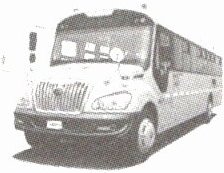
—I usually go to school
2. —Where does your father work?
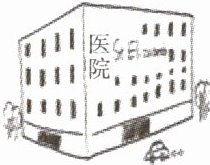
—He
3. —Does your pen pal live in the South Island?
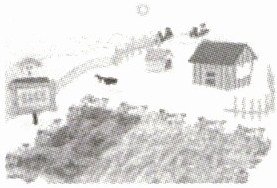
—Yes, he does. He lives on a
4. —What is your hobby?

—I like
5. —What are you going to do this weekend?
—We are going to
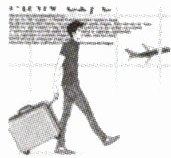
1. —How do you usually go to school?
—I usually go to school
by
bus
.2. —Where does your father work?
—He
works
in a hospital
.3. —Does your pen pal live in the South Island?
—Yes, he does. He lives on a
farm
.4. —What is your hobby?
—I like
cycling
.5. —What are you going to do this weekend?
—We are going to
take
a
trip
.答案
1. by bus
2. works; hospital
3. farm
4. cycling
5. take a trip
2. works; hospital
3. farm
4. cycling
5. take a trip
解析
1. 图中是一辆公交车,“乘公交车”用“by bus”表示。
2. 图中建筑标有“医院”,“工作”用“work”,主语是第三人称单数,所以用“works”,“医院”是“hospital”。
3. 图中是一个农场场景,“农场”是“farm”。
4. 图中人物在骑自行车,“喜欢做某事”用“like doing sth.”,“骑自行车”是“riding a bike”或“cycling”,此处填“cycling”更简洁。
5. 图中人物拉着行李箱,背景有飞机,推测是去旅行,“去旅行”用“take a trip”。
翻译:
Ⅶ. 看图,完成对话。(15分)
1. ——你通常怎么去上学?
——我通常______去上学。
2. ——你爸爸在哪里工作?
——他在一家______里______。
3. ——你的笔友住在南岛吗?
——是的,他住在一座______上。
4. ——你的爱好是什么?
——我喜欢______。
5. ——这个周末你们打算做什么?
——我们打算______。
2. 图中建筑标有“医院”,“工作”用“work”,主语是第三人称单数,所以用“works”,“医院”是“hospital”。
3. 图中是一个农场场景,“农场”是“farm”。
4. 图中人物在骑自行车,“喜欢做某事”用“like doing sth.”,“骑自行车”是“riding a bike”或“cycling”,此处填“cycling”更简洁。
5. 图中人物拉着行李箱,背景有飞机,推测是去旅行,“去旅行”用“take a trip”。
翻译:
Ⅶ. 看图,完成对话。(15分)
1. ——你通常怎么去上学?
——我通常______去上学。
2. ——你爸爸在哪里工作?
——他在一家______里______。
3. ——你的笔友住在南岛吗?
——是的,他住在一座______上。
4. ——你的爱好是什么?
——我喜欢______。
5. ——这个周末你们打算做什么?
——我们打算______。
