

 登录
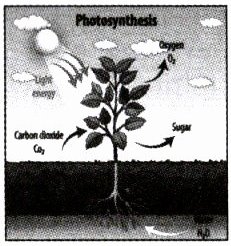
A tree can feel hungry when it needs food to grow, and it likes sugar very much. It's not the same sugar we eat, but a special kind of sugar called glucose(葡萄糖)to make trees grow. Trees make their sugar in their leaves. The sugar in the leaves then goes into all other parts of the tree. It is called photosynthesis(光合作用).
Photosynthesis happens when a tree uses the sunlight and chlorophyll(叶绿素)to turn CO₂ and water into glucose. Glucose plays an important part in trees. When the leaves are turning green, we know the tree is eating. Glucose doesn't make the leaves green, but chlorophyll does.
In spring and summer, trees can take in enough sunshine, so they can be alive and grow well. Days become shorter and there is less sunshine when autumn comes. This makes trees know it's time to get ready for winter. There is less sunlight and water for photosynthesis, and the chlorophyll becomes less and less. Their leaves begin to turn red, orange or yellow.
As winter is coming, the trees live on the food they keep when the weather is fine. The trees spend the season taking a rest, just like bears do! Bears go to a place for a good rest. And trees lose their leaves and stand up to fall asleep.
(
A. By telling facts.
B. By giving examples.
C. By asking questions.
D. By showing numbers.
(
Sunlight + ▲ + CO₂ = Glucose
A. Air.
B. Sugar.
C. Water.
D. Wind.
(
A. The tree has less food to eat.
B. The tree has less water.
C. The tree grows faster in autumn.
D. The tree doesn't have enough chlorophyll.
(
A. Full of life.
B. In poor health.
C. Without energy.
D. Dead to the world.
(
A. To tell why trees turn green in spring.
B. To talk about how trees grow.
C. To show the ways of planting trees.
D. To share ideas on CO₂ and chlorophyll.
Photosynthesis happens when a tree uses the sunlight and chlorophyll(叶绿素)to turn CO₂ and water into glucose. Glucose plays an important part in trees. When the leaves are turning green, we know the tree is eating. Glucose doesn't make the leaves green, but chlorophyll does.
In spring and summer, trees can take in enough sunshine, so they can be alive and grow well. Days become shorter and there is less sunshine when autumn comes. This makes trees know it's time to get ready for winter. There is less sunlight and water for photosynthesis, and the chlorophyll becomes less and less. Their leaves begin to turn red, orange or yellow.
As winter is coming, the trees live on the food they keep when the weather is fine. The trees spend the season taking a rest, just like bears do! Bears go to a place for a good rest. And trees lose their leaves and stand up to fall asleep.
(
A
)26.(新考法·写作手法)How does the writer develop his ideas about photosynthesis in Paragraph 1?A. By telling facts.
B. By giving examples.
C. By asking questions.
D. By showing numbers.
(
C
)27.(新考法·信息还原)Which should be in the “▲”?Sunlight + ▲ + CO₂ = Glucose
A. Air.
B. Sugar.
C. Water.
D. Wind.
(
D
)28. Why do a tree's leaves change colour in autumn?A. The tree has less food to eat.
B. The tree has less water.
C. The tree grows faster in autumn.
D. The tree doesn't have enough chlorophyll.
(
A
)29.(新考法·词义猜测)What does the underlined word “alive” mean in English?A. Full of life.
B. In poor health.
C. Without energy.
D. Dead to the world.
(
B
)30.(新考法·写作意图)What is the purpose of the passage?A. To tell why trees turn green in spring.
B. To talk about how trees grow.
C. To show the ways of planting trees.
D. To share ideas on CO₂ and chlorophyll.
答案
26. A
27. C
28. D
29. A
30. B
