

 登录
语言知识 ①widen v. 拓宽,(使)扩展
widen—widened—widened ②widen one’s horizons 开阔眼界 ③wide adj. 宽的,广阔的 ④wide adv. 完全地、张大(具体); widely adv. 广泛地、普遍地(抽象)
课文再现 在1829年,他的父母把他送到维也纳以拓宽音乐阅历。
His parents sent him to Vienna in 1829 to
迁移运用 1.这座城市已经拓宽了桥梁以便缓解交通堵塞。This city
2. The road is so
3.他张开双臂,做出欢迎的姿势。He spread his arms
widen—widened—widened ②widen one’s horizons 开阔眼界 ③wide adj. 宽的,广阔的 ④wide adv. 完全地、张大(具体); widely adv. 广泛地、普遍地(抽象)
课文再现 在1829年,他的父母把他送到维也纳以拓宽音乐阅历。
His parents sent him to Vienna in 1829 to
widen
his musical
experience
.迁移运用 1.这座城市已经拓宽了桥梁以便缓解交通堵塞。This city
has
widened
the bridge to reduce traffic jams.2. The road is so
wide
and this kind of electric car is widely
used in cities now. (wide)3.他张开双臂,做出欢迎的姿势。He spread his arms
wide
in a welcoming gesture.答案
[课文再现] widen, musical experience
1. has widened
2. wide, widely
3. wide
1. has widened
2. wide, widely
3. wide
Ⅰ 根据句意及首字母填空。
1. The little boy is so g
2. Time is more v
3. After winning the first prize in the speech competition, she p
4. After years of hard training, he finally became the national c
5. Chinese New Year is widely c
1. The little boy is so g
ifted
that he can solve the difficult math problem.2. Time is more v
aluable
than money because once it is lost, you can never get it back.3. After winning the first prize in the speech competition, she p
roudly
held up her prize.4. After years of hard training, he finally became the national c
hampion
of the car race.5. Chinese New Year is widely c
elebrated
as a time for family reunions and fresh starts.答案
1. gifted
2. valuable
3. proudly
4. champion
5. celebrated
2. valuable
3. proudly
4. champion
5. celebrated
Ⅱ. 阅读理解。
He couldn’t hear the high tones anymore.
But when the conductor(指挥)raised his baton(指挥棒), the audience held their breath. A beautiful symphony(交响乐)began. This was the magic of Beethoven, one of the greatest musicians in history.
Beethoven was born in Germany in 1770. He showed great musical talent at a very young age. However, in his late 20s, he began to lose his hearing. But Beethoven didn’t give up. He “heard” the music through his heart and imagination. He even bit a wooden stick and pressed it against the piano to feel the vibration(振动)of the notes. In this hard way, he created some of his most famous works.
Among all his works, Symphony No. 5(Fate Symphony)is perhaps the most famous. Its opening rhythm—“da da da dum”—is known to people worldwide. Beethoven once said that this rhythm was like “fate knocking at the door”. Through this symphony, he showed his strong will to fight against difficulties. For Beethoven, music was a way to express his courage, his pain, and his never-give-up spirit. Even when life knocked him down, he stood up and turned his suffering into art that still moves us today.
Today, many young musicians learn from Beethoven’s spirit. Music is not only a skill but also a way to express feelings and tell stories without words. Beethoven’s music connects people from different countries.
1. When did Beethoven begin to lose his hearing?
A. In his early 20s.
B. In his late 20s.
C. In his late 30s.
D. In his early 40s.
2. What is the main idea of Paragraph 3?
A. The opening rhythm of Symphony No. 5 is famous around the world.
B. Beethoven turned his pain into art through his strong spirit.
C. Beethoven once said that fate was knocking at the door.
D. Symphony No. 5 is more famous than Beethoven’s other works.
3. Which sentence uses “express” with the same meaning as the underlined word?
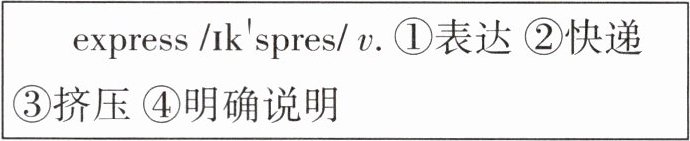 express /ɪkˈspres/ v. ①表达 ②快递 ③挤压 ④明确说明
A. You can express your ideas freely in the group discussion.
B. The teacher asked me to express the meaning of this poem clearly.
C. The machine is used to express the juice from the fruit.
D. Please express this package to Shanghai as soon as possible.
4. What is the main purpose of the passage?
A. To introduce Beethoven’s most famous musical works.
B. To show how music can connect different cultures.
C. To tell the story of Beethoven and the value of music.
D. To explain why Beethoven lost his hearing.
He couldn’t hear the high tones anymore.
But when the conductor(指挥)raised his baton(指挥棒), the audience held their breath. A beautiful symphony(交响乐)began. This was the magic of Beethoven, one of the greatest musicians in history.
Beethoven was born in Germany in 1770. He showed great musical talent at a very young age. However, in his late 20s, he began to lose his hearing. But Beethoven didn’t give up. He “heard” the music through his heart and imagination. He even bit a wooden stick and pressed it against the piano to feel the vibration(振动)of the notes. In this hard way, he created some of his most famous works.
Among all his works, Symphony No. 5(Fate Symphony)is perhaps the most famous. Its opening rhythm—“da da da dum”—is known to people worldwide. Beethoven once said that this rhythm was like “fate knocking at the door”. Through this symphony, he showed his strong will to fight against difficulties. For Beethoven, music was a way to express his courage, his pain, and his never-give-up spirit. Even when life knocked him down, he stood up and turned his suffering into art that still moves us today.
Today, many young musicians learn from Beethoven’s spirit. Music is not only a skill but also a way to express feelings and tell stories without words. Beethoven’s music connects people from different countries.
1. When did Beethoven begin to lose his hearing?
A. In his early 20s.
B. In his late 20s.
C. In his late 30s.
D. In his early 40s.
2. What is the main idea of Paragraph 3?
A. The opening rhythm of Symphony No. 5 is famous around the world.
B. Beethoven turned his pain into art through his strong spirit.
C. Beethoven once said that fate was knocking at the door.
D. Symphony No. 5 is more famous than Beethoven’s other works.
3. Which sentence uses “express” with the same meaning as the underlined word?
express /ɪkˈspres/ v. ①表达 ②快递 ③挤压 ④明确说明A. You can express your ideas freely in the group discussion.
B. The teacher asked me to express the meaning of this poem clearly.
C. The machine is used to express the juice from the fruit.
D. Please express this package to Shanghai as soon as possible.
4. What is the main purpose of the passage?
A. To introduce Beethoven’s most famous musical works.
B. To show how music can connect different cultures.
C. To tell the story of Beethoven and the value of music.
D. To explain why Beethoven lost his hearing.
答案
1. B
2. B
3. A
4. C
2. B
3. A
4. C
