

 登录
登录
Week 8
Saturday 短文填空
主题: 自然科学 语篇类型: 说明文
词数: 212 难度: ■■■■
建议用时: 10分钟 答案页码: P23
阅读短文,从下面的框中选择合适的单词,并用其正确形式填空。
future, day, scientist, in, why, but, on, an, travel, astronaut
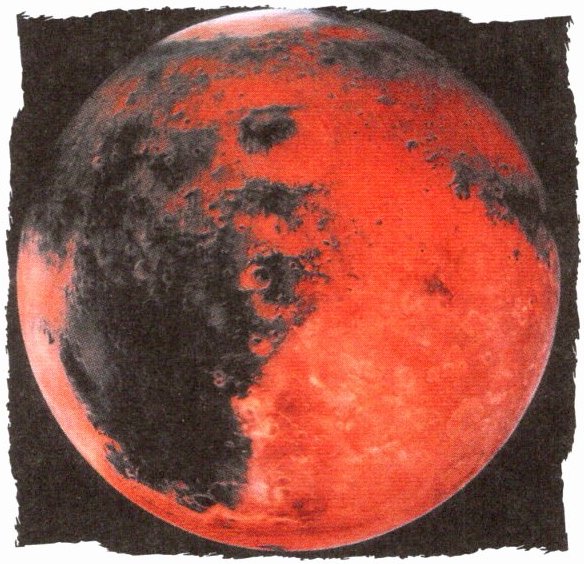
Scientists found that time runs a little faster
We already know a Mars day is 40 minutes longer than
Clocks tick at different speeds in different places
This tiny daily time change may not seem like much,
This new finding helps us understand better how we can live and work on Mars in the
1
2
3
4
5
6
7
8
9
10
Saturday 短文填空
主题: 自然科学 语篇类型: 说明文
词数: 212 难度: ■■■■
建议用时: 10分钟 答案页码: P23
阅读短文,从下面的框中选择合适的单词,并用其正确形式填空。
future, day, scientist, in, why, but, on, an, travel, astronaut
Scientists found that time runs a little faster
on
Mars than on Earth—clocks there are 477 microseconds (微秒) faster every day
.We already know a Mars day is 40 minutes longer than
an
Earth day, and a Mars year is 687 Earth days long. But now, scientists are sure that every second on Mars passes a little bit faster.Clocks tick at different speeds in different places
in
the universe (宇宙). Gravity (重力) and other factors can affect how time goes by. Mars has weaker gravity than Earth, and that is why
this time difference exists.This tiny daily time change may not seem like much,
but
it is very important. Knowing how time works on Mars helps space agencies plan tasks better. It will also help with navigation (导航), sending messages and timing when astronauts
go to Mars one day.Scientists
also found that this time difference is not fixed (固定的). It mainly depends on Mars’ position in its orbit.This new finding helps us understand better how we can live and work on Mars in the
future
. Maybe one day, we can travel
to Mars. Let’s wait and see.1
on
2
day
3
an
4
in
5
why
6
but
7
astronauts
8
Scientists
9
future
10
travel
答案
1. on 表示“在某颗星球上”用介词on,on Mars与后文on Earth结构一致。
2. day every day意为“每天”。句意为“……火星上的时钟每天快477微秒。”
3. an Earth day(地球日)是单数可数名词,此处泛指“一个地球日”,且Earth以元音音素开头,故用不定冠词an。
4. in in the universe是固定搭配,意为“在宇宙中”。
5. why 前文的Mars has weaker gravity than Earth(火星重力比地球小)是原因,后文的this time difference exists(存在这种时间差异)是结果;that is why...是固定句型,意为“这就是……的原因”,用于衔接因果关系。
6. but 前文may not seem like much(看似微不足道)与后文it is very important(它是非常重要的)存在转折关系;but表示转折,符合语境。
7. astronauts 后文go to Mars(去火星)的主体需是“航天员”;此处泛指未来执行火星任务的航天员群体,故填astronauts。
8. Scientists 文章开头提到Scientists found(科学家发现),故此处also found(还发现)的主体仍为科学家,且位于句首,需大写首字母,故填Scientists。
9. future in the future是固定短语,意为“在未来”。句意为“这项新发现有助于我们更好地了解未来如何在火星上生活和工作。”
10. travel 结合前文This new finding helps us understand better how we can live and work on Mars...以及该句的Maybe one day可知,此处表示“也许有一天,我们能去火星旅行”。情态动词can后接动词原形,故填travel。
难句分析
This new finding helps us understand better how we can live and work on Mars in the future. 这项新发现有助于我们更好地了解未来如何在火星上生活和工作。
This new finding是名词短语,在句中作主语,意为“这项新发现”。help sb (to) do sth是固定搭配,意为“帮助某人做某事”。understand better意为“更好地了解”。how we can live and work意为“我们如何在火星上生活和工作”,作understand的宾语。on Mars和in the future分别是地点状语和时间状语。
2. day every day意为“每天”。句意为“……火星上的时钟每天快477微秒。”
3. an Earth day(地球日)是单数可数名词,此处泛指“一个地球日”,且Earth以元音音素开头,故用不定冠词an。
4. in in the universe是固定搭配,意为“在宇宙中”。
5. why 前文的Mars has weaker gravity than Earth(火星重力比地球小)是原因,后文的this time difference exists(存在这种时间差异)是结果;that is why...是固定句型,意为“这就是……的原因”,用于衔接因果关系。
6. but 前文may not seem like much(看似微不足道)与后文it is very important(它是非常重要的)存在转折关系;but表示转折,符合语境。
7. astronauts 后文go to Mars(去火星)的主体需是“航天员”;此处泛指未来执行火星任务的航天员群体,故填astronauts。
8. Scientists 文章开头提到Scientists found(科学家发现),故此处also found(还发现)的主体仍为科学家,且位于句首,需大写首字母,故填Scientists。
9. future in the future是固定短语,意为“在未来”。句意为“这项新发现有助于我们更好地了解未来如何在火星上生活和工作。”
10. travel 结合前文This new finding helps us understand better how we can live and work on Mars...以及该句的Maybe one day可知,此处表示“也许有一天,我们能去火星旅行”。情态动词can后接动词原形,故填travel。
难句分析
This new finding helps us understand better how we can live and work on Mars in the future. 这项新发现有助于我们更好地了解未来如何在火星上生活和工作。
This new finding是名词短语,在句中作主语,意为“这项新发现”。help sb (to) do sth是固定搭配,意为“帮助某人做某事”。understand better意为“更好地了解”。how we can live and work意为“我们如何在火星上生活和工作”,作understand的宾语。on Mars和in the future分别是地点状语和时间状语。
解析
【分析】
先通读全文,把握文章主题为火星与地球的时间差异相关科学发现;再逐个分析空格,结合方框内的单词,依据介词用法、固定搭配、上下文逻辑关系、语法规则(如冠词、名词单复数、情态动词用法)选择合适单词并调整形式(如名词变复数、句首大写)。
【解析】
1. 空格1:表示“在某颗星球上”用介词on,与后文on Earth结构对应,故填on。
2. 空格2:every day是固定短语,意为“每天”,符合语境,故填day。
3. 空格3:此处泛指“一个地球日”,Earth以元音音素开头,不定冠词用an,故填an。
4. 空格4:in the universe是固定搭配,意为“在宇宙中”,故填in。
5. 空格5:前文“火星重力比地球小”是原因,后文“存在时间差异”是结果,that is why为固定句型表原因,故填why。
6. 空格6:前文“看似微不足道”与后文“非常重要”是转折关系,用连词but,故填but。
7. 空格7:此处指去火星的主体“航天员”,泛指多个,用复数形式,故填astronauts。
8. 空格8:此处指前文提到的科学家,位于句首需大写首字母,用复数形式,故填Scientists。
9. 空格9:in the future是固定短语,意为“在未来”,故填future。
10. 空格10:情态动词can后接动词原形,travel to Mars意为“去火星旅行”,故填travel。
【答案】
on, day, an, in, why, but, astronauts, Scientists, future, travel
【知识点】
介词用法、固定搭配、名词单复数
【点评】
本文是关于火星时间差异的说明文,考查学生词汇运用能力,结合科学主题,既巩固语言知识又拓展科学常识,难度适中。
【难度系数】
0.5
先通读全文,把握文章主题为火星与地球的时间差异相关科学发现;再逐个分析空格,结合方框内的单词,依据介词用法、固定搭配、上下文逻辑关系、语法规则(如冠词、名词单复数、情态动词用法)选择合适单词并调整形式(如名词变复数、句首大写)。
【解析】
1. 空格1:表示“在某颗星球上”用介词on,与后文on Earth结构对应,故填on。
2. 空格2:every day是固定短语,意为“每天”,符合语境,故填day。
3. 空格3:此处泛指“一个地球日”,Earth以元音音素开头,不定冠词用an,故填an。
4. 空格4:in the universe是固定搭配,意为“在宇宙中”,故填in。
5. 空格5:前文“火星重力比地球小”是原因,后文“存在时间差异”是结果,that is why为固定句型表原因,故填why。
6. 空格6:前文“看似微不足道”与后文“非常重要”是转折关系,用连词but,故填but。
7. 空格7:此处指去火星的主体“航天员”,泛指多个,用复数形式,故填astronauts。
8. 空格8:此处指前文提到的科学家,位于句首需大写首字母,用复数形式,故填Scientists。
9. 空格9:in the future是固定短语,意为“在未来”,故填future。
10. 空格10:情态动词can后接动词原形,travel to Mars意为“去火星旅行”,故填travel。
【答案】
on, day, an, in, why, but, astronauts, Scientists, future, travel
【知识点】
介词用法、固定搭配、名词单复数
【点评】
本文是关于火星时间差异的说明文,考查学生词汇运用能力,结合科学主题,既巩固语言知识又拓展科学常识,难度适中。
【难度系数】
0.5
