

 登录
3. 句型 能听、说、认读以下句型结构,并在情境中恰当使用。
—Where do you come from?
—I come from .
—What’s like?
—It’s .
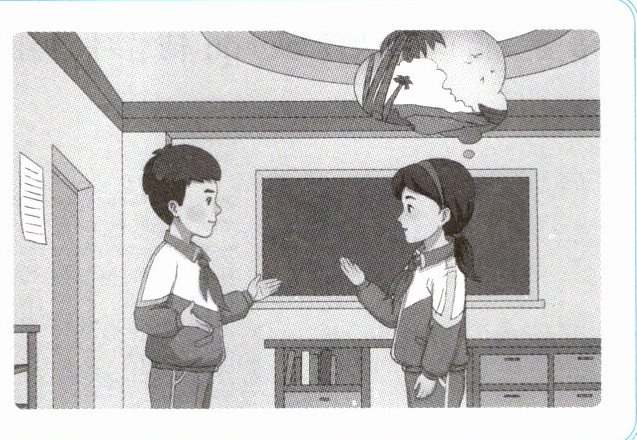
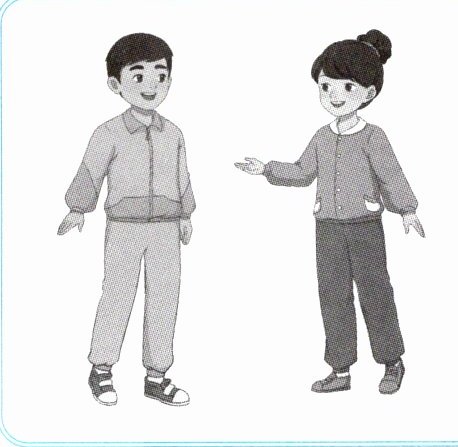
—Where is your hometown?
—My hometown is .
—How do people usually travel there?
—You can . It’s .
—What will be like in the future?
—There will be .
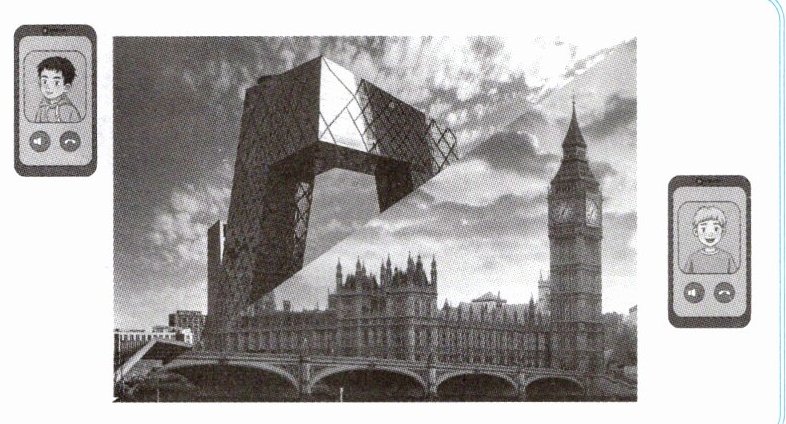
—Where do you come from?
—I come from .
—What’s like?
—It’s .
—Where is your hometown?
—My hometown is .
—How do people usually travel there?
—You can . It’s .
—What will be like in the future?
—There will be .
答案
(参考示例,符合所学内容、逻辑合理即可)
第一空:Sanya
第二空:the weather there
第三空:sunny and warm
第四空:a nice village near Jinan
第五空:take a bus
第六空:cheap and convenient
第七空:our hometown
第八空:more tall buildings and green parks
第一空:Sanya
第二空:the weather there
第三空:sunny and warm
第四空:a nice village near Jinan
第五空:take a bus
第六空:cheap and convenient
第七空:our hometown
第八空:more tall buildings and green parks
解析
这是湘鲁教版五年级上册的句型情景运用题,核心考察询问来源地、描述地点特征、询问家乡位置与出行方式、畅想未来城市样貌的常用交际句型,填写语法正确、符合情景逻辑的表达即可,答案不唯一。
4. 语法
(1)能够运用形容词来描述人、地点和其他物品。例如:a helpful girl、a modern city、a yellow bird。
(2)能够理解在表达乘坐不同交通工具时,可以使用动词take,也可以使用by ... 的结构。例如:“You can take a train.” “I go by train.”。
(3)能够理解并运用 there be 的不同形式,描述当下存在或者未来将会存在的事物。例如:“There is one small road in our village now.” “There will be many wide roads in the future.”。
答案
