

 登录
登录
D
I joined the Teach For Bangladesh(孟加拉国) programme in 2023. Everything was going well until an unusual summer came. The sudden heat and repeated power cuts stopped many students coming to school. Those who came felt tired and uncomfortable but didn't know why. They didn't know about climate change. That's when I realized we needed climate education.
Luckily, Teach For Bangladesh provided me with the tools and materials to bring climate education into my classroom. I began adding climate topics to my lessons. My students then did fun and hands-on activities, such as growing plants to cool the classroom and changing plastic bottles into bird feeders, so that they could learn climate effects on all living things.
One of the most memorable(难忘的) activities was our nature art competition. Using leaves, flowers and clay, students created amazing handicrafts to show the natural beauty we're trying to protect. They also designed climate posters and shared them with communities, spreading the importance of green living. They also taught the younger students about climate change and what to do. "We want to connect with nature more and do something for our climate," shared one student.
Although my role as a teacher ended in 2024, our climate actions live on. My students still keep green habits in their daily lives, like collecting rainwater and turning off lights and fans when leaving a room to save water and energy. It is exciting to see how small actions can slowly change many people and help everyone in our school and community care more about the environment.
Climate change is not far away—it is here, and it is changing our children's future. What steps will you take today to support your classmates and communities to fight climate change? Let's act now, before it's too late.
(
A. A student.
B. A teacher.
C. A designer.
D. A manager.
(
A. To sell tools and materials.
B. To learn how to go green.
C. To hold a nature art competition.
D. To tell why the weather changes.
(
A. They created handicrafts for communities.
B. They discussed climate topics in all subjects.
C. They shared climate posters with younger students.
D. They learnt climate effects through hands-on activities.
(
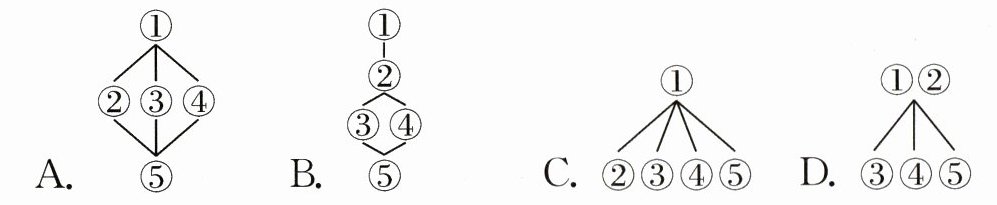
(
A. Green Habits at School
B. Fun Handicrafts in Class
C. Learning Climate, Helping All
D. Enjoying Summer, Feeling Cool
I joined the Teach For Bangladesh(孟加拉国) programme in 2023. Everything was going well until an unusual summer came. The sudden heat and repeated power cuts stopped many students coming to school. Those who came felt tired and uncomfortable but didn't know why. They didn't know about climate change. That's when I realized we needed climate education.
Luckily, Teach For Bangladesh provided me with the tools and materials to bring climate education into my classroom. I began adding climate topics to my lessons. My students then did fun and hands-on activities, such as growing plants to cool the classroom and changing plastic bottles into bird feeders, so that they could learn climate effects on all living things.
One of the most memorable(难忘的) activities was our nature art competition. Using leaves, flowers and clay, students created amazing handicrafts to show the natural beauty we're trying to protect. They also designed climate posters and shared them with communities, spreading the importance of green living. They also taught the younger students about climate change and what to do. "We want to connect with nature more and do something for our climate," shared one student.
Although my role as a teacher ended in 2024, our climate actions live on. My students still keep green habits in their daily lives, like collecting rainwater and turning off lights and fans when leaving a room to save water and energy. It is exciting to see how small actions can slowly change many people and help everyone in our school and community care more about the environment.
Climate change is not far away—it is here, and it is changing our children's future. What steps will you take today to support your classmates and communities to fight climate change? Let's act now, before it's too late.
(
B
)46. What was the writer's role in the programme?A. A student.
B. A teacher.
C. A designer.
D. A manager.
(
D
)47. Why did the writer start climate education?A. To sell tools and materials.
B. To learn how to go green.
C. To hold a nature art competition.
D. To tell why the weather changes.
(
D
)48. What did students do in climate lessons?A. They created handicrafts for communities.
B. They discussed climate topics in all subjects.
C. They shared climate posters with younger students.
D. They learnt climate effects through hands-on activities.
(
A
)49. What's the structure of the passage? (①=Paragraph 1 ...)(
C
)50. Which of the following is the best title?A. Green Habits at School
B. Fun Handicrafts in Class
C. Learning Climate, Helping All
D. Enjoying Summer, Feeling Cool
答案
D [文章大意]本文是一篇记叙文。文章讲述了作者作为孟加拉国支教项目的教师,发现学生因缺乏相关认知而受气候变化影响,于是他在课堂上开展气候教育,通过趣味实践活动让学生学习环保知识,并带动学生在生活中坚持绿色习惯的故事,最后呼吁人们行动起来应对气候变化。
46. B [解析]细节理解题。根据“I joined the Teach For Bangladesh(孟加拉国) programme in 2023.”和“Although my role as a teacher ended in 2024”可知,作者在项目中的角色是教师。故选 B。
知识拓展 Teach For... 是全球支教项目,Teach For Bangladesh 即孟加拉国支教项目,该支教项目旨在将教育资源带到资源匮乏的地区,培养学生的综合能力。
47. D [解析]细节理解题。根据“The sudden heat and repeated power cuts stopped many students coming to school. Those who came felt tired and uncomfortable but didn't know why. They didn't know about climate change. That's when I realized we needed climate education.”可知,学生受到气候变化的影响却不知道原因,作者开展气候教育是为了让学生了解气候为什么变化(气候变化的相关知识)。故选 D。
48. D [解析]细节理解题。根据“My students then did fun and hands-on activities, such as growing plants to cool the classroom and changing plastic bottles into bird feeders, so that they could learn climate effects on all living things.”可知,学生通过动手做实践活动来学习气候变化的影响。故选 D。
49. A [解析]篇章结构题。通读全文可知,文章第一段引入背景,说明开展气候教育的原因;第二至四段详细介绍课堂上的各类气候教育活动及其对学生的后续影响;第五段总结全文并发出呼吁。因此本文属于“总—分—总”的结构。故选 A。
50. C [解析]标题归纳题。A 选项“在学校的绿色习惯”仅涉及文章第四段的内容;B 选项“课堂上的趣味手工艺品”是气候教育的活动之一,属于局部内容;C 选项“学习气候知识,助力万物”涵盖了作者开展气候教育、学生学习气候知识并采取环保行动的核心内容;D 选项“享受夏日,感受凉爽”与文章主题无关。故选 C。
素养考向 本文在讲述作者的气候教学经历的同时,考查了学生提取细节、分析篇章结构与提炼主旨的语言能力;并引导学生关注气候变化,培养环保意识与社会责任感,提升思维品质与学习能力。
46. B [解析]细节理解题。根据“I joined the Teach For Bangladesh(孟加拉国) programme in 2023.”和“Although my role as a teacher ended in 2024”可知,作者在项目中的角色是教师。故选 B。
知识拓展 Teach For... 是全球支教项目,Teach For Bangladesh 即孟加拉国支教项目,该支教项目旨在将教育资源带到资源匮乏的地区,培养学生的综合能力。
47. D [解析]细节理解题。根据“The sudden heat and repeated power cuts stopped many students coming to school. Those who came felt tired and uncomfortable but didn't know why. They didn't know about climate change. That's when I realized we needed climate education.”可知,学生受到气候变化的影响却不知道原因,作者开展气候教育是为了让学生了解气候为什么变化(气候变化的相关知识)。故选 D。
48. D [解析]细节理解题。根据“My students then did fun and hands-on activities, such as growing plants to cool the classroom and changing plastic bottles into bird feeders, so that they could learn climate effects on all living things.”可知,学生通过动手做实践活动来学习气候变化的影响。故选 D。
49. A [解析]篇章结构题。通读全文可知,文章第一段引入背景,说明开展气候教育的原因;第二至四段详细介绍课堂上的各类气候教育活动及其对学生的后续影响;第五段总结全文并发出呼吁。因此本文属于“总—分—总”的结构。故选 A。
50. C [解析]标题归纳题。A 选项“在学校的绿色习惯”仅涉及文章第四段的内容;B 选项“课堂上的趣味手工艺品”是气候教育的活动之一,属于局部内容;C 选项“学习气候知识,助力万物”涵盖了作者开展气候教育、学生学习气候知识并采取环保行动的核心内容;D 选项“享受夏日,感受凉爽”与文章主题无关。故选 C。
素养考向 本文在讲述作者的气候教学经历的同时,考查了学生提取细节、分析篇章结构与提炼主旨的语言能力;并引导学生关注气候变化,培养环保意识与社会责任感,提升思维品质与学习能力。
