

 登录
五、核心素养 中华优秀传统文化 阅读理解。
主题群:历史、社会与文化
子主题:文化习俗
语篇类型:说明文
难度:★★★
[2026 扬州市高邮市模拟]Chopsticks have been used in Asia for over 3,000 years. The earliest chopsticks were discovered in Henan, China about 1200 BCE. Over the next 2,000 years, they spread through East and Southeast Asia.
The three best-known types are Chinese, Japanese, and Korean. Chinese chopsticks are longer with wide, rounded points at the end, mostly made of plastic or bamboo. While Japanese chopsticks are shorter and more pointed. Korean ones are flat rather than round and made of metal rather than wood. It's said that ancient royalty(皇室) used silver chopsticks to see if their food was poisoned(被下毒). In Southeast Asia, Vietnamese chopsticks are similar to Chinese ones.
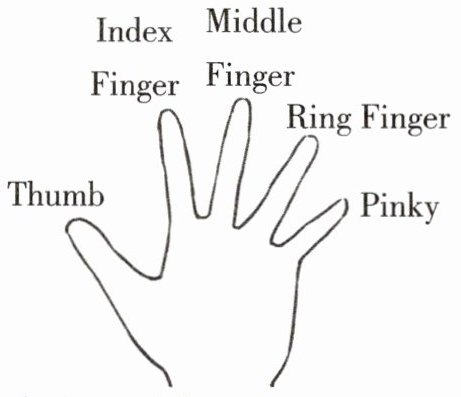
Chopsticks are not just eating tools. A proper chopstick grip(握法) can improve dining experience. First, place the top part of two sticks between your thumb and index finger. Hold the upper chopstick gently with your first three fingers while resting the lower one at your ring finger. Meanwhile, put your thumb at the side of your index-finger nail. The upper stick is moved up and down with the movements of the index finger and middle finger. This way, pieces of food can be easily grasped between the tips of chopsticks.
1. (创新考法·组合选择)We can learn about the
① features ② discovery ③ materials ④ types ⑤ sales
A. ①②③
B. ③④⑤
C. ①③④
D. ①②⑤
2. (创新考法·图片理解)Which of the following pictures describes the proper chopstick grip?

3. (创新考法·信息还原)Which sentence can be put in "" in Paragraph 4?
A. It's not easy for you to get the use of chopsticks.
B. Understanding chopstick manners is also necessary.
C. Remember to choose suitable chopsticks for meals.
D. Chopsticks play an important role at Chinese table.
主题群:历史、社会与文化
子主题:文化习俗
语篇类型:说明文
难度:★★★
[2026 扬州市高邮市模拟]Chopsticks have been used in Asia for over 3,000 years. The earliest chopsticks were discovered in Henan, China about 1200 BCE. Over the next 2,000 years, they spread through East and Southeast Asia.
The three best-known types are Chinese, Japanese, and Korean. Chinese chopsticks are longer with wide, rounded points at the end, mostly made of plastic or bamboo. While Japanese chopsticks are shorter and more pointed. Korean ones are flat rather than round and made of metal rather than wood. It's said that ancient royalty(皇室) used silver chopsticks to see if their food was poisoned(被下毒). In Southeast Asia, Vietnamese chopsticks are similar to Chinese ones.
Chopsticks are not just eating tools. A proper chopstick grip(握法) can improve dining experience. First, place the top part of two sticks between your thumb and index finger. Hold the upper chopstick gently with your first three fingers while resting the lower one at your ring finger. Meanwhile, put your thumb at the side of your index-finger nail. The upper stick is moved up and down with the movements of the index finger and middle finger. This way, pieces of food can be easily grasped between the tips of chopsticks.
B
The first rule is to grab and not stab(刺入) food with the tip of your chopsticks. Second, don't set chopsticks vertically(垂直地) into the rice in your bowl. In some cultures, such positioning of chopsticks is considered as a symbol associated with death. Third, watch where you point your chopsticks. It's rude to point them directly at others.1. (创新考法·组合选择)We can learn about the
C
of chopsticks in Paragraph 2.① features ② discovery ③ materials ④ types ⑤ sales
A. ①②③
B. ③④⑤
C. ①③④
D. ①②⑤
2. (创新考法·图片理解)Which of the following pictures describes the proper chopstick grip?
3. (创新考法·信息还原)Which sentence can be put in "" in Paragraph 4?
A. It's not easy for you to get the use of chopsticks.
B. Understanding chopstick manners is also necessary.
C. Remember to choose suitable chopsticks for meals.
D. Chopsticks play an important role at Chinese table.
答案
1. C 组合选择题。通读第二段内容可知,本段主要介绍了筷子的特征、材料和类型。
2. D 图片理解题。根据第三段可知,正确的筷子握法是:筷子上部用食指和中指控制,拇指放在食指旁边,筷子下部用无名指支撑,两根筷子的顶部在拇指和食指之间。
3. B 信息还原题。根据第四段内容可知,本段主要讲述了筷子的餐桌礼仪,因此B项“了解使用筷子的礼仪也是必要的。”符合语境。
方法归纳
阅读理解之信息还原题
一、按空格位置做题
1. 段首空:选总起句,能概括下文全部内容(如分点规则、多条建议)。
2. 段中空:选过渡句,能承接上文并引出下文,匹配but、also等逻辑词。
3. 段尾空:选总结句,收拢本段,不出现全新话题。
二、三个快速找答案方法
1. 找词呼应:正确选项会和原文有相同或相近单词。
2. 看逻辑词:转折、因果、递进关联词匹配前后文意。
3. 话题一致:和段落核心话题无关的选项直接排除。
解析
【分析】
首先,第1题是组合选择题,需定位第二段内容,梳理段落涉及的筷子相关信息,匹配选项中的①-⑤,排除无关的“发现”“销售”内容,得出正确组合;第2题是图片理解题,需对应第三段的筷子握法描述,匹配符合步骤的插图;第3题是信息还原题,空格在段首,需概括第四段的核心内容(筷子礼仪),结合选项的逻辑和话题一致性选出答案。
【解析】
1. 通读第二段可知,本段介绍了不同国家筷子的特征(长短、形状)、材料(塑料、竹子、金属等)、类型(中、日、韩等),未提及筷子的发现和销售,对应①③④,答案选C。
2. 根据第三段对正确握法的描述:筷子上部由拇指和食指夹住,上筷用前三指握住,下筷靠无名指支撑,拇指放在食指指甲旁,符合该描述的插图为D。
3. 空格位于第四段段首,需总起本段内容。第四段主要讲述使用筷子的礼仪(如不能刺入食物、不能垂直插米饭、不能指人),B选项“了解使用筷子的礼仪也是必要的”既呼应前文“筷子不仅是工具”,又总起下文的礼仪内容,符合语境,故选B。
【答案】
1.C 2.D 3.B
【知识点】
阅读理解细节理解、阅读理解信息还原、文化习俗
【点评】
本题结合中华优秀传统文化(筷子文化)考查英语阅读理解能力,涵盖组合选择、图片理解、信息还原三类题型,需学生精准定位语篇细节、把握段落逻辑,同时结合文化背景知识解题。
【难度系数】
0.6
