

 登录
登录
二、阅读理解

In the past, making dictionaries was different from today. Without computers, dictionary makers had to do everything by hand, which took many years of hard work.
First, teams of researchers read thousands of books, newspapers, and letters. As they read, they copied important information on cards: interesting words, common words—both in their daily uses and unusual uses, the words and the uses of each word were collected. For big dictionaries like *Oxford English Dictionary*, they collected over 5 million such cards! As the cards were collected, they were put in alphabetical order (A - Z).
Then, dictionary makers would study all the cards for one word to understand its different meanings. For example, they might find that “mouse” could mean an animal or a computer device. Finally, they wrote the definitions(定义), following the hard - and - fast rule: each definition must come from an example on a certain card in front of him.
The most important rule was that dictionary makers never invented meanings. They only wrote definitions based on how people actually used words in real life. They are the historians not the lawmakers. Sometimes, this research took decades—the first *Oxford English Dictionary* needed 70 years to finish!
Nowadays, we can use online dictionaries. When choosing our words in speaking or writing, we cannot be controlled by them, because the new society, new inventions, and new feelings are always pushing us to give new uses to old words.
(
A. It should be done by historians.
B. It was a task of inventing and recording.
C. It was long - time hard work.
D. It had to use the law - making rules.
(

A. ①③④②
B. ①②④③
C. ③④②①
D. ③①④②
(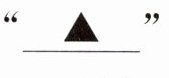 in Paragraph 2?
A. When this was done, there would be several hundred cards for each single word.
B. There are many types of cards, such as paper - based cards and e - cards.
C. However, if dictionary writers use them in a wrong way, the cards can't help them.
D. Cards as tools can help the learners to develop their language skills.
(
A. Be open to the new uses of words.
B. Follow the dictionary only.
C. Use online dictionaries instead.
D. Try to create new words.
In the past, making dictionaries was different from today. Without computers, dictionary makers had to do everything by hand, which took many years of hard work.
First, teams of researchers read thousands of books, newspapers, and letters. As they read, they copied important information on cards: interesting words, common words—both in their daily uses and unusual uses, the words and the uses of each word were collected. For big dictionaries like *Oxford English Dictionary*, they collected over 5 million such cards! As the cards were collected, they were put in alphabetical order (A - Z).
Then, dictionary makers would study all the cards for one word to understand its different meanings. For example, they might find that “mouse” could mean an animal or a computer device. Finally, they wrote the definitions(定义), following the hard - and - fast rule: each definition must come from an example on a certain card in front of him.
The most important rule was that dictionary makers never invented meanings. They only wrote definitions based on how people actually used words in real life. They are the historians not the lawmakers. Sometimes, this research took decades—the first *Oxford English Dictionary* needed 70 years to finish!
Nowadays, we can use online dictionaries. When choosing our words in speaking or writing, we cannot be controlled by them, because the new society, new inventions, and new feelings are always pushing us to give new uses to old words.
(
C
)1. What can we learn from the passage about dictionary writing in the past?A. It should be done by historians.
B. It was a task of inventing and recording.
C. It was long - time hard work.
D. It had to use the law - making rules.
(
D
)2. Which shows the CORRECT steps of how dictionaries were made in the past?A. ①③④②
B. ①②④③
C. ③④②①
D. ③①④②
(
A
)3. Which sentence is the best for in Paragraph 2?A. When this was done, there would be several hundred cards for each single word.
B. There are many types of cards, such as paper - based cards and e - cards.
C. However, if dictionary writers use them in a wrong way, the cards can't help them.
D. Cards as tools can help the learners to develop their language skills.
(
A
)4. What does the writer advise us to do when we choose words in communication?A. Be open to the new uses of words.
B. Follow the dictionary only.
C. Use online dictionaries instead.
D. Try to create new words.
答案
【语篇解读】本文是一篇说明文。文章主要介绍了词典的制作过程及其演变。
1. C细节理解题。根据“In the past, making dictionaries was different from today. Without computers, dictionary makers had to do everything by hand, which took many years of hard work.”可知,在过去,编字典和现在不同,没有电脑,词典编纂者不得不手工完成所有的工作,这是花费了数年的艰苦工作。故选C。
2. D事件排序题。根据“First, teams of researchers read thousands of books, newspapers, and letters. As they read, they copied important information on cards... the words and the uses of each word were collected.”可知,首先,研究小组阅读了成千上万的书籍、报纸和信件,他们一边阅读,一边把重要信息抄写在卡片上,收集了单词和每个单词的用法,对应③;接着根据“As the cards were collected, they were put in alphabetical order (A-Z).”可知,把收集的卡片按字母顺序排列,对应①;然后根据“Then, dictionary makers would study all the cards for one word to understand its different meanings...”可知,词典编纂者会研究一个单词的所有卡片,以了解它的不同含义,对应④;最后根据“Finally, they wrote the definitions, following the hard-and-fast rule: each definition must come from an example on a certain card in front of him.”可知,最后编写定义,对应②。所以正确顺序是:③①④②。故选D。
3. A补全文章题。根据“As the cards were collected, they were put in alphabetical order (A-Z).”可知,当卡片被收集起来后,它们被按字母顺序排列,结合后文“Then, dictionary makers would study all the cards for one word to understand its different meanings...”可知,然后,词典编纂者会研究一个单词的所有卡片,以了解它的不同含义,所以A选项“当这一步完成后,每个单词会有几百张卡片”能很好地衔接上下文,说明按字母顺序排列后每个单词会有很多卡片。故选A。
4. A推理判断题。根据“When choosing our words in speaking or writing, we cannot be controlled by them, because the new society, new inventions, and new feelings are always pushing us to give new uses to old words.”可知,作者建议当我们在说话或写作中选择词汇时,我们不能被它们所控制,因为新社会、新发明和新感觉总是促使我们给旧词汇赋予新的用法。故选A。
1. C细节理解题。根据“In the past, making dictionaries was different from today. Without computers, dictionary makers had to do everything by hand, which took many years of hard work.”可知,在过去,编字典和现在不同,没有电脑,词典编纂者不得不手工完成所有的工作,这是花费了数年的艰苦工作。故选C。
2. D事件排序题。根据“First, teams of researchers read thousands of books, newspapers, and letters. As they read, they copied important information on cards... the words and the uses of each word were collected.”可知,首先,研究小组阅读了成千上万的书籍、报纸和信件,他们一边阅读,一边把重要信息抄写在卡片上,收集了单词和每个单词的用法,对应③;接着根据“As the cards were collected, they were put in alphabetical order (A-Z).”可知,把收集的卡片按字母顺序排列,对应①;然后根据“Then, dictionary makers would study all the cards for one word to understand its different meanings...”可知,词典编纂者会研究一个单词的所有卡片,以了解它的不同含义,对应④;最后根据“Finally, they wrote the definitions, following the hard-and-fast rule: each definition must come from an example on a certain card in front of him.”可知,最后编写定义,对应②。所以正确顺序是:③①④②。故选D。
3. A补全文章题。根据“As the cards were collected, they were put in alphabetical order (A-Z).”可知,当卡片被收集起来后,它们被按字母顺序排列,结合后文“Then, dictionary makers would study all the cards for one word to understand its different meanings...”可知,然后,词典编纂者会研究一个单词的所有卡片,以了解它的不同含义,所以A选项“当这一步完成后,每个单词会有几百张卡片”能很好地衔接上下文,说明按字母顺序排列后每个单词会有很多卡片。故选A。
4. A推理判断题。根据“When choosing our words in speaking or writing, we cannot be controlled by them, because the new society, new inventions, and new feelings are always pushing us to give new uses to old words.”可知,作者建议当我们在说话或写作中选择词汇时,我们不能被它们所控制,因为新社会、新发明和新感觉总是促使我们给旧词汇赋予新的用法。故选A。
解析
【分析】
这是一篇介绍词典编纂发展的说明文阅读理解,解题思路如下:
1. 先通读全文,梳理文章核心脉络:先介绍过去手工编词典的背景、完整流程,再说明现在在线词典时代的词汇使用特点。
2. 第1题是细节理解题,直接定位第一段关于过去编词典的描述,逐一比对选项排除错误表述即可。
3. 第2题是事件排序题,顺着原文里first、then、finally这类顺序提示词,把每个步骤和题干的序号对应,就能梳理出正确先后顺序。
4. 第3题是语句补全题,需要结合空格前后的上下文逻辑,选出能承上启下、符合词典编纂卡片流程的句子。
5. 第4题是推理判断题,定位最后一段作者关于词汇选择的表述,匹配同义替换的正确选项即可。
【解析】
1. 细节理解题:根据第一段"Without computers, dictionary makers had to do everything by hand, which took many years of hard work"可知过去编词典是耗时很久的辛苦工作。A选项原文只是说编纂者是词义的记录者(像历史学家),不是说必须由历史学家来做;B选项原文明确说明编纂者从不编造词义,不是"发明"的工作;D选项原文说编纂者不是立法者,不需要遵循立法规则,三个选项均错误,因此选C。
2. 事件排序题:根据原文流程:第一步研究人员阅读大量资料收集单词和对应用法(对应③),第二步把收集到的卡片按A-Z字母顺序排列(对应①),第三步编纂者逐个研究单个单词的所有卡片梳理不同含义(对应④),最后按照规则编写词义定义(对应②),正确顺序为③①④②,因此选D。
3. 语句补全题:空格前文提到收集完卡片后按字母排序,后文提到编纂者要研究单个单词的所有卡片梳理含义,A选项"当这一步完成后,每个单词会有几百张卡片"可以完美衔接排序操作和后续研究卡片的流程,其余选项:B提到电子卡不符合过去手工编词典的背景,C的"错误使用卡片"、D的"卡片帮助学习者提升语言能力"都和上下文词典编纂的语境无关,因此选A。
4. 推理判断题:根据最后一段"we cannot be controlled by them, because the new society, new inventions, and new feelings are always pushing us to give new uses to old words"可知作者建议我们不要被词典束缚,要接纳词汇的新用法。B"只遵从词典"和原文表述相反,C"只用在线词典"原文没有相关表述,D"创造全新单词"和原文"给旧词赋予新用法"的描述不符,因此选A。
【答案】
1. C 2. D 3. A 4. A
【知识点】
细节理解题,阅读事件排序,说明文阅读
【点评】
本题难度适中,覆盖了初中英语阅读最常见的四类考点,引导学生熟练掌握"原文定位找依据""顺着逻辑提示词梳理顺序""结合上下文衔接选补全句"的实用解题技巧,同时也能让学生了解传统词典编纂的相关常识。
【难度系数】
0.7
这是一篇介绍词典编纂发展的说明文阅读理解,解题思路如下:
1. 先通读全文,梳理文章核心脉络:先介绍过去手工编词典的背景、完整流程,再说明现在在线词典时代的词汇使用特点。
2. 第1题是细节理解题,直接定位第一段关于过去编词典的描述,逐一比对选项排除错误表述即可。
3. 第2题是事件排序题,顺着原文里first、then、finally这类顺序提示词,把每个步骤和题干的序号对应,就能梳理出正确先后顺序。
4. 第3题是语句补全题,需要结合空格前后的上下文逻辑,选出能承上启下、符合词典编纂卡片流程的句子。
5. 第4题是推理判断题,定位最后一段作者关于词汇选择的表述,匹配同义替换的正确选项即可。
【解析】
1. 细节理解题:根据第一段"Without computers, dictionary makers had to do everything by hand, which took many years of hard work"可知过去编词典是耗时很久的辛苦工作。A选项原文只是说编纂者是词义的记录者(像历史学家),不是说必须由历史学家来做;B选项原文明确说明编纂者从不编造词义,不是"发明"的工作;D选项原文说编纂者不是立法者,不需要遵循立法规则,三个选项均错误,因此选C。
2. 事件排序题:根据原文流程:第一步研究人员阅读大量资料收集单词和对应用法(对应③),第二步把收集到的卡片按A-Z字母顺序排列(对应①),第三步编纂者逐个研究单个单词的所有卡片梳理不同含义(对应④),最后按照规则编写词义定义(对应②),正确顺序为③①④②,因此选D。
3. 语句补全题:空格前文提到收集完卡片后按字母排序,后文提到编纂者要研究单个单词的所有卡片梳理含义,A选项"当这一步完成后,每个单词会有几百张卡片"可以完美衔接排序操作和后续研究卡片的流程,其余选项:B提到电子卡不符合过去手工编词典的背景,C的"错误使用卡片"、D的"卡片帮助学习者提升语言能力"都和上下文词典编纂的语境无关,因此选A。
4. 推理判断题:根据最后一段"we cannot be controlled by them, because the new society, new inventions, and new feelings are always pushing us to give new uses to old words"可知作者建议我们不要被词典束缚,要接纳词汇的新用法。B"只遵从词典"和原文表述相反,C"只用在线词典"原文没有相关表述,D"创造全新单词"和原文"给旧词赋予新用法"的描述不符,因此选A。
【答案】
1. C 2. D 3. A 4. A
【知识点】
细节理解题,阅读事件排序,说明文阅读
【点评】
本题难度适中,覆盖了初中英语阅读最常见的四类考点,引导学生熟练掌握"原文定位找依据""顺着逻辑提示词梳理顺序""结合上下文衔接选补全句"的实用解题技巧,同时也能让学生了解传统词典编纂的相关常识。
【难度系数】
0.7
