

 登录
登录
四、阅读理解(共15小题,每小题2分,满分30分)
A

China has recycled 170 million tons of plastic waste since 2011, saving 510 million tons of crude oil(原油)and reducing carbon emissions by 61.2 million tons. With 45% of global plastic recycling, China employs 900,000 people in this industry. Experts say recycling helps fight pollution and climate change, though challenges like plastic entering food chains remain.
Wetlands(湿地)Protect Migratory Birds in China
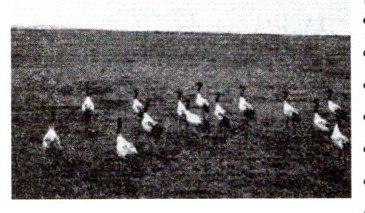
China's Yellow River Delta wetlands now host over 6 million migratory birds yearly, including rare red - crowned cranes and flamingos(火烈鸟). In Gansu's Yellow River First Curve Reserve, 30,000 birds stopped last November, setting a record high. Today, 55% of China's wetlands are under protection, saving habitats for more than 600 bird species. However, challenges like plastic pollution in rivers still need attention.
Fishing Ban Brings Life Back to China's Yangtze River
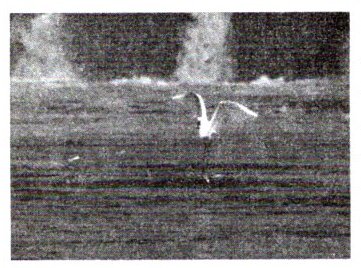
China's ban(禁令)on fishing in the Yangtze River, started in 2021, has helped fish numbers grow by 16.7%. Scientists found 227 types of local fish in 2023 — 34 more than before the ban. However, problems remain. Some parts of the river still face pollution, and illegal fishing is hard to stop due to limited technology. Experts say everyone can help by reporting illegal fishing and reducing plastic waste.
51. In which SECTION of the website can we read the news?
A. Technology & Innovation.
B. Human & Animals.
C. Environment & Nature.
D. Sports & Entertainment.
52. Which of the following is TRUE about the protection of wetlands in China?
A. The number of red - crowned cranes has dropped because of plastic pollution.
B. Over 600 bird species have completely disappeared from the Yellow River Delta.
C. 30,000 birds were observed in Gansu's reserve in November last year.
D. Only 34% of China's wetlands are now protected.
53. What helped fish numbers grow in the Yangtze River?
A. Foreign fish species were introduced in the Yangtze River.
B. People were not allowed to fish in the Yangtze River.
C. People reduced the plastic waste along the Yangtze River.
D. The development of technology helped to stop illegal fishing.
54. What would be the best heading for the first piece of news?
A. China Faces Plastic Waste Challenges
B. China Makes Efforts in Plastic Recycling
C. New Jobs Created in Recycling Industry
D. How to Reduce Carbon Emissions
55. What do the three pieces of news have in common?
A. They all mentioned plastic pollution.
B. They focus on problems with water pollution.
C. They all show China's actions to protect animals.
D. They explain how to save endangered animals.
A
China has recycled 170 million tons of plastic waste since 2011, saving 510 million tons of crude oil(原油)and reducing carbon emissions by 61.2 million tons. With 45% of global plastic recycling, China employs 900,000 people in this industry. Experts say recycling helps fight pollution and climate change, though challenges like plastic entering food chains remain.
Wetlands(湿地)Protect Migratory Birds in China
China's Yellow River Delta wetlands now host over 6 million migratory birds yearly, including rare red - crowned cranes and flamingos(火烈鸟). In Gansu's Yellow River First Curve Reserve, 30,000 birds stopped last November, setting a record high. Today, 55% of China's wetlands are under protection, saving habitats for more than 600 bird species. However, challenges like plastic pollution in rivers still need attention.
Fishing Ban Brings Life Back to China's Yangtze River
China's ban(禁令)on fishing in the Yangtze River, started in 2021, has helped fish numbers grow by 16.7%. Scientists found 227 types of local fish in 2023 — 34 more than before the ban. However, problems remain. Some parts of the river still face pollution, and illegal fishing is hard to stop due to limited technology. Experts say everyone can help by reporting illegal fishing and reducing plastic waste.
51. In which SECTION of the website can we read the news?
A. Technology & Innovation.
B. Human & Animals.
C. Environment & Nature.
D. Sports & Entertainment.
52. Which of the following is TRUE about the protection of wetlands in China?
A. The number of red - crowned cranes has dropped because of plastic pollution.
B. Over 600 bird species have completely disappeared from the Yellow River Delta.
C. 30,000 birds were observed in Gansu's reserve in November last year.
D. Only 34% of China's wetlands are now protected.
53. What helped fish numbers grow in the Yangtze River?
A. Foreign fish species were introduced in the Yangtze River.
B. People were not allowed to fish in the Yangtze River.
C. People reduced the plastic waste along the Yangtze River.
D. The development of technology helped to stop illegal fishing.
54. What would be the best heading for the first piece of news?
A. China Faces Plastic Waste Challenges
B. China Makes Efforts in Plastic Recycling
C. New Jobs Created in Recycling Industry
D. How to Reduce Carbon Emissions
55. What do the three pieces of news have in common?
A. They all mentioned plastic pollution.
B. They focus on problems with water pollution.
C. They all show China's actions to protect animals.
D. They explain how to save endangered animals.
答案
51—55 CCBBA
解析
翻译:
### 四、阅读理解(共15小题,每小题2分,满分30分)
#### 新闻一
自2011年以来,中国已回收1.7亿吨塑料废弃物,节省了5.1亿吨原油,减少了6120万吨碳排放。中国的塑料回收量占全球的45%,该行业雇佣了90万人。专家表示,回收利用有助于对抗污染和气候变化,不过塑料进入食物链等挑战仍然存在。
#### 新闻二:湿地保护中国候鸟
中国黄河三角洲湿地现在每年接待超过600万只候鸟,包括珍稀的丹顶鹤和火烈鸟。在甘肃的黄河首曲保护区,去年11月有3万只鸟停留,创下历史新高。如今,中国55%的湿地受到保护,为600多种鸟类保留了栖息地。然而,河流中的塑料污染等挑战仍然需要关注。
#### 新闻三:禁渔令让长江重焕生机
中国自2021年开始实施的长江禁渔令,已使鱼类数量增长了16.7%。科学家在2023年发现了227种本地鱼类,比禁渔前多了34种。然而,问题仍然存在。长江的一些区域仍然面临污染问题,且由于技术有限,非法捕鱼难以制止。专家表示,每个人都可以通过举报非法捕鱼和减少塑料废弃物来提供帮助。
51. 我们可以在网站的哪个板块阅读到这些新闻?
A. 技术与创新。
B. 人类与动物。
C. 环境与自然。
D. 体育与娱乐。
52. 关于中国湿地保护,下列哪项是正确的?
A. 由于塑料污染,丹顶鹤的数量已经减少。
B. 超过600种鸟类已经从黄河三角洲完全消失。
C. 去年11月在甘肃的保护区观测到3万只鸟。
D. 目前中国只有34%的湿地受到保护。
53. 什么使得长江中的鱼类数量增长?
A. 外来鱼类物种被引入长江。
B. 人们被禁止在长江捕鱼。
C. 人们减少了长江沿岸的塑料废弃物。
D. 技术的发展有助于制止非法捕鱼。
54. 第一条新闻的最佳标题是什么?
A. 中国面临塑料废弃物挑战
B. 中国在塑料回收方面做出努力
C. 回收行业创造新就业机会
D. 如何减少碳排放
55. 这三条新闻有什么共同之处?
A. 它们都提到了塑料污染。
B. 它们聚焦于水污染问题。
C. 它们都展示了中国保护动物的行动。
D. 它们解释了如何拯救濒危动物。
