

 登录
Ⅴ. 阅读理解。
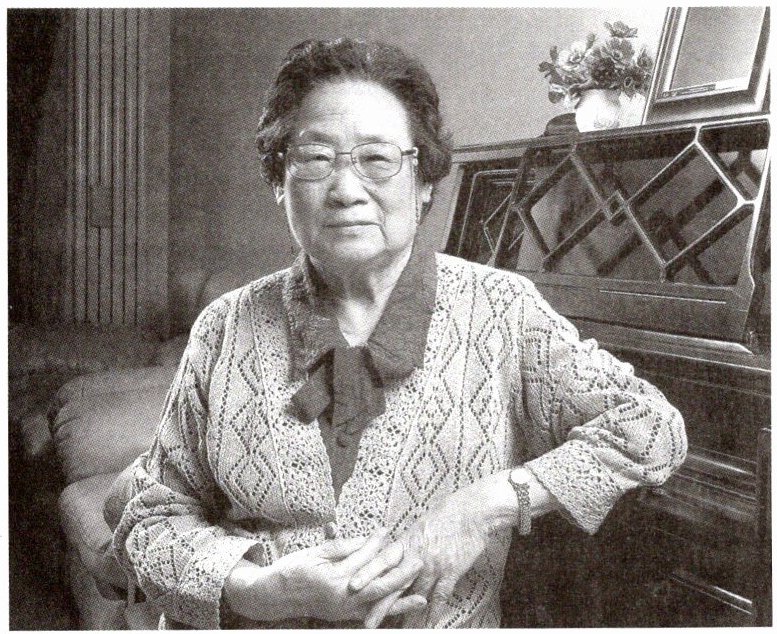
Tu Youyou, a famous Chinese scientist, is known worldwide for her great work in fighting malaria (疟疾). Born in 1930, she has spent most of her life studying Traditional Chinese Medicine (TCM) and its possible uses in modern healthcare.
In the 1960s, malaria was a deadly disease that killed millions of people every year, especially in poor countries. The Chinese government started a project to find a new treatment for malaria, and Tu Youyou was chosen to lead the team. At that time, there were few modern tools, and the team had to work in simple labs. Tu and her teammates read hundreds of ancient TCM books to look for ideas. They found a record about a special plant that was used to treat fevers in old times.
However, making the medicine from this special plant was not easy. The team tested more than 200 different ways. Finally, in 1972, they succeeded in getting the artemisinin (青蒿素).
Artemisinin worked well at killing the malaria parasites (寄生虫) in the human body. Later, artemisinin-based drugs became a first-line treatment for malaria around the world, saving millions of lives, mostly in Africa and Asia.
In 2015, Tu Youyou won the Nobel Prize in Physiology or Medicine for her discovery. She was the first Chinese scientist to win this prize without working abroad. When asked about her success, Tu once said, “Traditional Chinese Medicine is a great treasure. We should continue to study it and use it to help more people.” Even in her 90s, she still kept working on improving anti-malaria drugs.
32. What’s the main idea of Paragraph 2?
A. When Tu Youyou found a special plant.
B. How Tu Youyou worked in simple labs.
C. Why Tu Youyou read ancient TCM books.
D. What Tu Youyou did with malaria in early times.
33. When did Tu Youyou’s team successfully get artemisinin?
A. In 1972.
B. In 1930.
C. In the 1960s.
D. In 2015.
34. What does Tu Youyou think about Traditional Chinese Medicine (TCM)?
A. She believes TCM can only treat small illnesses like colds.
B. She thinks TCM is better than all modern medical methods.
C. She thinks TCM is outdated and not useful for modern diseases.
D. She believes TCM has great value and should be further developed.
35. Who is this passage most likely written for?
A. Doctors who are looking for new ways to treat malaria.
B. Historians who research the history of the Nobel Prize.
C. Young students who are learning about famous scientists.
D. Professional pharmacologists who study malaria treatments.
36. What do you think of Tu Youyou from the passage?
A. Quiet and different.
B. Patient and persistent.
C. Outgoing and helpful.
D. Modern and Successful.
Tu Youyou, a famous Chinese scientist, is known worldwide for her great work in fighting malaria (疟疾). Born in 1930, she has spent most of her life studying Traditional Chinese Medicine (TCM) and its possible uses in modern healthcare.
In the 1960s, malaria was a deadly disease that killed millions of people every year, especially in poor countries. The Chinese government started a project to find a new treatment for malaria, and Tu Youyou was chosen to lead the team. At that time, there were few modern tools, and the team had to work in simple labs. Tu and her teammates read hundreds of ancient TCM books to look for ideas. They found a record about a special plant that was used to treat fevers in old times.
However, making the medicine from this special plant was not easy. The team tested more than 200 different ways. Finally, in 1972, they succeeded in getting the artemisinin (青蒿素).
Artemisinin worked well at killing the malaria parasites (寄生虫) in the human body. Later, artemisinin-based drugs became a first-line treatment for malaria around the world, saving millions of lives, mostly in Africa and Asia.
In 2015, Tu Youyou won the Nobel Prize in Physiology or Medicine for her discovery. She was the first Chinese scientist to win this prize without working abroad. When asked about her success, Tu once said, “Traditional Chinese Medicine is a great treasure. We should continue to study it and use it to help more people.” Even in her 90s, she still kept working on improving anti-malaria drugs.
32. What’s the main idea of Paragraph 2?
A. When Tu Youyou found a special plant.
B. How Tu Youyou worked in simple labs.
C. Why Tu Youyou read ancient TCM books.
D. What Tu Youyou did with malaria in early times.
33. When did Tu Youyou’s team successfully get artemisinin?
A. In 1972.
B. In 1930.
C. In the 1960s.
D. In 2015.
34. What does Tu Youyou think about Traditional Chinese Medicine (TCM)?
A. She believes TCM can only treat small illnesses like colds.
B. She thinks TCM is better than all modern medical methods.
C. She thinks TCM is outdated and not useful for modern diseases.
D. She believes TCM has great value and should be further developed.
35. Who is this passage most likely written for?
A. Doctors who are looking for new ways to treat malaria.
B. Historians who research the history of the Nobel Prize.
C. Young students who are learning about famous scientists.
D. Professional pharmacologists who study malaria treatments.
36. What do you think of Tu Youyou from the passage?
A. Quiet and different.
B. Patient and persistent.
C. Outgoing and helpful.
D. Modern and Successful.
答案
32. D 33. A 34. D 35. C 36. B
