

 登录
登录
1. Listen and tick or cross
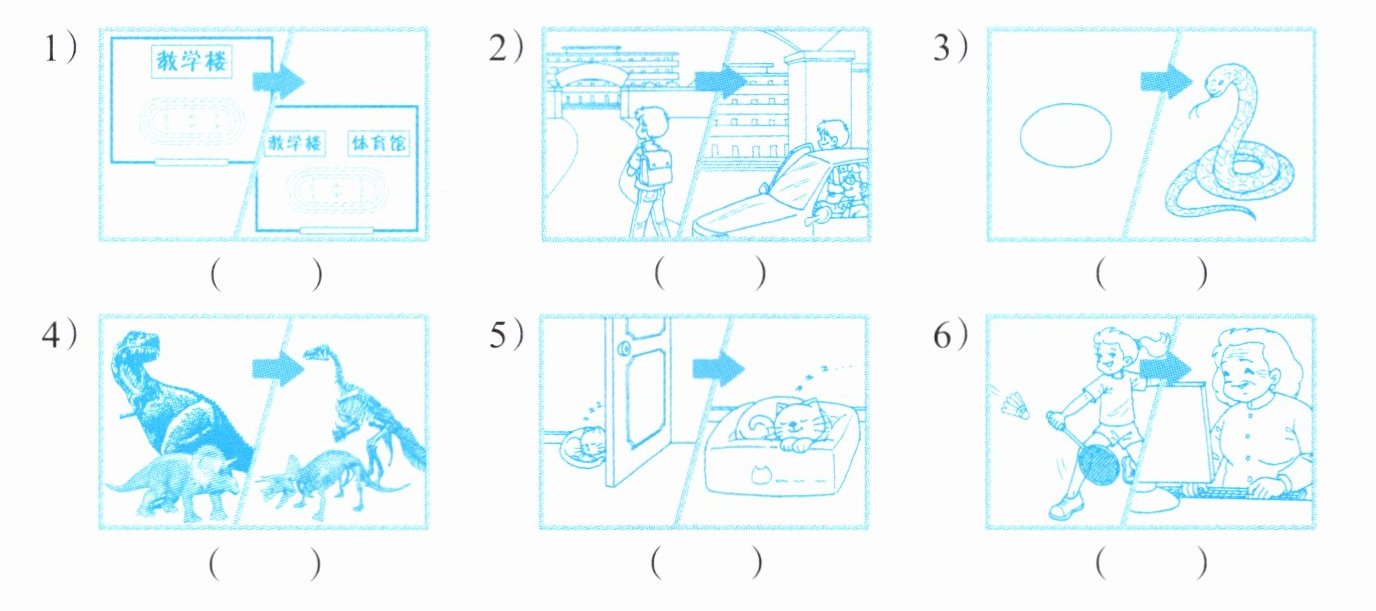
1. √
2. ×
3. ×
4. √
5. √
6. √
2. ×
3. ×
4. √
5. √
6. √
答案
1. √
2. ×
3. ×
4. √
5. √
6. √
2. ×
3. ×
4. √
5. √
6. √
解析
翻译:
听录音,打勾或打叉
2. Listen and number
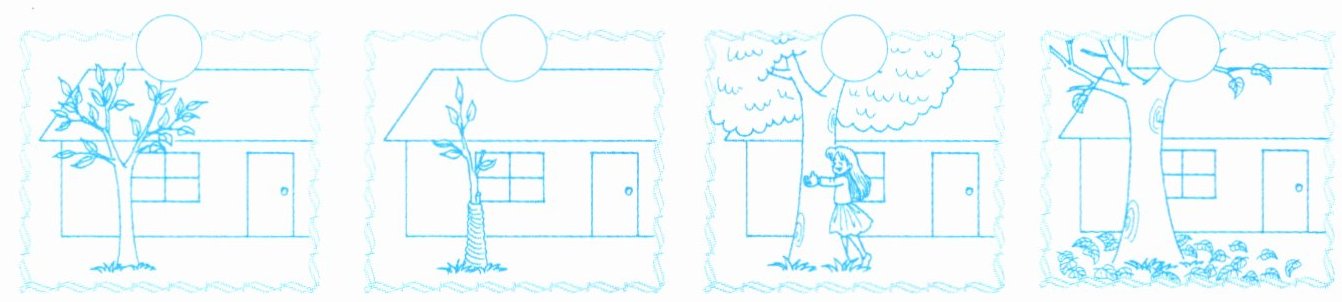
2 1 4 3
答案
2 1 4 3
解析
翻译:
2. 听录音并标号
3. Read, choose and write
do doing does did
1) My mum
play playing plays played
2) Mary liked
do doing does did
1) My mum
does
the cleaning every weekend. But last weekend I did
the cleaning. I don't like doing
the cleaning, but my mum was sick last weekend. She couldn't do
the cleaning, so I have to do
the cleaning myself.play playing plays played
2) Mary liked
playing
computer games before. She played
computer games very well before. But now she likes playing
the piano. She plays
the piano every day. She can play
the piano very well.答案
1) does, did, doing, do, do
2) playing, played, playing, plays, play
2) playing, played, playing, plays, play
解析
1) 第一句中"every weekend"表明一般现在时,主语"My mum"为第三人称单数,故填"does";"last weekend"表明过去时,故填"did";"like doing sth."为固定搭配,故填"doing";"couldn't"后接动词原形,故填"do";"have to"后接动词原形,故填"do"。
2) "liked"后接动词-ing形式,故填"playing";"before"与过去时连用,主语"She"为第三人称单数,故填"played";"likes"后接动词-ing形式,故填"playing";"every day"表明一般现在时,主语"She"为第三人称单数,故填"plays";"can"后接动词原形,故填"play"。
翻译:
3. 读一读,选一选,写一写
做(原形) 做(现在分词) 做(第三人称单数形式) 做(过去式)
1) 我的妈妈每个周末都______打扫卫生。但是上周末我______打扫卫生。我不喜欢______打扫卫生,但是上周末我的妈妈生病了。她不能______打扫卫生,所以我不得不自己______打扫卫生。
玩(原形) 玩(现在分词) 玩(第三人称单数形式) 玩(过去式)
2) 玛丽以前喜欢______电脑游戏。她以前______电脑游戏玩得很好。但是现在她喜欢______钢琴。她每天都______钢琴。她能______钢琴弹得很好。
2) "liked"后接动词-ing形式,故填"playing";"before"与过去时连用,主语"She"为第三人称单数,故填"played";"likes"后接动词-ing形式,故填"playing";"every day"表明一般现在时,主语"She"为第三人称单数,故填"plays";"can"后接动词原形,故填"play"。
翻译:
3. 读一读,选一选,写一写
做(原形) 做(现在分词) 做(第三人称单数形式) 做(过去式)
1) 我的妈妈每个周末都______打扫卫生。但是上周末我______打扫卫生。我不喜欢______打扫卫生,但是上周末我的妈妈生病了。她不能______打扫卫生,所以我不得不自己______打扫卫生。
玩(原形) 玩(现在分词) 玩(第三人称单数形式) 玩(过去式)
2) 玛丽以前喜欢______电脑游戏。她以前______电脑游戏玩得很好。但是现在她喜欢______钢琴。她每天都______钢琴。她能______钢琴弹得很好。
