

 登录
登录
一、根据汉语意思或音标写单词。
1. He
2. Linda is brushing her teeth in the
3. Tom
4. We should
5. These are Andy's and Edward's
1. He
packed
(收拾)everything before he set out.2. Linda is brushing her teeth in the
bathroom
/'ba:θru:m/ now.3. Tom
invited
(邀请)Emma to his party and Emma accepted it.4. We should
sort
/sɔ:t/ rubbish before we throw it away to protect our environment(环境).5. These are Andy's and Edward's
bedrooms
(卧室). They are small but warm.答案
一、1.packed 2.bathroom 3.invited 4.sort 5.bedrooms
二、用括号中所给单词的适当形式填空。
6. We went to the countryside and
7. At the moment we are watching TV in the
8. It's too hot outside. Few children would like
9. My mother
10. Forests are the home to thousands of
6. We went to the countryside and
fed
(feed) some animals.7. At the moment we are watching TV in the
living
(live) room with our parents.8. It's too hot outside. Few children would like
to go
(go) out.9. My mother
swept
(sweep) the floor just now, so it's very clean now.10. Forests are the home to thousands of
plants
(plant) and animals.答案
二、6.fed 7.living 8.to go 9.swept 10.plants
三、阅读理解。
①Now, students from primary and middle schools have at least one labour(劳动)skill class every week.
②Labour education(教育)can help people to be happy, active and creative in life. Through such classes, students can learn the true meaning and the value(价值)of labour. They can also learn different life skills.
③Some schools prepared some interesting labour skill classes for students. Some students from Chongqing had a class about catching fish in the river and learned about the geographical knowledge(地理知识)of the river at the same time. In a city called Fengyi, students made tofu with a millstone(磨盘). Of course, they tasted tofu after they made it.
④Some students learn how to look after animals at home. They also learn the biological(生物的)knowledge of the animal. Some students learn how to cook a dish in the labour skill class and then cook at home. They may share videos of their cooking with their classmates. It is to share the taste of the delicious food at the same time. It is to share the happiness of labour too.
⑤Labour education plays a role in students' growth. Schools try to use different ways to help to improve students' life skills so that students will have a bright future with hard-working hands.
(
A. Labour education is dangerous.
B. Labour education is useful to students.
C. Labour education is meaningless(无意义的).
D. Labour education is difficult.
(
A. Busy.
B. Boring.
C. Enjoyable.
D. Useless.
(
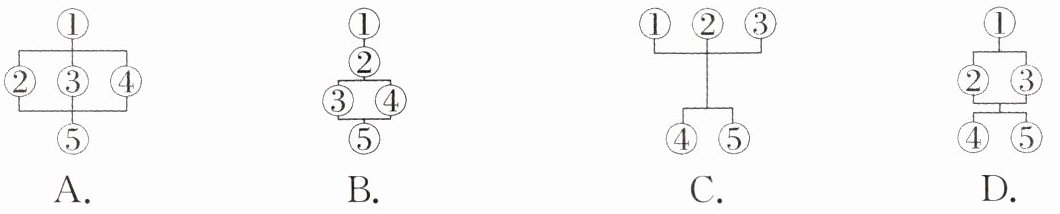
(
A. Different labour skills.
B. The importance of labour.
C. Labour education in schools.
D. Interesting labour skill classes.
①Now, students from primary and middle schools have at least one labour(劳动)skill class every week.
②Labour education(教育)can help people to be happy, active and creative in life. Through such classes, students can learn the true meaning and the value(价值)of labour. They can also learn different life skills.
③Some schools prepared some interesting labour skill classes for students. Some students from Chongqing had a class about catching fish in the river and learned about the geographical knowledge(地理知识)of the river at the same time. In a city called Fengyi, students made tofu with a millstone(磨盘). Of course, they tasted tofu after they made it.
④Some students learn how to look after animals at home. They also learn the biological(生物的)knowledge of the animal. Some students learn how to cook a dish in the labour skill class and then cook at home. They may share videos of their cooking with their classmates. It is to share the taste of the delicious food at the same time. It is to share the happiness of labour too.
⑤Labour education plays a role in students' growth. Schools try to use different ways to help to improve students' life skills so that students will have a bright future with hard-working hands.
(
B
) 11. What can we know from Paragraph ②?A. Labour education is dangerous.
B. Labour education is useful to students.
C. Labour education is meaningless(无意义的).
D. Labour education is difficult.
(
C
) 12. What does the writer think of cooking dishes according to Paragraph ④?A. Busy.
B. Boring.
C. Enjoyable.
D. Useless.
(
B
) 13. Which is the RIGHT structure of the passage?(
C
) 14. What's the passage mainly about?A. Different labour skills.
B. The importance of labour.
C. Labour education in schools.
D. Interesting labour skill classes.
答案
三、11—14.BCBC
