

 登录
登录
四、综合填空 阅读下面短文,在空白处根据所给首字母填入一个单词或括号内单词的正确形式。
Americans enjoy Halloween. Halloween started hundreds of years ago i ______ 1 ______ Britain. People thought that October 31 was the end of fall and the ______ 2 ______ (begin) of winter. At that time, ghosts came back to see us in ______ 3 ______ (we) world.
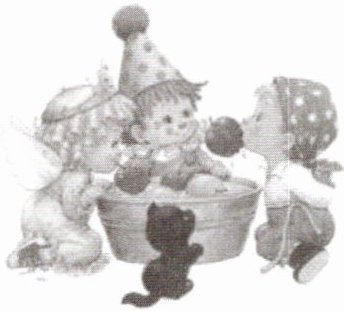
Now Halloween is a time 4 (have) fun. People like playing games at Halloween parties. One of 5 (this) games is apple-bobbing (咬苹果). People put some apples in water 6 (one). Then they try to use their mouths to pick up the apples. They are not allowed (允许) to use hands, s7 it’s very difficult.
The favourite Halloween activity for children 8 (be) “trick or treat”. Children wear scary (可怕的) clothes, and colour their faces white and lips black like ghosts. Then they knock (敲) at neighbours’ (邻居) doors 9 (cry), “trick or treat!” People give them something nice to eat if they don’t want the children to trick them! It’s very interesting and children all have a 10 (wonder) time.
1.
2.
3.
4.
5.
6.
7.
8.
9.
10.
Americans enjoy Halloween. Halloween started hundreds of years ago i ______ 1 ______ Britain. People thought that October 31 was the end of fall and the ______ 2 ______ (begin) of winter. At that time, ghosts came back to see us in ______ 3 ______ (we) world.
Now Halloween is a time 4 (have) fun. People like playing games at Halloween parties. One of 5 (this) games is apple-bobbing (咬苹果). People put some apples in water 6 (one). Then they try to use their mouths to pick up the apples. They are not allowed (允许) to use hands, s7 it’s very difficult.
The favourite Halloween activity for children 8 (be) “trick or treat”. Children wear scary (可怕的) clothes, and colour their faces white and lips black like ghosts. Then they knock (敲) at neighbours’ (邻居) doors 9 (cry), “trick or treat!” People give them something nice to eat if they don’t want the children to trick them! It’s very interesting and children all have a 10 (wonder) time.
1.
2.
3.
4.
5.
6.
7.
8.
9.
10.
答案
1. in 2. beginning 3. our 4. to have 5. these 6. first 7. so 8. is 9. crying 10. wonderful
解析
【分析】
1. 第1空:句意是万圣节起源于几百年前的英国,表达“在某个国家”用介词in,故填in。
2. 第2空:定冠词the后需接名词,begin的名词形式为beginning,构成短语“the beginning of(……的开始)”,故填beginning。
3. 第3空:修饰名词world需用形容词性物主代词,we对应的形容词性物主代词是our,故填our。
4. 第4空:固定搭配“a time to do sth”表示“做某事的时间”,此处用动词不定式to have,故填to have。
5. 第5空:修饰复数名词games,需用one的复数形式these,故填these。
6. 第6空:根据句意“首先,人们把一些苹果放在水里”,用副词first表示“首先”,故填first。
7. 第7空:前后为因果关系,前因后果,用连词so表示“所以”,故填so。
8. 第8空:主语是单数名词activity,时态为一般现在时,be动词用is,故填is。
9. 第9空:此处作伴随状语,主语children与cry是主动关系,用现在分词crying,故填crying。
10. 第10空:修饰名词time需用形容词,wonder的形容词形式为wonderful,构成短语“have a wonderful time(玩得开心)”,故填wonderful。
【解析】
1. 第1空:根据句意“万圣节起源于几百年前的英国”,表示“在某个国家”用介词in,故填in。
2. 第2空:定冠词the后接名词,begin的名词形式为beginning,构成短语“the beginning of”,故填beginning。
3. 第3空:修饰名词world用形容词性物主代词our,故填our。
4. 第4空:固定搭配“a time to do sth”,故填to have。
5. 第5空:修饰复数名词games用these,故填these。
6. 第6空:此处用副词first表示“首先”,符合句意,故填first。
7. 第7空:前后为因果关系,用so连接,故填so。
8. 第8空:主语是单数activity,一般现在时be动词用is,故填is。
9. 第9空:伴随状语用现在分词crying,故填crying。
10. 第10空:修饰名词time用形容词wonderful,故填wonderful。
【答案】
1. in 2. beginning 3. our 4. to have 5. these 6. first 7. so 8. is 9. crying 10. wonderful
【知识点】
介词用法、词性转换、固定搭配
【点评】
本题围绕万圣节主题,考查初中英语基础词汇与语法的综合运用,涉及介词、代词、词性转换、固定搭配等知识点,是典型的基础综合填空题,注重对基础知识的掌握。
【难度系数】
0.6
1. 第1空:句意是万圣节起源于几百年前的英国,表达“在某个国家”用介词in,故填in。
2. 第2空:定冠词the后需接名词,begin的名词形式为beginning,构成短语“the beginning of(……的开始)”,故填beginning。
3. 第3空:修饰名词world需用形容词性物主代词,we对应的形容词性物主代词是our,故填our。
4. 第4空:固定搭配“a time to do sth”表示“做某事的时间”,此处用动词不定式to have,故填to have。
5. 第5空:修饰复数名词games,需用one的复数形式these,故填these。
6. 第6空:根据句意“首先,人们把一些苹果放在水里”,用副词first表示“首先”,故填first。
7. 第7空:前后为因果关系,前因后果,用连词so表示“所以”,故填so。
8. 第8空:主语是单数名词activity,时态为一般现在时,be动词用is,故填is。
9. 第9空:此处作伴随状语,主语children与cry是主动关系,用现在分词crying,故填crying。
10. 第10空:修饰名词time需用形容词,wonder的形容词形式为wonderful,构成短语“have a wonderful time(玩得开心)”,故填wonderful。
【解析】
1. 第1空:根据句意“万圣节起源于几百年前的英国”,表示“在某个国家”用介词in,故填in。
2. 第2空:定冠词the后接名词,begin的名词形式为beginning,构成短语“the beginning of”,故填beginning。
3. 第3空:修饰名词world用形容词性物主代词our,故填our。
4. 第4空:固定搭配“a time to do sth”,故填to have。
5. 第5空:修饰复数名词games用these,故填these。
6. 第6空:此处用副词first表示“首先”,符合句意,故填first。
7. 第7空:前后为因果关系,用so连接,故填so。
8. 第8空:主语是单数activity,一般现在时be动词用is,故填is。
9. 第9空:伴随状语用现在分词crying,故填crying。
10. 第10空:修饰名词time用形容词wonderful,故填wonderful。
【答案】
1. in 2. beginning 3. our 4. to have 5. these 6. first 7. so 8. is 9. crying 10. wonderful
【知识点】
介词用法、词性转换、固定搭配
【点评】
本题围绕万圣节主题,考查初中英语基础词汇与语法的综合运用,涉及介词、代词、词性转换、固定搭配等知识点,是典型的基础综合填空题,注重对基础知识的掌握。
【难度系数】
0.6
五、选词填空 阅读下面短文,从方框中选择适当的单词或短语,填入其正确形式。每个单词或短语仅用一次。

February 6 is National Chopsticks Day. About 25 percent of people in the world (1)
Chopsticks (4)
When using chopsticks, consider some of the etiquette (礼仪) around the utensils.
➢ In Japan, it is rude (粗鲁的) to cross the chopsticks on the table.
➢ (9)
➢ In Korea, it is rude to pick up chopsticks or other utensils before the (10)
February 6 is National Chopsticks Day. About 25 percent of people in the world (1)
choose
chopsticks as the eating utensils (餐具) for every meal. (2) Just as
Western children learn to use knife and fork (刀叉), Asian (亚洲的) children learn to use chopsticks, and they quickly become good at (3) using
them.Chopsticks (4)
have a history of
over 5,000 years. People in China first began to use chopsticks. There are many kinds of chopsticks. They (5) are made of
wood (木头), bamboo, plastic, fine china or metal. Take part in National Chopsticks Day, and use chopsticks for all of your means. You will have chances (机会) to eat Chinese (6) or
other Asian food with chopsticks. And you can eat any food with chopsticks on the day. (7) To make
the day really special, use chopsticks on a homemade Chinese dish. Have fun with chopsticks on the day. Make a game out of (8) picking
up peanuts (花生) or jelly beans with them.When using chopsticks, consider some of the etiquette (礼仪) around the utensils.
➢ In Japan, it is rude (粗鲁的) to cross the chopsticks on the table.
➢ (9)
The Chinese
think it's rude to put chopsticks upright into your food or point at people with them.➢ In Korea, it is rude to pick up chopsticks or other utensils before the (10)
elders
at the table do.答案
1. choose 2. Just as 3. using 4. have a history of 5. are made of 6. or 7. To make 8. picking 9. The Chinese 10. elders
解析
【分析】
本题为选词填空题,需结合上下文语境、语法规则及文化常识完成填空。解题思路:先通读全文把握主旨(介绍国际筷子日及筷子使用礼仪),再逐个分析空格:1. 需填谓语动词,主语people为复数,用一般现在时;2. 需引导对应结构的从句;3. 注意固定搭配后接的词形;4. 结合“历史”的表达短语;5. 注意“由……制成”的短语;6. 连接并列成分的连词;7. 不定式作目的状语;8. 介词后接动名词;9. 对应前文国家的人群;10. 结合韩国礼仪的名词。
【解析】
1. 空格作谓语,主语“25 percent of people”为复数,一般现在时,故填choose;2. Just as引导方式状语从句,与后文“Asian children learn...”结构对应,表“正如”;3. be good at后接动名词,故填using;4. “have a history of”表“有……的历史”,主语chopsticks为复数,用原形;5. “be made of”表“由……制成(可看出原材料)”,主语they指代chopsticks,故填are made of;6. or连接并列食物,表“或者”;7. 不定式To make作目的状语,表“为了让这一天特别”;8. of为介词,后接动名词,pick up是“捡起”,故填picking;9. 对应前文“In Japan”,此处指“中国人”,用The Chinese;10. 结合韩国餐桌礼仪,此处指“长辈”,用elders。
【答案】
1. choose 2. Just as 3. using 4. have a history of 5. are made of 6. or 7. To make 8. picking 9. The Chinese 10. elders
【知识点】
选词填空、固定搭配、非谓语动词
【点评】
本题结合文化常识与基础语法,考查词汇、短语的运用能力,既需理解语境,又要掌握语法规则,是初中阶段常见的基础题型,难度适中。
【难度系数】
0.6
本题为选词填空题,需结合上下文语境、语法规则及文化常识完成填空。解题思路:先通读全文把握主旨(介绍国际筷子日及筷子使用礼仪),再逐个分析空格:1. 需填谓语动词,主语people为复数,用一般现在时;2. 需引导对应结构的从句;3. 注意固定搭配后接的词形;4. 结合“历史”的表达短语;5. 注意“由……制成”的短语;6. 连接并列成分的连词;7. 不定式作目的状语;8. 介词后接动名词;9. 对应前文国家的人群;10. 结合韩国礼仪的名词。
【解析】
1. 空格作谓语,主语“25 percent of people”为复数,一般现在时,故填choose;2. Just as引导方式状语从句,与后文“Asian children learn...”结构对应,表“正如”;3. be good at后接动名词,故填using;4. “have a history of”表“有……的历史”,主语chopsticks为复数,用原形;5. “be made of”表“由……制成(可看出原材料)”,主语they指代chopsticks,故填are made of;6. or连接并列食物,表“或者”;7. 不定式To make作目的状语,表“为了让这一天特别”;8. of为介词,后接动名词,pick up是“捡起”,故填picking;9. 对应前文“In Japan”,此处指“中国人”,用The Chinese;10. 结合韩国餐桌礼仪,此处指“长辈”,用elders。
【答案】
1. choose 2. Just as 3. using 4. have a history of 5. are made of 6. or 7. To make 8. picking 9. The Chinese 10. elders
【知识点】
选词填空、固定搭配、非谓语动词
【点评】
本题结合文化常识与基础语法,考查词汇、短语的运用能力,既需理解语境,又要掌握语法规则,是初中阶段常见的基础题型,难度适中。
【难度系数】
0.6
