

 登录
二、阅读理解

April Fool's Day is a celebration that takes place in different countries around the world. It is on April 1st every year and is a day when many people play tricks(把戏) and jokes on each other.
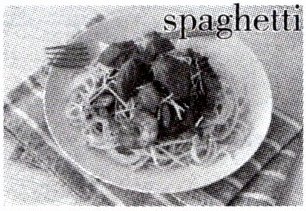
One April Fool's Day, a reporter in England said that there would be no more spaghetti because the farmers in Italy had stopped growing it. Many people ran to supermarkets to buy as much spaghetti as they could. By the time people knew that the story was a trick, all of the spaghetti across the country had been sold out. In another trick a TV show in England reported there was special water. They said this water would help people lose weight(减肥). By the end of the day, more than 10,000 people had called the TV station to find out how to get this water.
Many April Fool's jokes may end up being not very funny. A famous TV star once invited his girlfriend onto his show on April Fool's Day. He asked her to marry(嫁) him. The lady was happy. However, when she said yes, he said, “April Fool!” ▲ The TV star lost his girlfriend and his show was stopped.
One of the world's most famous tricks, however, happened in October, not in April. In that month in 1938, actor Welles said on his radio programme that aliens(外星人) from Mars had landed on the earth. He also said they were moving across the USA. Welles made it sound so real that hundreds of people believed the story, and people across the whole country felt afraid. By the time the police announced that the story was a trick, thousands of people had left their homes.
(
A. By asking questions.
B. By giving examples.
C. By drawing pictures.
D. By giving advice.
(
A. Because people wanted to play the trick.
B. Because people wanted to become thinner.
C. Because the TV show asked people to buy the water.
D. Because people wanted to use the water to make spaghetti.
(
A. That little joke didn't matter.
B. That little joke made him famous.
C. That little joke made everyone laugh.
D. That little joke didn't have a happy ending.
(
A. All the tricks and jokes can make people happy.
B. April Fool's Day has a history of hundreds of years.
C. On April 1st, people can make any joke or play any trick.
D. On April 1st, people should be more careful with tricks.
April Fool's Day is a celebration that takes place in different countries around the world. It is on April 1st every year and is a day when many people play tricks(把戏) and jokes on each other.
One April Fool's Day, a reporter in England said that there would be no more spaghetti because the farmers in Italy had stopped growing it. Many people ran to supermarkets to buy as much spaghetti as they could. By the time people knew that the story was a trick, all of the spaghetti across the country had been sold out. In another trick a TV show in England reported there was special water. They said this water would help people lose weight(减肥). By the end of the day, more than 10,000 people had called the TV station to find out how to get this water.
Many April Fool's jokes may end up being not very funny. A famous TV star once invited his girlfriend onto his show on April Fool's Day. He asked her to marry(嫁) him. The lady was happy. However, when she said yes, he said, “April Fool!” ▲ The TV star lost his girlfriend and his show was stopped.
One of the world's most famous tricks, however, happened in October, not in April. In that month in 1938, actor Welles said on his radio programme that aliens(外星人) from Mars had landed on the earth. He also said they were moving across the USA. Welles made it sound so real that hundreds of people believed the story, and people across the whole country felt afraid. By the time the police announced that the story was a trick, thousands of people had left their homes.
(
B
)1. How does the writer tell stories about the April Fool's Day?A. By asking questions.
B. By giving examples.
C. By drawing pictures.
D. By giving advice.
(
B
)2. According to the passage, why did people want to get the special water?A. Because people wanted to play the trick.
B. Because people wanted to become thinner.
C. Because the TV show asked people to buy the water.
D. Because people wanted to use the water to make spaghetti.
(
D
)3. Which sentence is the most suitable to go to “▲”?A. That little joke didn't matter.
B. That little joke made him famous.
C. That little joke made everyone laugh.
D. That little joke didn't have a happy ending.
(
D
)4. What can we infer(推断) from the passage?A. All the tricks and jokes can make people happy.
B. April Fool's Day has a history of hundreds of years.
C. On April 1st, people can make any joke or play any trick.
D. On April 1st, people should be more careful with tricks.
答案
1. B 2. B 3. D 4. D
解析
翻译:
### 二、阅读理解
愚人节是一个在世界上不同国家都有庆祝活动的节日。它在每年的4月1日,在这一天很多人会互相捉弄、开开玩笑。
有一年愚人节,英国的一名记者称再也不会有意大利面了,因为意大利的农民已经停止种植它了。很多人跑到超市去尽可能多地购买意大利面。当人们知道这个消息是个恶作剧的时候,全国所有的意大利面都已经被卖光了。在另一个恶作剧中,英国的一个电视节目报道说有一种特殊的水。他们说这种水会帮助人们减肥。到当天结束的时候,已经有超过10000人给电视台打电话,想了解如何获得这种水。
很多愚人节的玩笑最终可能并不是很有趣。一位著名的电视明星曾在愚人节那天邀请他的女朋友上他的节目。他向她求婚。这位女士很高兴。然而,当她答应后,他说:“愚人节快乐!” ▲ 这位电视明星失去了他的女朋友,他的节目也被停播了。
然而,世界上最著名的恶作剧之一发生在10月,而不是4月。1938年的那个月,演员威尔斯在他的广播节目中说火星上的外星人已经登陆地球。他还说他们正在穿越美国。威尔斯把这件事说得如此真实,以至于数百人相信了这个故事,全国上下的人们都感到害怕。当警察宣布这个故事是个恶作剧的时候,成千上万的人已经离开了他们的家。
1. 作者是如何讲述关于愚人节的故事的?
A. 通过提问。
B. 通过举例子。
C. 通过画画。
D. 通过提建议。
2. 根据文章,人们为什么想要得到那种特殊的水?
A. 因为人们想要捉弄别人。
B. 因为人们想要变瘦。
C. 因为电视节目要求人们购买这种水。
D. 因为人们想要用这种水来做意大利面。
3. 哪句话最适合填到“▲”处?
A. 那个小玩笑无关紧要。
B. 那个小玩笑让他出名了。
C. 那个小玩笑让每个人都笑了。
D. 那个小玩笑没有一个快乐的结局。
4. 我们能从文章中推断出什么?
A. 所有的恶作剧和玩笑都能让人开心。
B. 愚人节有几百年的历史了。
C. 在4月1日,人们可以开任何玩笑、搞任何恶作剧。
D. 在4月1日,人们应该对恶作剧更加小心。
