

 登录
登录
一、根据中文提示,填写单词的正确形式
1. The man with
2. The
3. Don't drink too much
4. Lisa and Tina usually have
5. What is your
1. The man with
grey
(灰色的) hair is my grandfather.2. The
fog
(雾) is so thick that we can hardly see each other.3. Don't drink too much
coffee
(咖啡). It's not good for you.4. Lisa and Tina usually have
salad
(沙拉) for breakfast.5. What is your
mobile
(可移动的) phone number, Lucy?答案
1. grey 2. fog 3. coffee 4. salad 5. mobile
二、用括号内所给单词的适当形式填空
1. —Thank you for
—You're welcome, Tom.
2. My mother often buys some
3. Mr Black has his own
4. It's
5. We students must know the school rules
1. —Thank you for
helping
(help) me so much, Anne.—You're welcome, Tom.
2. My mother often buys some
onions
(onion) from the shop.3. Mr Black has his own
thought
(think) about the problem.4. It's
tiring
(tired) to climb from the foot of Mount Huangshan to the top.5. We students must know the school rules
well
(good).答案
1. helping 2. onions 3. thought 4. tiring 5. well
三、阅读理解
①How much do you know about dandelions? Do you know you can eat them? People in other countries eat them for a lot of years. You need to clean the flowers well before you cook them.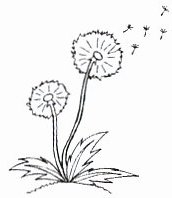
②Seaweed(海藻) is also very popular with people. You can find it in many of your foods every day. Your hamburger may have some seaweeds. Your ice cream may have, too. But you don't know this at all.
③People sometimes don't know some things they can eat in their food. But don't feel strange(奇怪的). People around the world eat different kinds of foods. You don't know all of their names or appearances(外观).
④What's more, you may be surprised at some people. Because they eat raw seafood(生海鲜) or eat with their hands. All the people in the world are different, and their diet culture is different, too.
⑤At lunch today, look around. What "strange food" do you see? Remember that your favourite dishes may be "strange food" to others.
(
A. The seaweed.
B. The seafood.
C. The hamburger.
D. The ice cream.
(
A. People around the world eat the same kind of food.
B. The hamburgers may have some seaweeds.
C. People need to clean the dandelion flowers well after they cook them.
D. People know well about the food they eat.
(
A. To ask people to learn how to eat dandelions.
B. To help people know more about raw seafood.
C. To tell people in different countries have different diets.
D. To ask people to try more kinds of foods.
(
A. ①—②③④—⑤
B. ①②—③—④⑤
C. ①②—③④—⑤
D. ①②③—④—⑤
(
A. In a diary.
B. In a food guidebook.
C. In a storybook.
D. In a travel guide.
①How much do you know about dandelions? Do you know you can eat them? People in other countries eat them for a lot of years. You need to clean the flowers well before you cook them.
②Seaweed(海藻) is also very popular with people. You can find it in many of your foods every day. Your hamburger may have some seaweeds. Your ice cream may have, too. But you don't know this at all.
③People sometimes don't know some things they can eat in their food. But don't feel strange(奇怪的). People around the world eat different kinds of foods. You don't know all of their names or appearances(外观).
④What's more, you may be surprised at some people. Because they eat raw seafood(生海鲜) or eat with their hands. All the people in the world are different, and their diet culture is different, too.
⑤At lunch today, look around. What "strange food" do you see? Remember that your favourite dishes may be "strange food" to others.
(
A
)1. What does the underlined word "it" refer to in the passage?A. The seaweed.
B. The seafood.
C. The hamburger.
D. The ice cream.
(
B
)2. What can we know from the passage?A. People around the world eat the same kind of food.
B. The hamburgers may have some seaweeds.
C. People need to clean the dandelion flowers well after they cook them.
D. People know well about the food they eat.
(
C
)3. Which is the purpose(目的) of the passage?A. To ask people to learn how to eat dandelions.
B. To help people know more about raw seafood.
C. To tell people in different countries have different diets.
D. To ask people to try more kinds of foods.
(
C
)4. Which of the following is the structure(结构) of the passage?A. ①—②③④—⑤
B. ①②—③—④⑤
C. ①②—③④—⑤
D. ①②③—④—⑤
(
B
)5. Where can we read the passage?A. In a diary.
B. In a food guidebook.
C. In a storybook.
D. In a travel guide.
答案
1-5. ABCCB
